
A social story for getting a haircut, with the reason for every line
Eight pages, one step each, ending at all done, because a child who can see the end can sit through the middle. There is a space for a photo of your own hairdresser. The note beside each line says which advice it rests on.
11 pages: a cover for their photo and name, the story, a page for you, and picture cards to cut out. No sign-up.
1Soon I am going to have my hair cut. The person who cuts my hair is called .
Why the nameThe NHS Wales occupational therapy leaflet suggests visiting a new salon first and asking to meet the hairdresser. A name and a face turn a stranger touching their head into someone they have met.
2I sit in a big chair, or on my grown-up’s lap. A cape goes round me to keep the hair off.
Make this trueThe leaflet suggests letting a child sit on your lap if the hairdresser does not mind, and bringing a familiar towel from home, held with a peg, if the salon’s cape is a problem. Ask before you promise the lap.
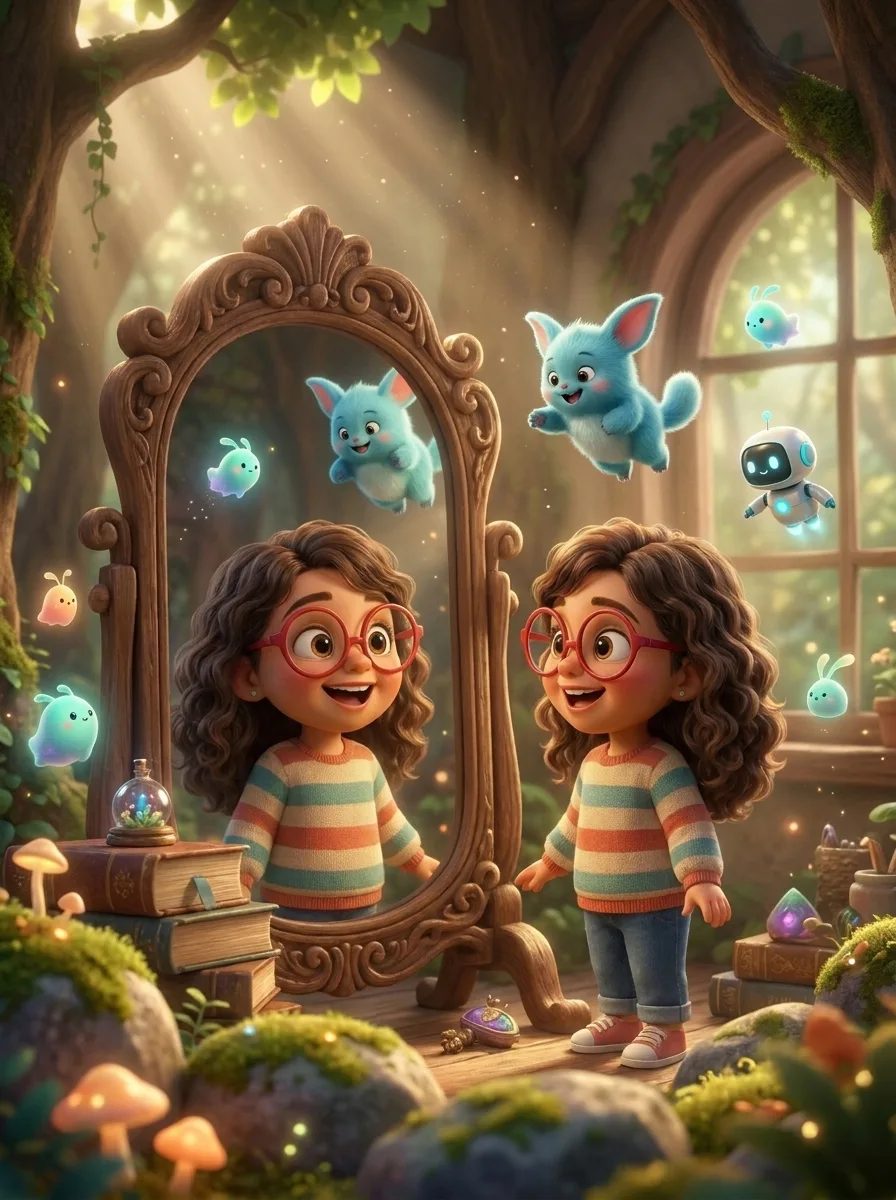
3There is a big mirror. I can watch what is happening.
Why the mirrorThe leaflet’s point that most people miss: the haircut happens behind the child, so they cannot see what is going on. The mirror is how they get to see it.
4The hairdresser might spray my hair with water. It feels cold.
Why say it is coldIf tipping the head back to wash it is too much, the leaflet suggests a water spray instead. Say that it is cold. A child told it feels like nothing has a reason not to trust the next line.
5The scissors go snip, snip. The clippers might buzz. I can wear my headphones.
Why the headphonesThe leaflet: if the noise of scissors or clippers is distressing, try quieter clippers, silicone earplugs, or headphones with their favourite music. Ask the hairdresser to show your child the tools before they start.
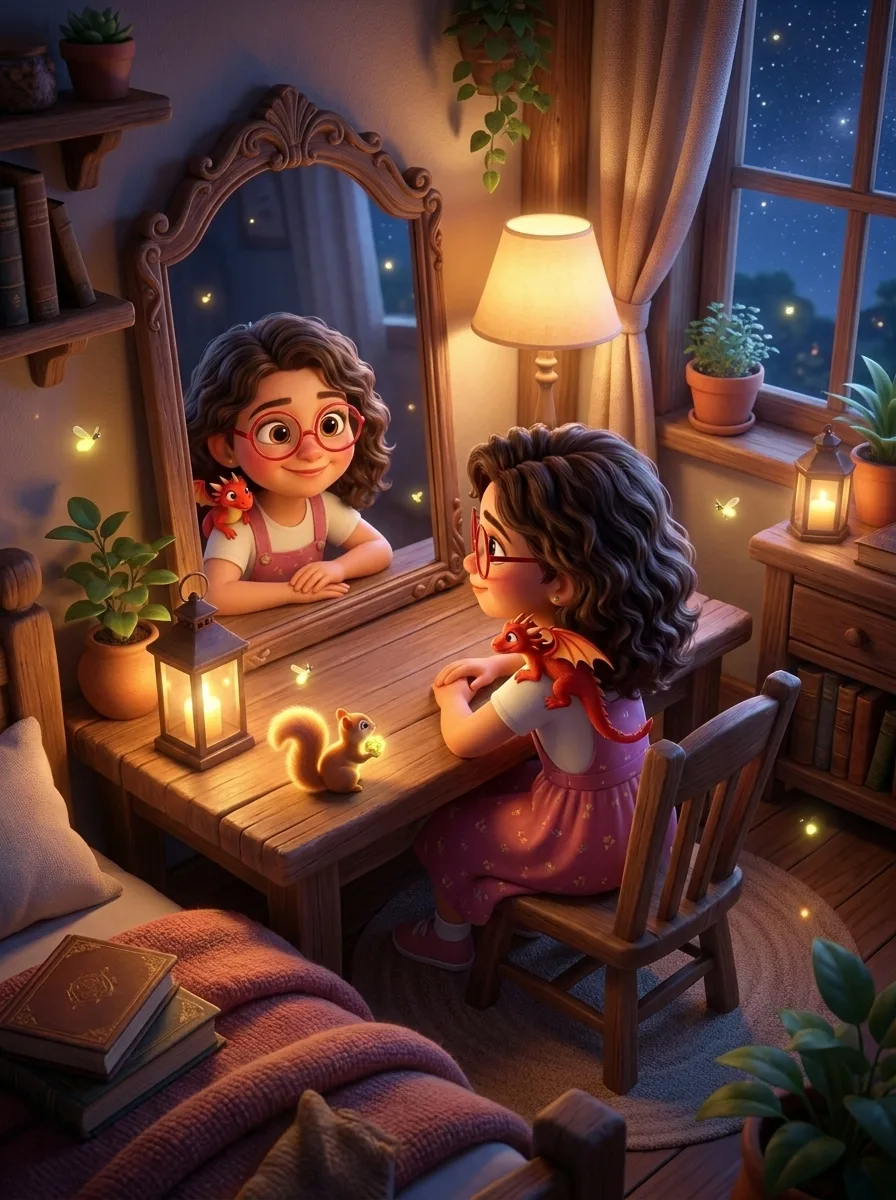
6I can hold my while my hair is cut.
Why fill this inThe leaflet suggests bringing a favourite hand-held toy to the chair to keep a child occupied. Decide which one at home, together, and write it in.

7Then the cape comes off. It is all done. I look at my new hair.
Why “all done”The leaflet suggests pictures of the steps in the chair, ending with cape off and all done, so a child knows there is an end. This is that end.

8After my haircut, I change into a clean top. Then we go to .
Why a clean topThe tiny bits of cut hair in clothes can feel really uncomfortable. The leaflet suggests a top that comes off easily, like a zip-up, and packing a clean one.
When to read it
A few days before, as a story, and again on the way there. If the salon is new, visit first and add a photo of the person who will cut their hair.
One sentence for you, on the day
“First the cape, then the spray, then snip snip, then all done.”
The whole plan behind this story, with what to do on the day: Preparing a child for a haircut they are dreading
Sources
The advice here is the same as in our haircut guide, whose source, an NHS Wales children’s occupational therapy leaflet, was read on 29 October 2026. It is general advice, not a therapy plan.
The pictures come from New Glasses, New World, one of our picture books. In the book, the child in them is yours.
Last updated: