Will it actually look like my child?
The only honest way to answer that is to show it - on the cases that usually go wrong, not the ones that always go right.
Three images per case: the reference portrait we started from, the illustrated character the engine derives from it, and that same child placed in a story scene. What to look for is in the caption each time - the specific things that had to survive. Every image is the first output of a single pass. Nothing here was generated over and over and then picked from.
Deep brown skin, tightly coiled hair
age 5This is the case we got wrong ourselves. Until late July our cover prompt carried no likeness clause, and a boy with deep brown skin and close-cropped hair came back lighter-skinned with wavy hair - while his interior pages were correct. It is now the first case we check.
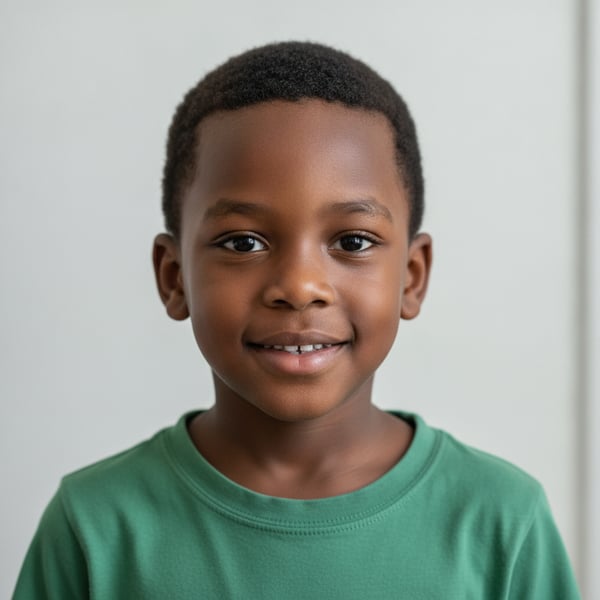
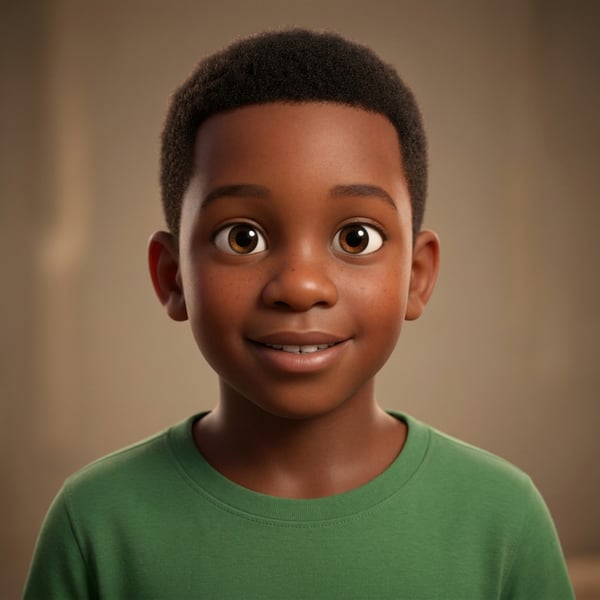
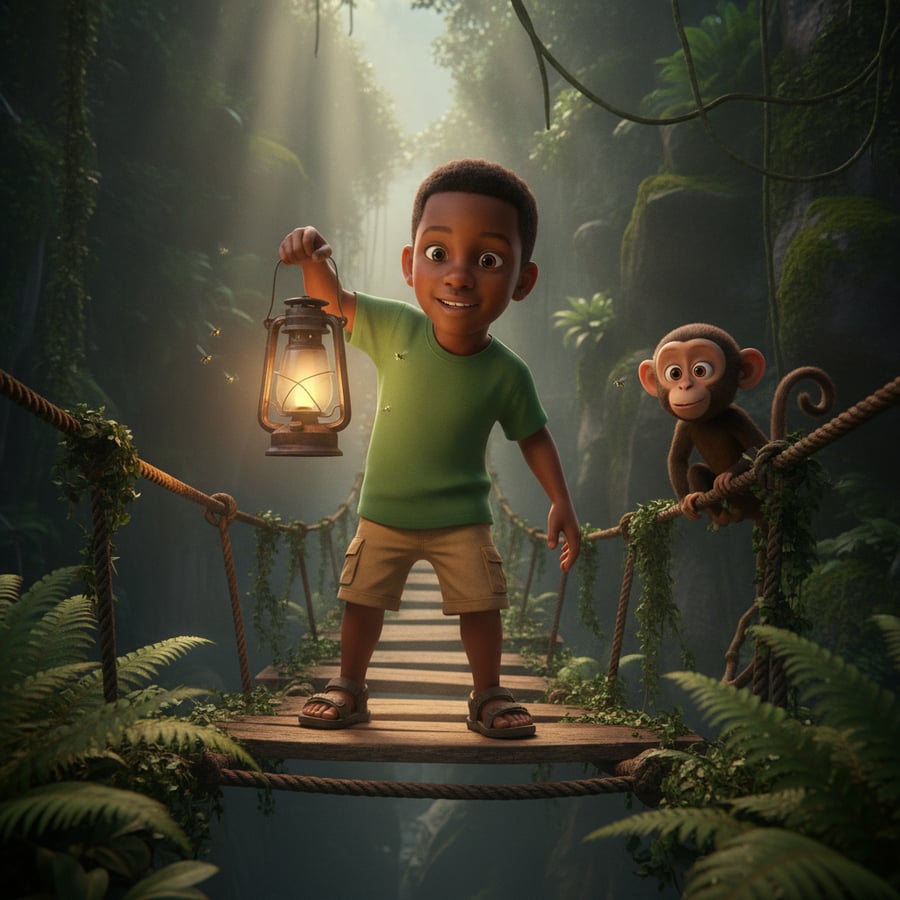
What had to survive: Skin tone unchanged, hair still short and tightly coiled, the gap in his front teeth still there.
Fine, fair, barely-there hair
age 1The hardest case there is, because a near-bald baby is what image generators most want to "correct". A parent reviewing a rival product described exactly that: their one-year-old came back with long thick black hair, when she barely has any and it is blonde.
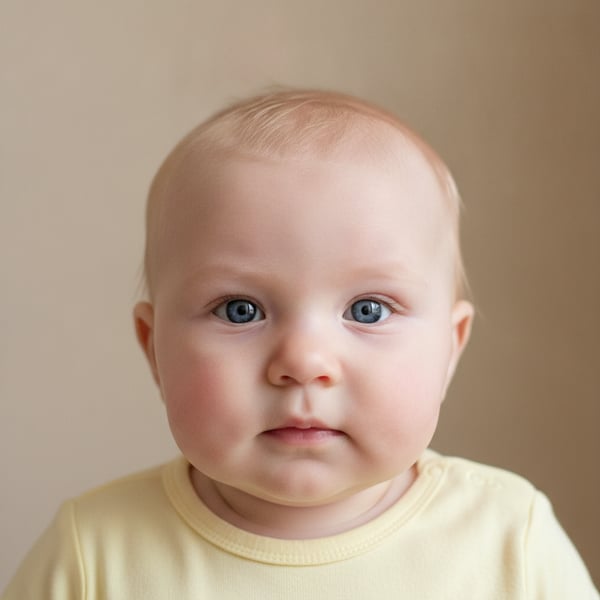
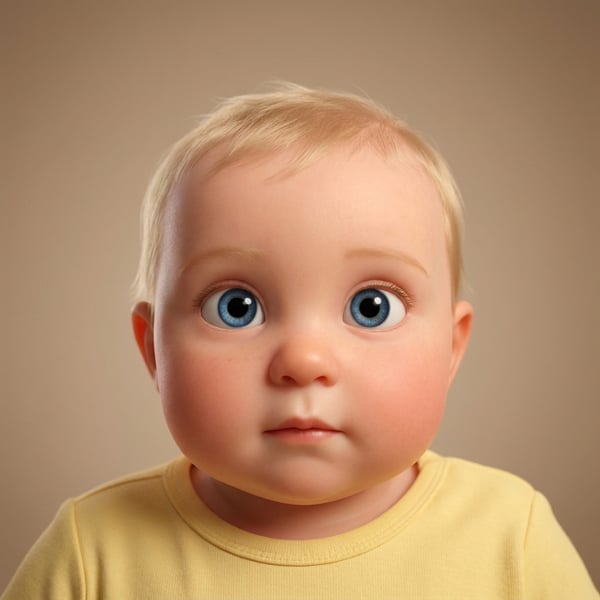
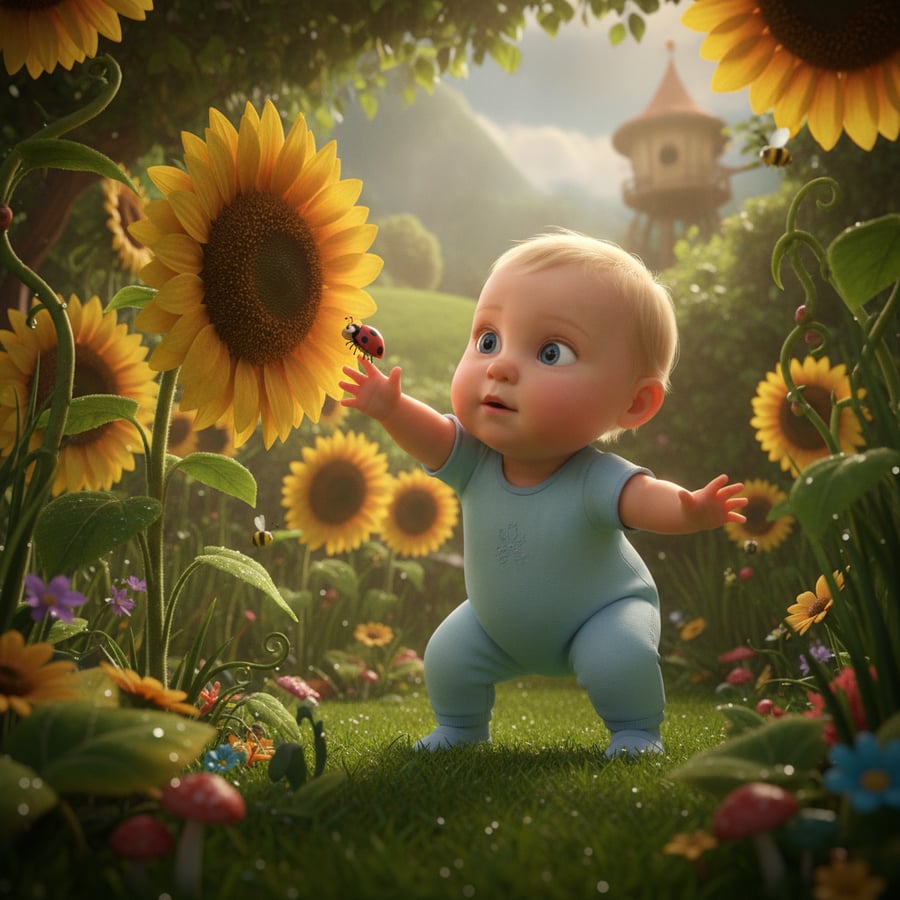
What had to survive: Still almost bald, hair still fine and fair, eyes still blue.
Straight black hair with a fringe
age 7A fringe is a specific shape, and it is the sort of detail that gets averaged away. This case also tests the collapse a reviewer described when two sisters who look nothing alike came back as "the same girl with very subtle differences".
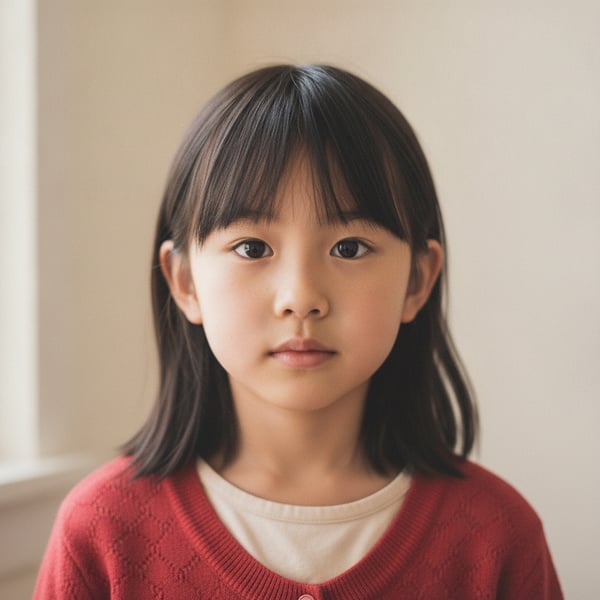
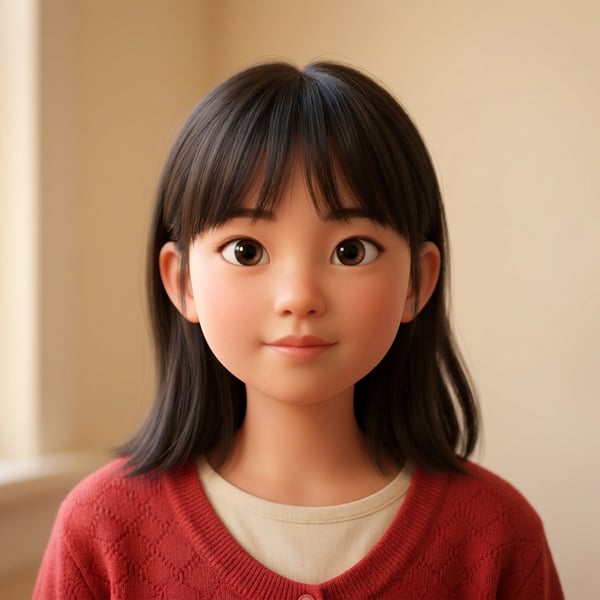
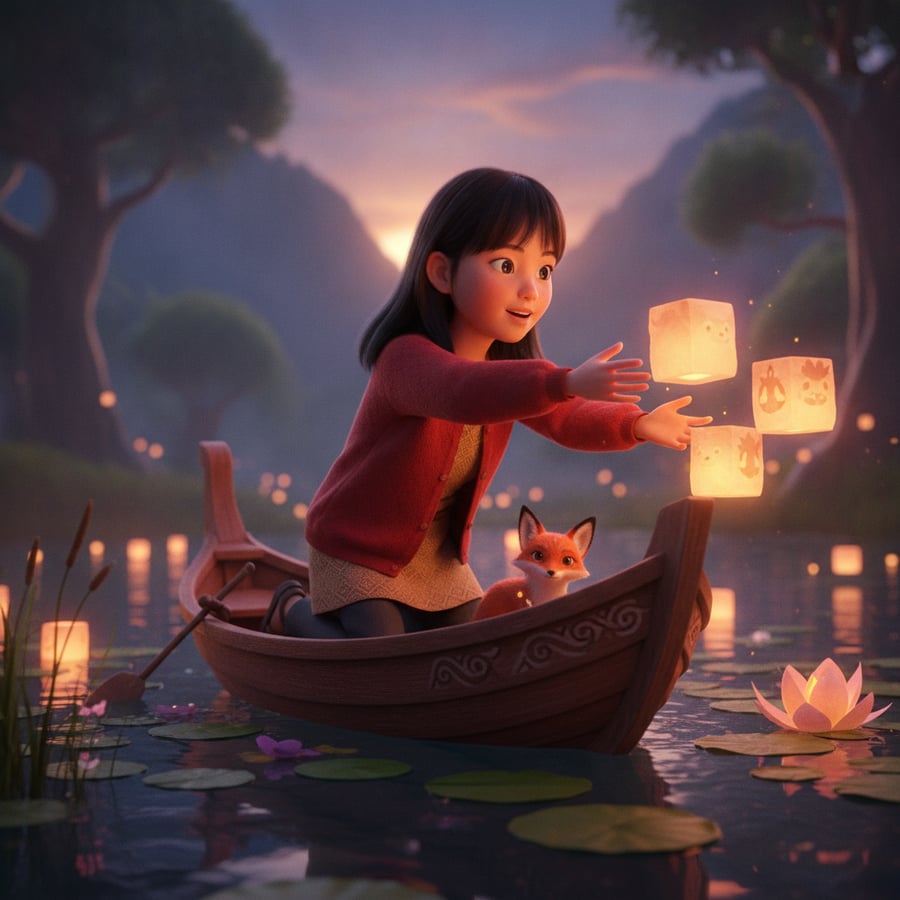
What had to survive: The fringe still sits above the eyebrows, hair still straight and black, not waved.
Curly ginger hair and freckles
age 4Freckles and red hair are the first things smoothed into something more average. If they are still there twelve chapters later, the identity lock is doing its job.
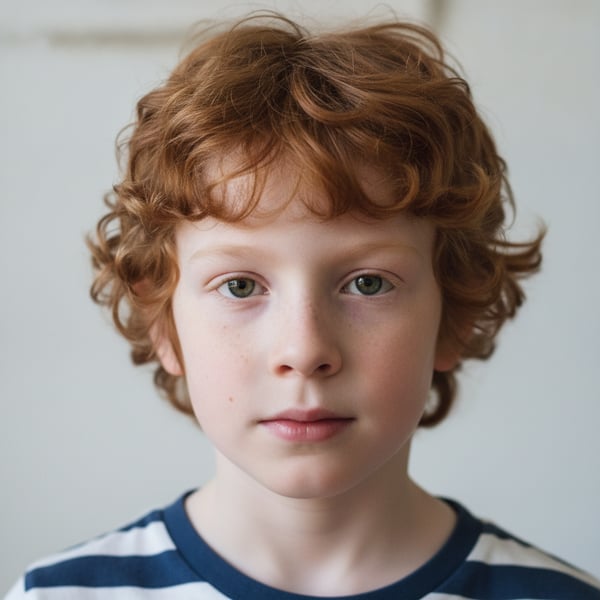
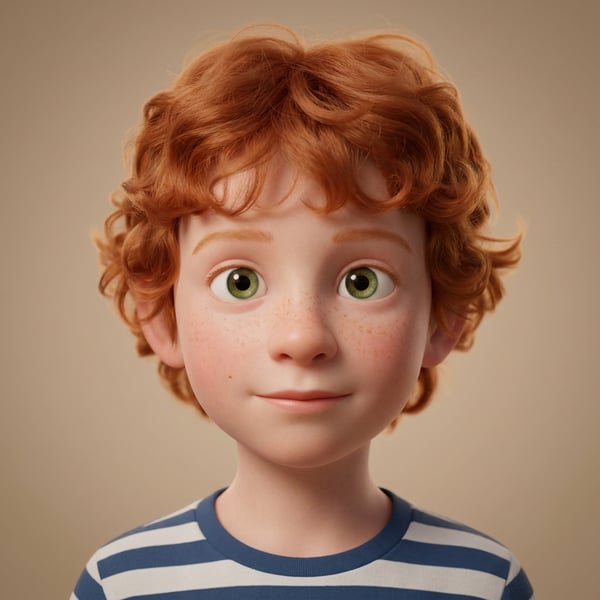
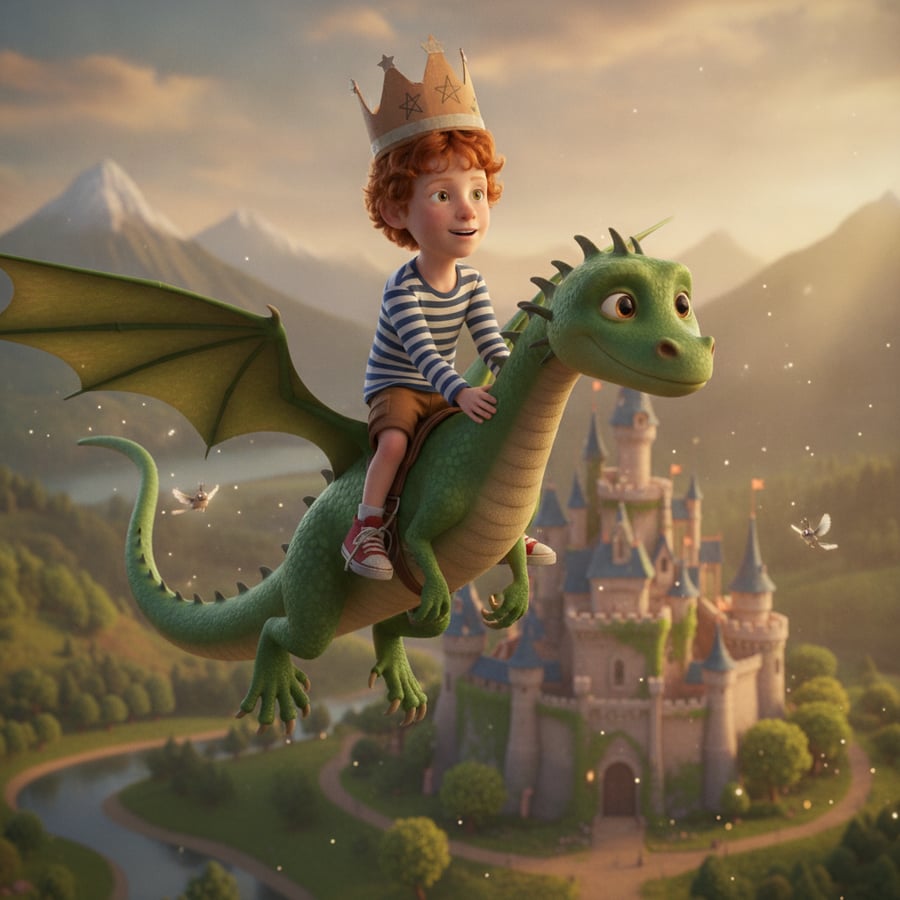
What had to survive: Freckles still on the cheeks, hair still ginger and curly, eyes still green.
How the likeness is held across twelve chapters
The photo is used once, to draw a single reference character. Every later illustration - the cover and all twelve chapter pictures - is generated from that character, not from the photo again. That is the reason the child does not drift page to page, and it is also why the photo itself is deleted as soon as the character exists.
It is also why each book stars one child. A single face can be held steady; two faces start to blend into each other, which is the failure behind a reviewer’s complaint that two sisters who look nothing alike came back as “the same girl with very subtle differences”. Siblings get a book each.
Common questions
Will the book actually look like my child?
That is what this page exists to let you judge before you spend anything. The illustration keeps skin tone, hair colour, hair texture, eye colour and face shape from the photo you upload, and holds them across all twelve chapters. You see the cover and first chapter free, so you can decide on the likeness before paying.
What makes a good photo to upload?
One clear photo of the face, looking towards the camera, in daylight, with nobody else in frame. A phone photo is ideal. Avoid sunglasses, hats that hide the hairline, heavy shadow, and screenshots of a screen - a screenshot loses the detail the illustration is built from.
Does it work for every skin tone and hair type?
That is exactly what the cases on this page test, and they were chosen because they are the ones image generators most often get wrong - deep brown skin with tightly coiled hair, a baby with almost no hair, a fringe, freckles. We publish the hard cases rather than the easy ones.
Are these real children?
No, and deliberately. The reference portraits are generated, not photographs of real children, so that no real child’s face is published on a page about how we handle children’s photos. Everything after the reference is our normal production pipeline, unchanged.
What if the likeness is not right when I see my book?
Tell us before you approve it and we will regenerate it - as many times as it takes, and nothing is printed until you say yes. Because each book is made for one named child we fix rather than refund, and we do not put a limit on fixing.
Why does each book star only one child?
Because a single face is what keeps the likeness true. Ask the illustration to hold two children and it starts blending them, which is the failure behind "the same girl with very subtle differences". Siblings and twins get a book each.
Last updated:
Judge it on your own child’s photo - the first chapter is free.
Browse the collection