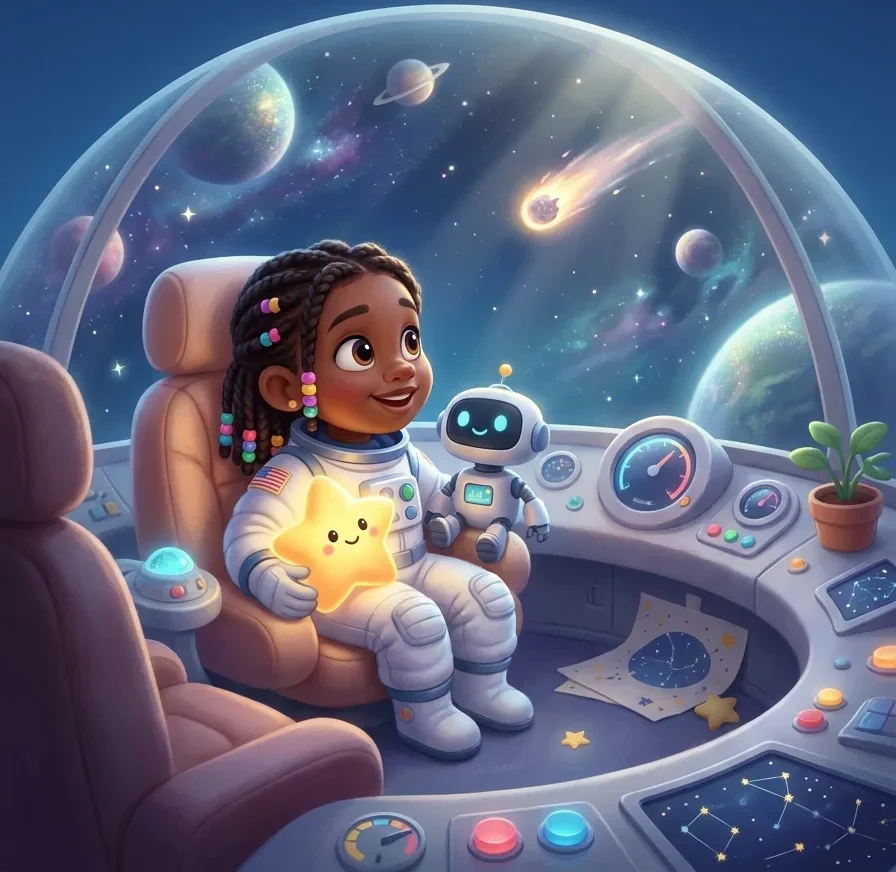
Your child blasts off on a journey across the stars.
Ages 4-8
From $14.90
Why a search for a book that matches your child returns books about identity instead, what actually has to match on the page, and how to see it before you pay.
Search for a personalised book that looks like your child and you will mostly be shown books about looking different - picture books on skin colour, library lists on identity, all of them good and none of them what was asked. The question underneath is usually much plainer than the results assume. A parent wants a story where their child is the astronaut, and where the astronaut has their hair. This page is about the difference, and about the two or three things that decide whether you get it.
The first kind is a book about being who you are - about skin, hair, heritage, belonging. These are worth having and a lot of them are excellent, and they are what a search engine reaches for the moment a query mentions skin tone at all.
The second kind is a story that is not about any of that. The child is a knight or a marine biologist or lost in a jungle, and they happen to be drawn as themselves while it happens. Most people searching want the second and are handed the first, which is why the search feels like it is answering somebody else.
Most personalised books build the child from a set of options: a row of skin tones, a handful of hairstyles, maybe glasses. That works when a child sits inside one of the boxes and stops working the moment they do not - which is routine for mixed-heritage children, for coiled hair that is not the one coiled-hair icon on offer, and for anything the designer did not think to draw.
The result is not offensive, it is just somebody else. A child can tell within about two seconds whether the picture is them, and no amount of their name printed underneath changes the answer.
In practice it is a short list, and it is not the one you would guess. Skin tone has to be the child’s rather than the nearest swatch. Hair has to keep its texture and its shape, not just its colour - coils, braids and a fringe are the three that go wrong most often. And the thing the child would name first if you asked them - glasses, a hearing aid, a birthmark, freckles - has to still be there twelve chapters later.
We publish how ours does against exactly those cases rather than asserting it: eight hard ones, the criteria written down before anything was generated, each run twice, wins and losses both shown.
Where the likeness comes from a photo rather than a menu, the photo is the whole input, and a clear forward-facing one in ordinary daylight is worth more than any other choice you make. A dim, angled or heavily filtered picture produces a child who is nearly right, which is the worst outcome available.
It is also the one variable you control completely, and it costs nothing to redo. If the first attempt is not them, it is almost always the photograph rather than the book.
A child does not need every book to be about their identity, and a steady diet of books explaining them to themselves is its own kind of narrow. Sometimes the point is simply that the hero of the dinosaur story has their face, and nothing in the story remarks on it.
That is a quieter thing than representation is usually sold as, and it is generally what the person searching actually wanted.
Look at the cover and the first chapter before any money changes hands - if a service will not show you the child before checkout, that is the thing to notice. Ours is free to preview and nothing prints until it is approved, which exists for precisely this question.
And look at the whole book rather than the cover. A likeness that holds on page one and drifts by chapter nine is the common failure, and it is only visible across the spread.
Your child blasts off on a journey across the stars.
Ages 4-8
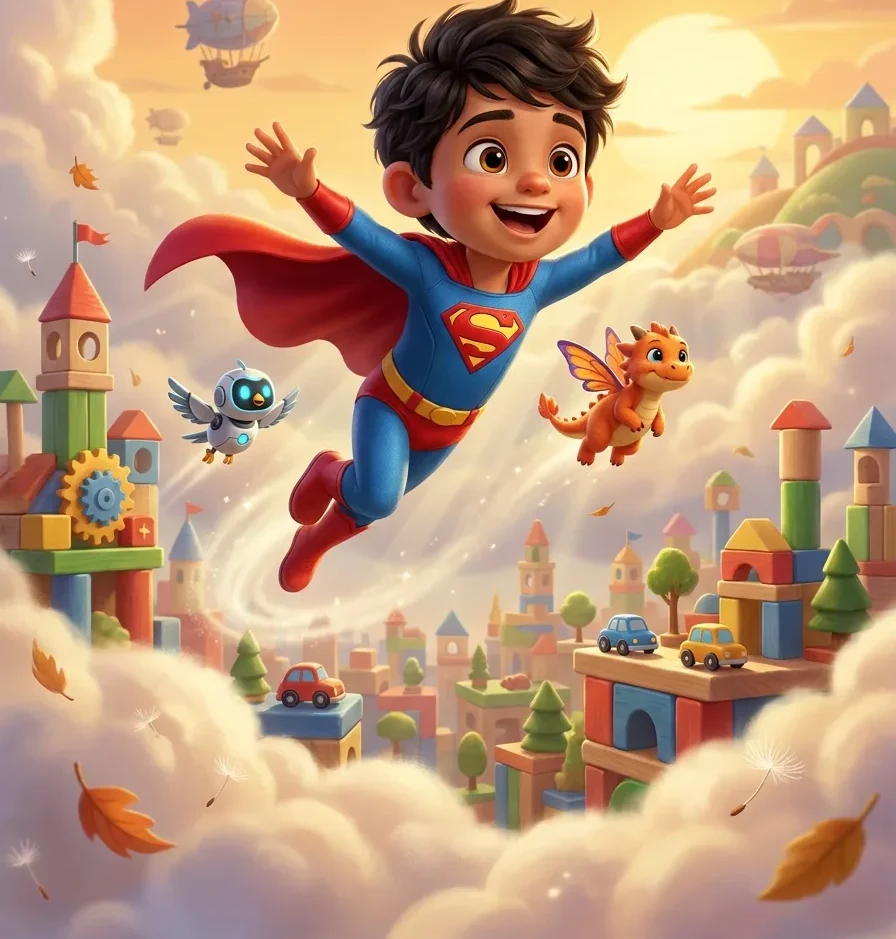
Your child discovers an extraordinary power - and an even bigger heart.
Ages 4-8
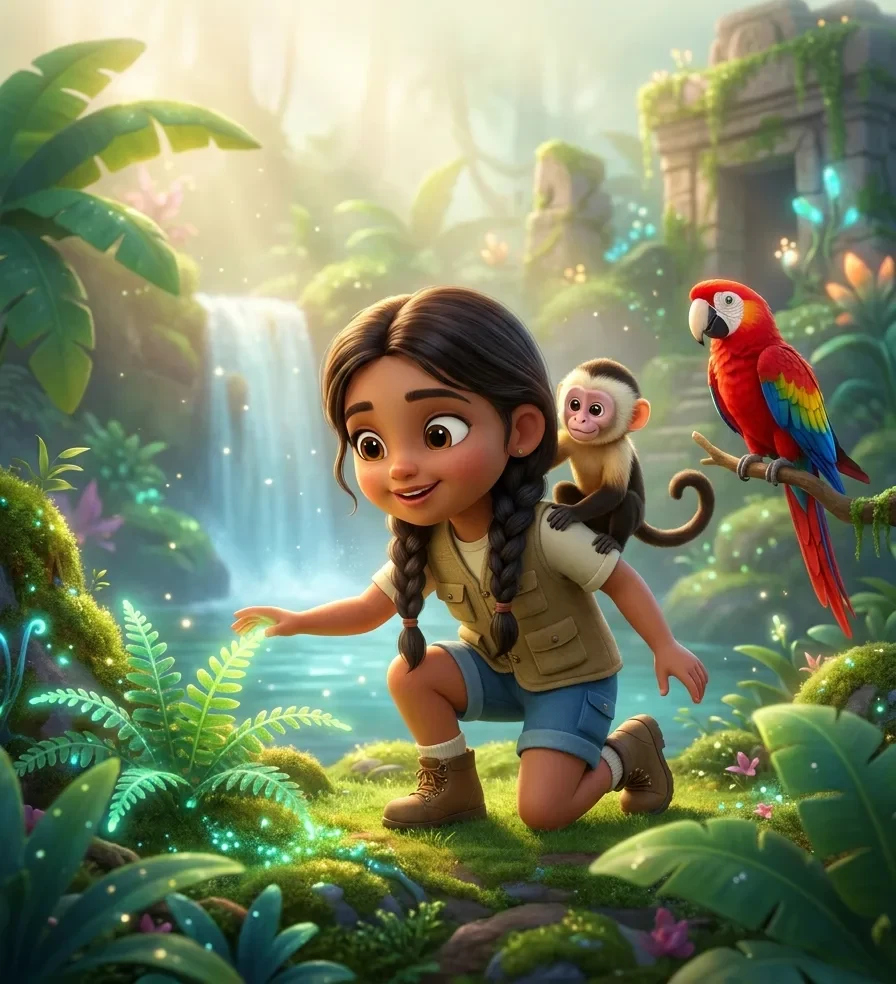
Your child ventures deep into a wild, whispering jungle.
Ages 2-6
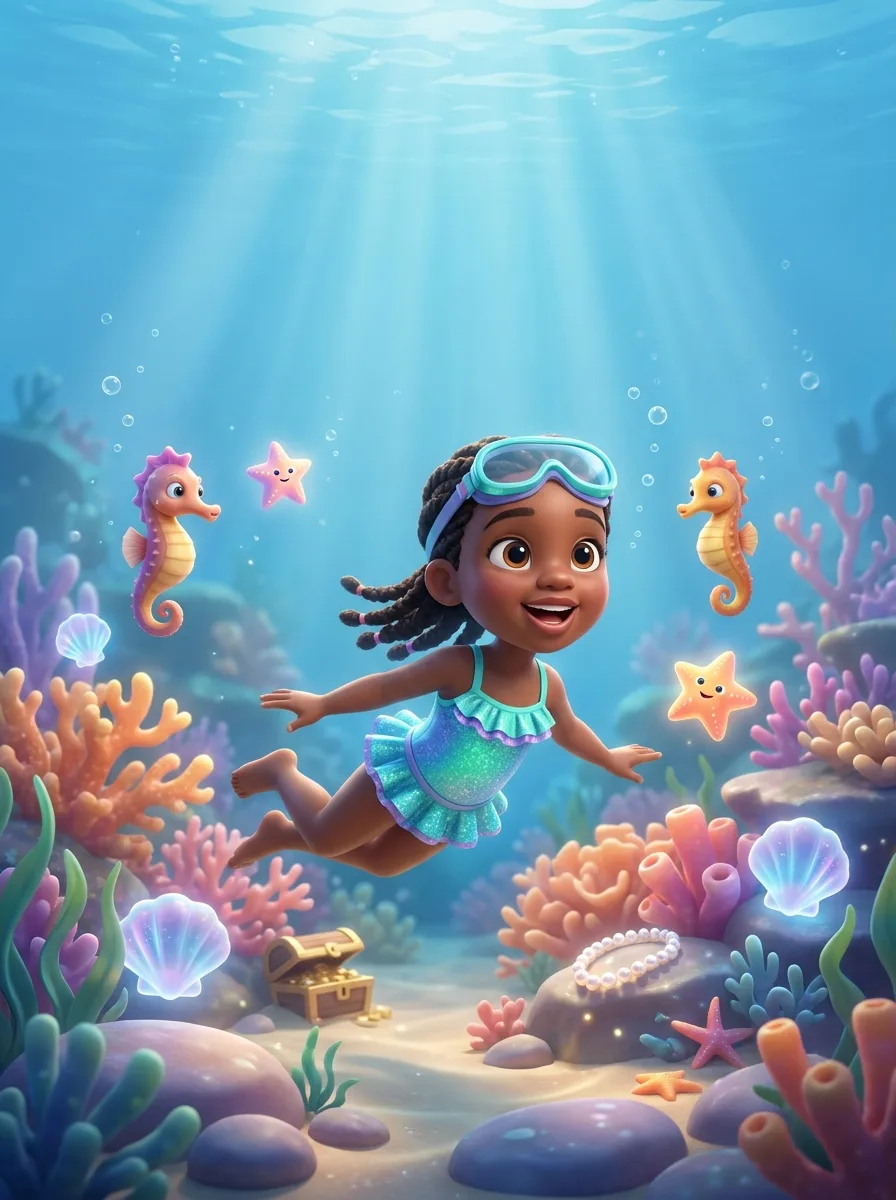
Deep below the waves, your child discovers a shimmering tail and a voice that can calm the whole ocean.
Ages 2-6
Yes, because there are no options to match. The character is drawn from the photograph rather than assembled from a palette, so the starting point is your child rather than the nearest available swatch. You can see the result before paying, which is the only answer to this question that is worth anything.
Hair texture is one of the cases we test explicitly and publish, including coiled hair and braids, because it is one of the two or three things that most often gets quietly smoothed away. Our likeness page shows those runs, the ones that held and the ones that did not.
They are part of the likeness, not an accessory to be dropped once the story gets busy - and holding them across twelve chapters is harder than getting them right once on a cover. They are in the published test cases for that reason.
No. It is an ordinary adventure in which your child is the hero and looks like your child. If what you want is a book that talks about heritage directly, a library list or a bookshop will serve you better than we will, and that is a real recommendation rather than a polite one.
Then do not buy it. The preview exists so that this is a decision you make before paying rather than a disappointment you discover afterwards. In most cases a clearer, forward-facing photograph fixes it, and trying again costs nothing.
Last updated:
Start with the photograph, look at the whole preview rather than the cover, and only pay if the child on the page is recognisably yours.
Browse the collection