A social story for a day operation, with the reason for every line
Grommets, tonsils, a tooth under anaesthetic, a scan that needs them still. The story is the five sentences from our day operation plan, with blanks for your day and your hospital’s words. It has no eating, drinking or arrival times in it on purpose.
10 pages: a cover for their photo and name, the story, a page for you, and picture cards to cut out. No sign-up.
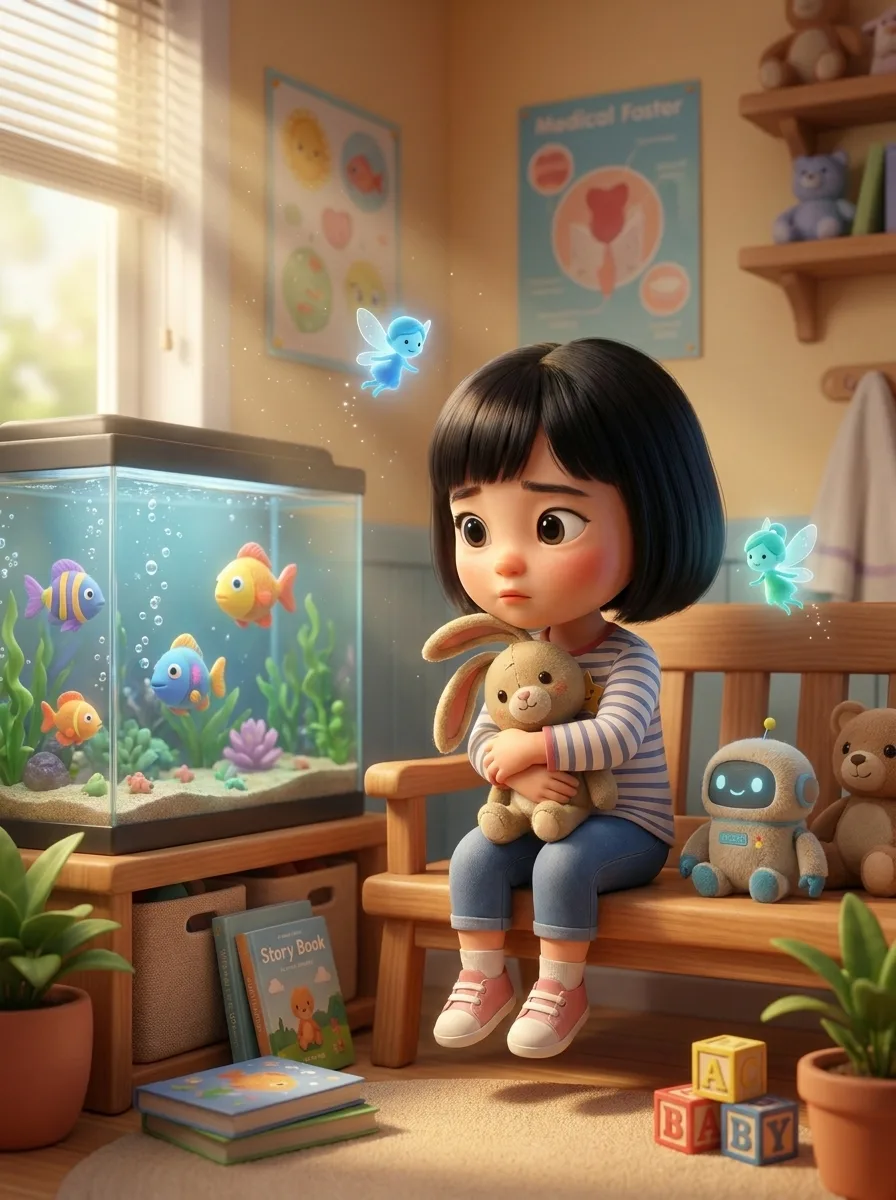
1On I am going to the hospital, so the doctors can fix my .
Why the blanksName the day and the part. Vagueness is what a child fills in, and what they fill in is worse.
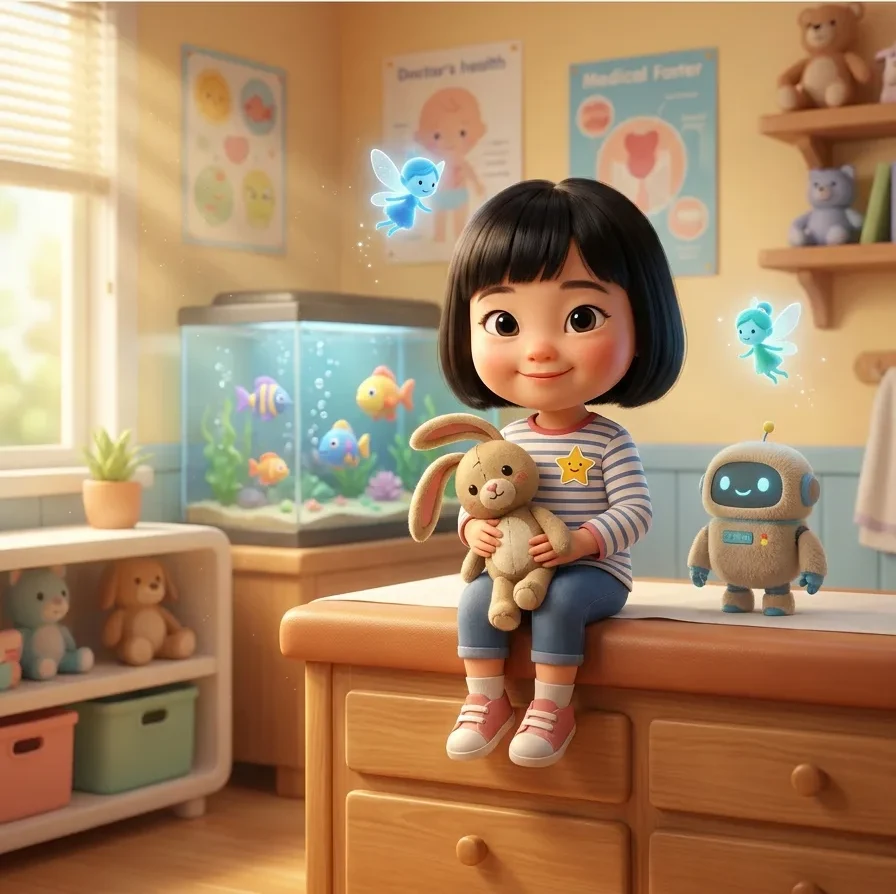
2The doctors will give me a special sleep, so I do not feel anything while they do it.
Why “special sleep”Not “you will go to sleep” on its own, which gets tangled with bedtime and with pets that were put to sleep. If your hospital uses another word, write theirs in.
3I might breathe through a soft mask. I can practise: hand over my nose and mouth, breathe out slowly and count to five.
The one thing to practiseWhere an anaesthetic starts with gas, the mask is the moment children describe afterwards. Thirty seconds, twice, on two days. Some start with an injection instead: ask which is planned and change this page.
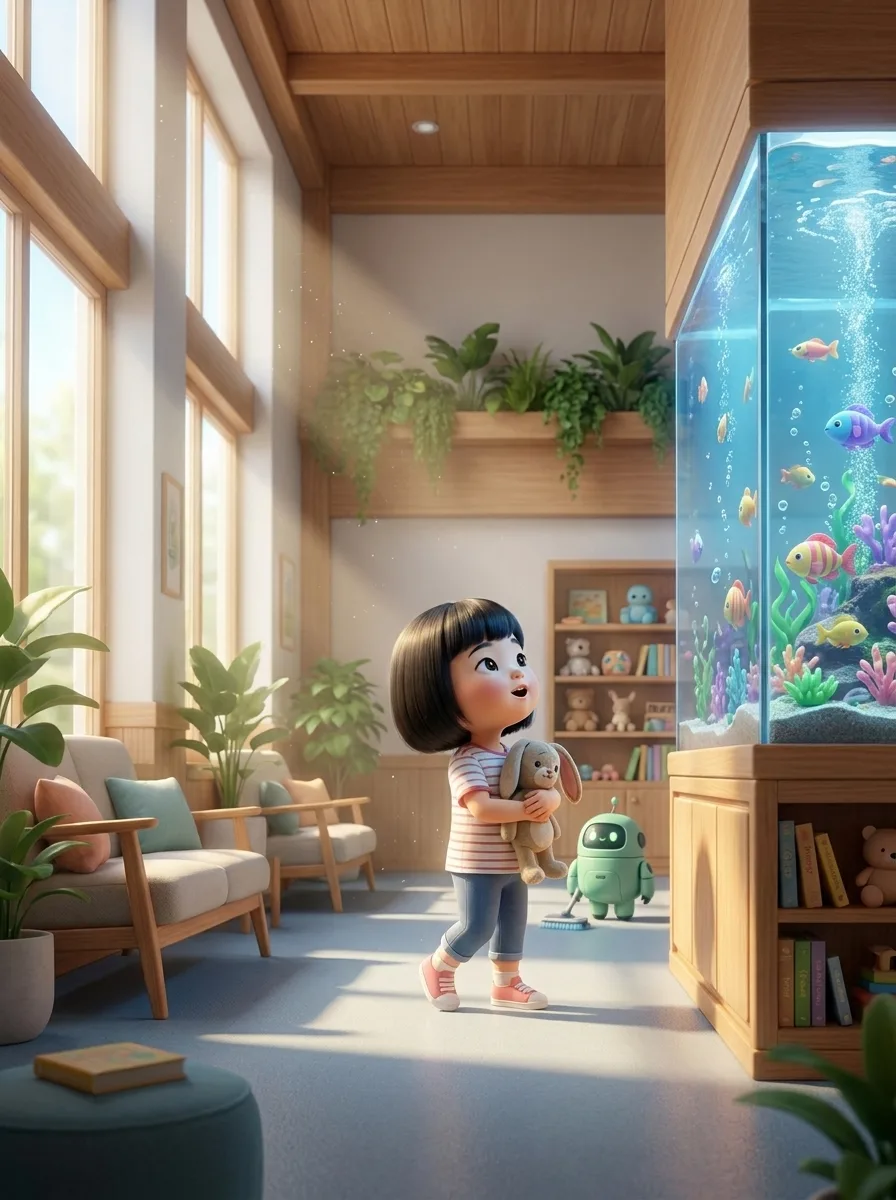
4My grown-up will be there when I fall asleep, and when I wake up.
Check before you say itAsk the ward whether a parent comes into the anaesthetic room and who collects them in recovery. A promise you have checked is worth ten reassurances you have not.

5Afterwards something might be sore. The nurses have medicine for that.
Why not “it won’t hurt”They will not feel the operation. Something might be sore after, and the nurses have medicine for exactly that. All of it is true, so all of it can be said.

6Then we go home, the same day.
Why end hereThe ending is the part a child repeats back to you all week, so make it the going home.

7I can ask my grown-up anything about it, any time.
Then stopSay it once and stop. The most common mistake after a good explanation is a second one an hour later.
When to read it
Later than instinct says: roughly the day before for a pre-schooler, two or three days at five or six, a week from about seven. Say it somewhere ordinary, not at bedtime.
One sentence for you, on the day
“I am right here. Take a big breath of the funny air, and I will see you when you wake up.”
The whole plan behind this story, with what to do on the day: The plan for a day operation: when to tell them, and what to say
Sources
The advice here is the same as on our day operation page, whose NHS sources were read on 22 September 2026 and the two American ones on 23 September 2026. Eating and drinking times are on your hospital’s own letter: follow it exactly, and where this story and the letter disagree, the letter wins. Ask the children’s ward whether a health play specialist can see your child before the day. Nothing here is medical advice.
The pictures come from The Bravest Checkup, one of our picture books. In the book, the child in them is yours.
Last updated: