Character consistency
Character consistency is whether the illustrated child on page eleven is recognisably the same person as the one on page one. It is the single hardest technical problem in generated personalized books, and it is the one that most reliably separates a book a family keeps from one they quietly put away.
The difficulty is that each illustration is produced separately. A character has to survive being drawn from the front and the side, close up and at a distance, in daylight and in the dark, and small deviations at each step accumulate. The result is drift: a face that is close early and generic by the end.
The features that drift first are predictable, and they are the ones that identify a person. Face shape goes first, then hair texture, then skin tone. Freckles, glasses and a fringe survive least well of all, because they are small details that each new scene has an opportunity to lose.
Consistency also has a fairness dimension that is easy to overlook. Tightly coiled hair, deep skin tones and very fine fair hair are the cases generators historically handled worst, which means the failure is not evenly distributed across children. A maker's samples showing only one kind of child is a meaningful omission.
The practical way to judge it is to insist on the whole book. A single sample image proves nothing, because the first illustration is the easy one. Seeing every page before paying is the only reliable test, and a maker who offers that is telling you something about their confidence.
The same idea appears in shops and reviews as likeness consistency, character coherence, or simply likeness. In the wider technical field it belongs to identity preservation, which is the name for the general problem of keeping one specific person recognisable across a series of separately generated images.
Common questions
Why does the child stop looking like themselves later in the book?
Because each illustration is generated separately and small deviations accumulate. Face shape usually drifts first, then hair texture and skin tone, so a likeness that is close on the cover can be noticeably generic by the final chapters.
How can I check character consistency before buying?
Ask to see every illustration rather than a sample. The first image is the easy one, so a single preview proves very little. A maker confident about consistency will show you the whole book before asking for payment.
Do some children's features come out worse than others?
Historically yes. Tightly coiled hair, deep skin tones and very fine fair hair have been the weakest cases, along with freckles and glasses. If a maker's examples show only one kind of child, that absence is worth reading as an answer.
Does consistency matter if the story is good?
It matters more than the story to most children. The proposition of a personalized book is recognition, and a child who cannot find themselves in the later pictures has been sold a story about somebody else with their name on it.
Will it actually look like them?
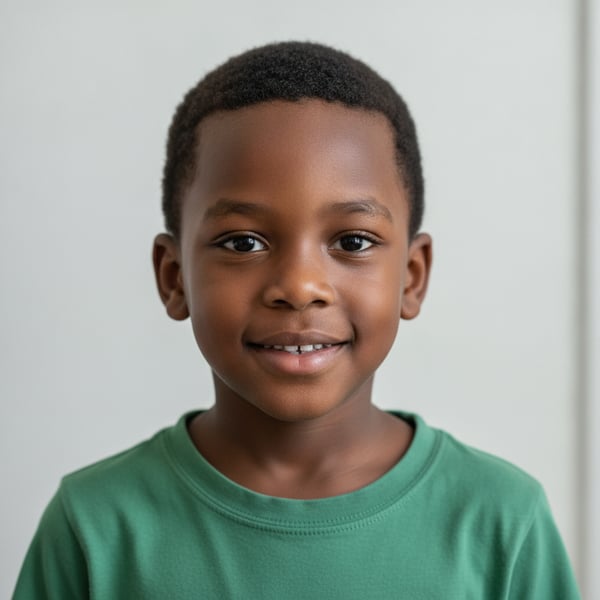
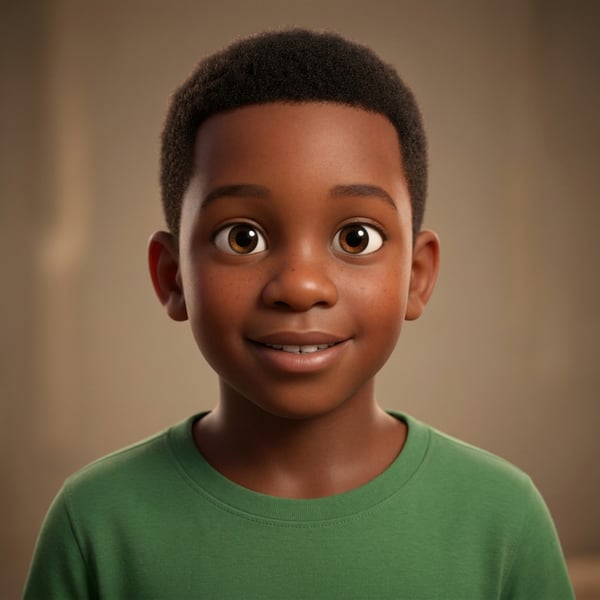 Deep brown skin, tightly coiled hair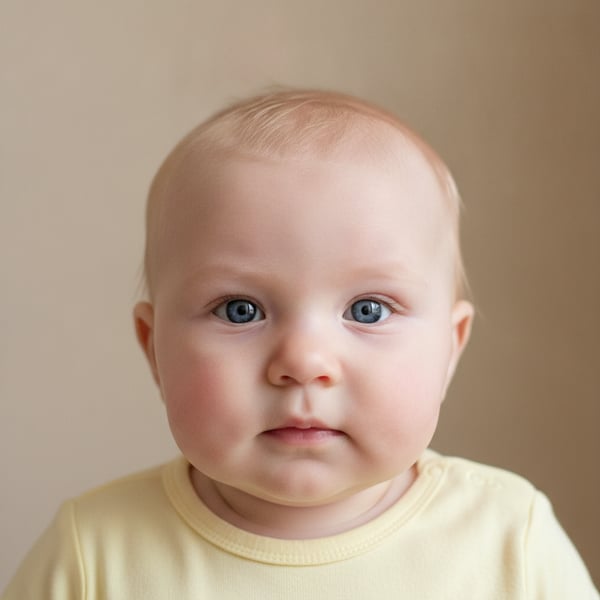
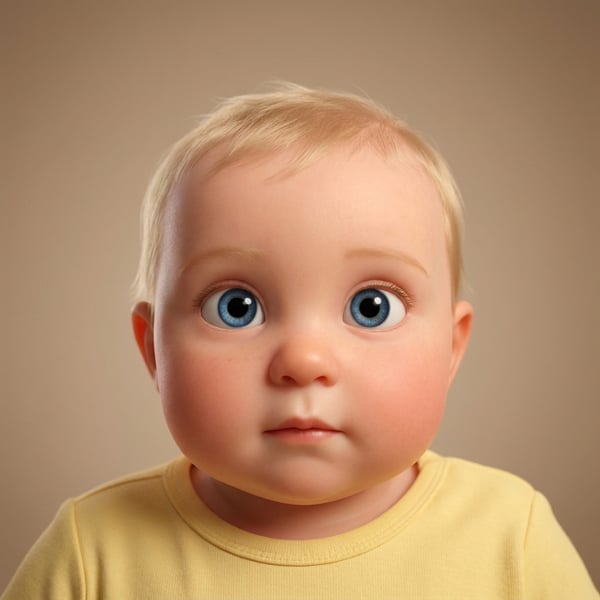 Fine, fair, barely-there hair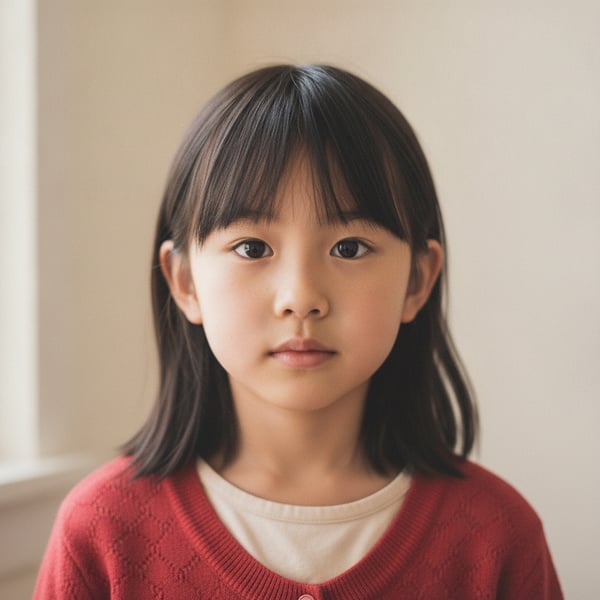
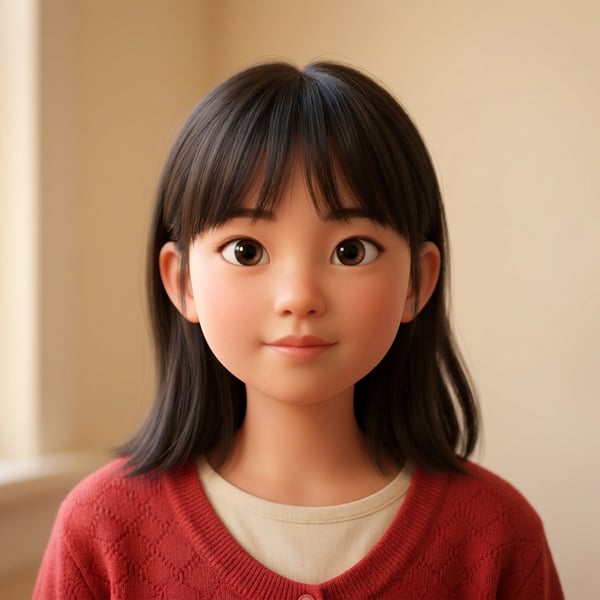 Straight black hair with a fringe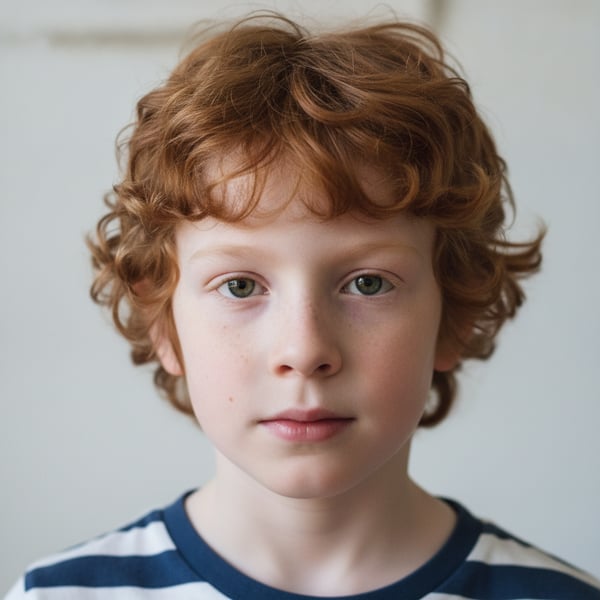
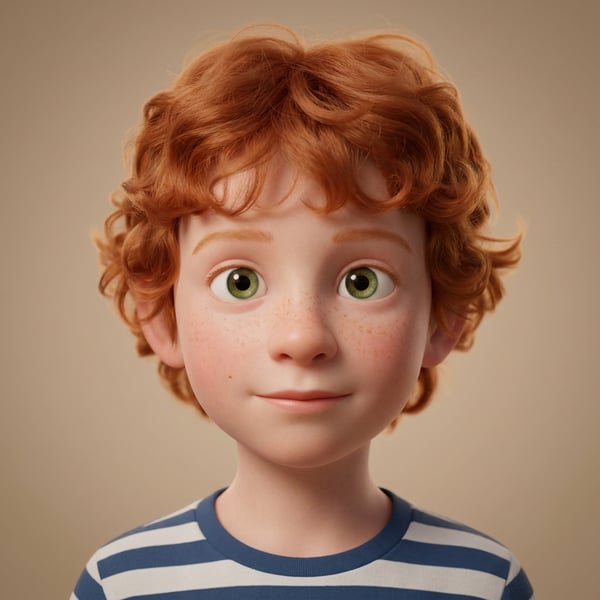 Curly ginger hair and freckles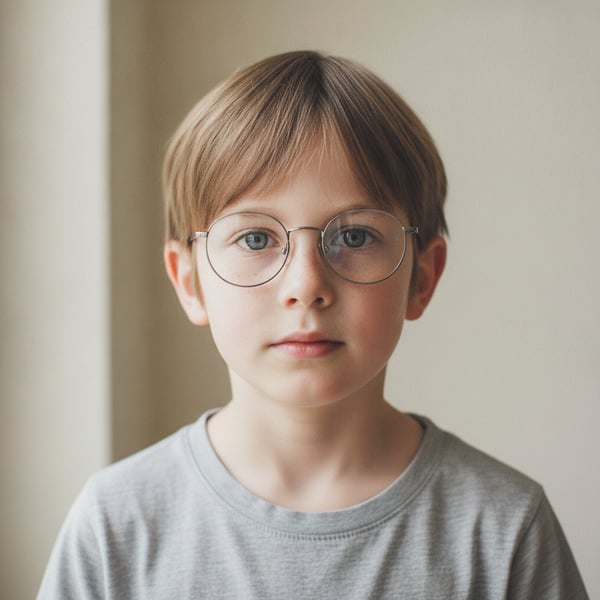
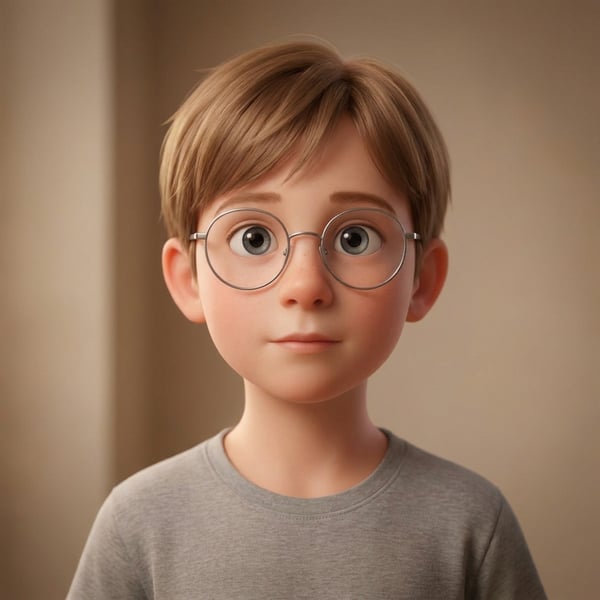 Round glasses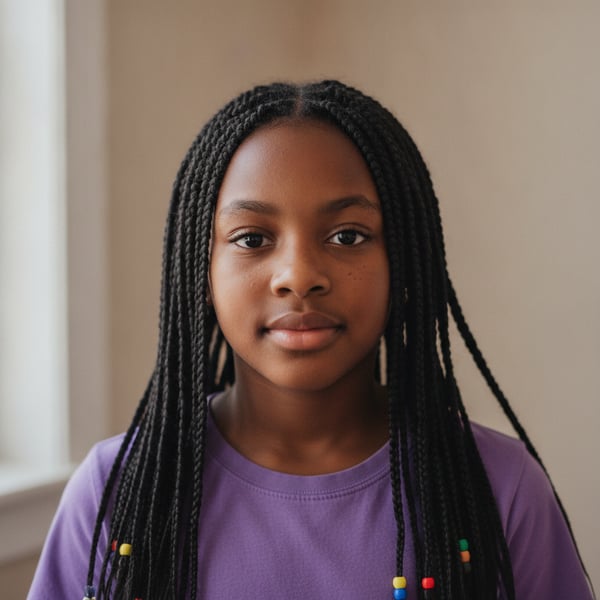
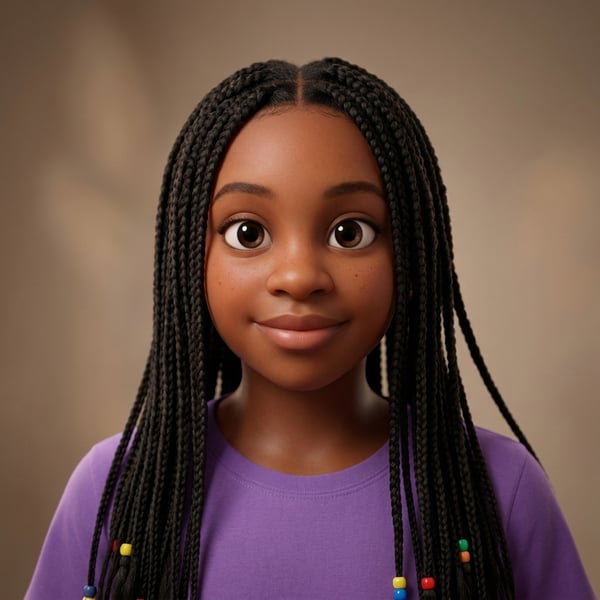 Long braids with beads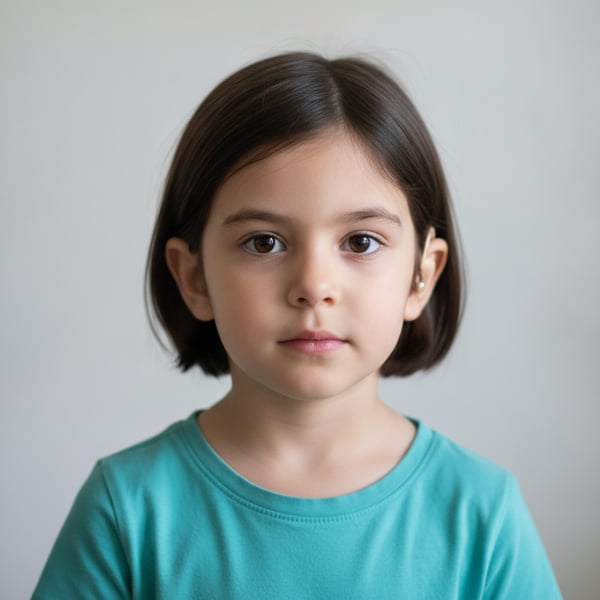
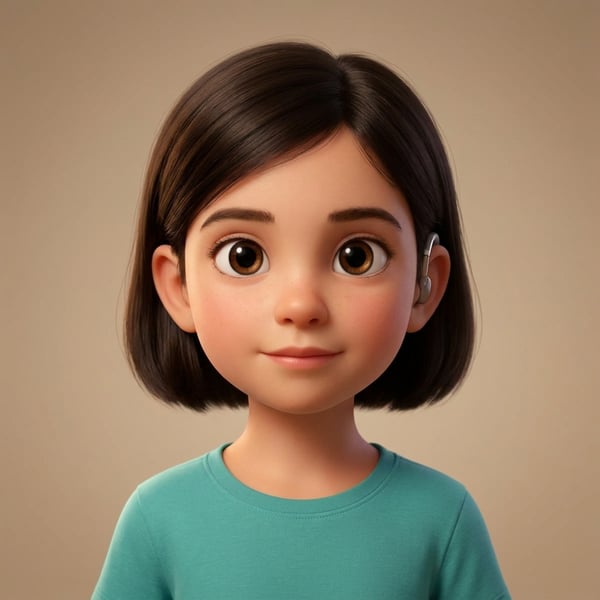 A visible hearing aid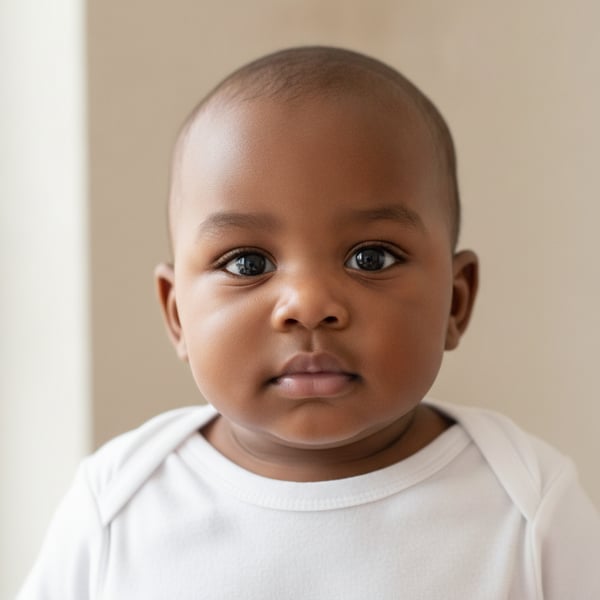
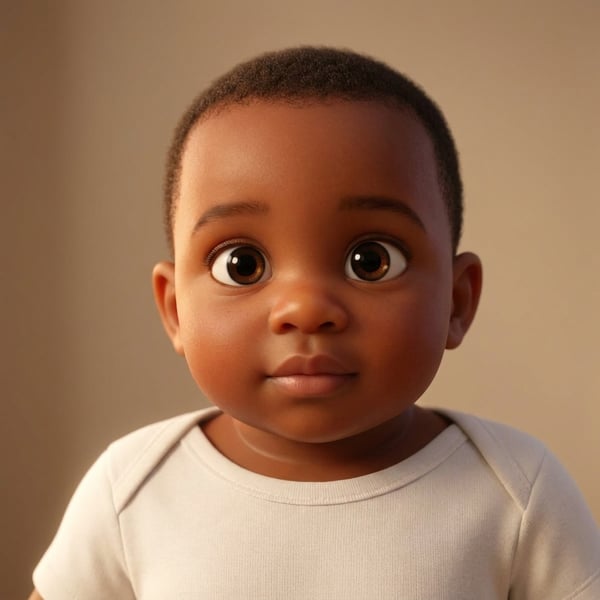 A baby with no hair
Skin tone, hair texture and freckles all carried through - including the cases most generators get wrong. See it up close
Last updated: