AI storybook
The word AI is doing two separate jobs in this phrase, and they succeed independently. One is text: a language model writes the story around the child's name, age and chosen theme. The other is image: a model builds an illustrated character from an uploaded photo and draws that character into every scene. A book can do one well and the other badly.
The image half is the harder problem and the one buyers should judge on. Generating a single appealing illustration of a child is easy. Generating twelve illustrations across different poses, settings and lighting in which the child is recognisably the same person is where most tools visibly fail, usually by drifting into a generic face by the later pages.
The text half fails differently. A weak AI story reads as a template with details substituted: correct grammar, no arc, and a hero who could be anyone. A strong one has an actual shape - a problem, a wobble, a resolution - and a vocabulary level that suits the reader rather than averaging across all children.
What AI changed commercially is catalogue size rather than quality ceiling. Illustrating a personalized book by hand costs hundreds of pounds and takes weeks, which limited the market to a handful of fixed stories with swappable names. Generation makes a large catalogue of genuinely different stories economically possible for the first time.
The reasonable objections are worth taking seriously rather than dismissing. Generated art is trained on existing artwork, generated stories can be bland, and uploading a child's photograph to any service deserves scrutiny. A maker who cannot answer plainly what happens to the photo afterwards is telling you something.
Related phrasings include AI children's book, AI-generated storybook, and AI personalized book. They all describe the same category. Photo-personalized book is a narrower term meaning specifically that the illustrations come from a real photograph rather than a preset avatar.
Common questions
Does an AI storybook really look like my child?
A good one does, on every page rather than only the cover. The test is consistency across the whole book: the same face shape, hair and skin tone in chapter eleven as in chapter one. Ask to see a full preview rather than a single sample image.
Is the story any good, or is it filler?
It varies more than the marketing suggests. A strong generated story has a real arc and language pitched at the child's age; a weak one is a template with a name inserted. Reading the actual generated text before paying is the only way to tell them apart.
What happens to my child's photo?
That depends entirely on the maker, and it is the question worth asking first. A reputable one uses the photo only to produce your book, does not sell or share it, lets you delete it, and does not feed it into model training. Their privacy policy should say so plainly.
Is an AI storybook the same as a name-only personalized book?
No, and the gap is large. A name-only book has fixed illustrations and swaps the text; an AI storybook generates the illustrations from your child's photograph, so the character in the pictures is meant to resemble your actual child.
Can I choose what happens in the story?
With most makers you choose a theme, an occasion and some details about the child, and the story is generated within that. Fully open-ended prompting is rare, because a story assembled from arbitrary instructions tends to lose the arc that makes it worth reading twice.
Will it actually look like them?
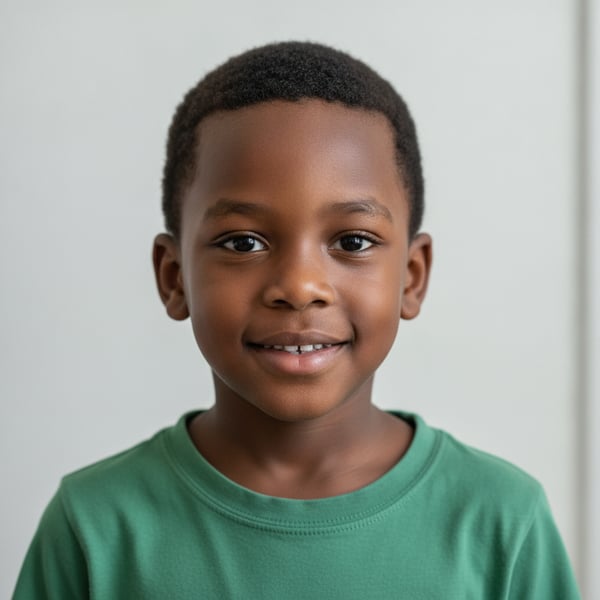
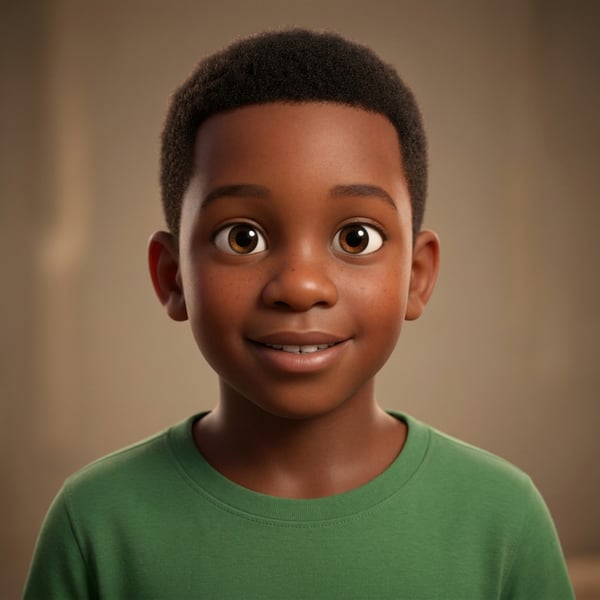 Deep brown skin, tightly coiled hair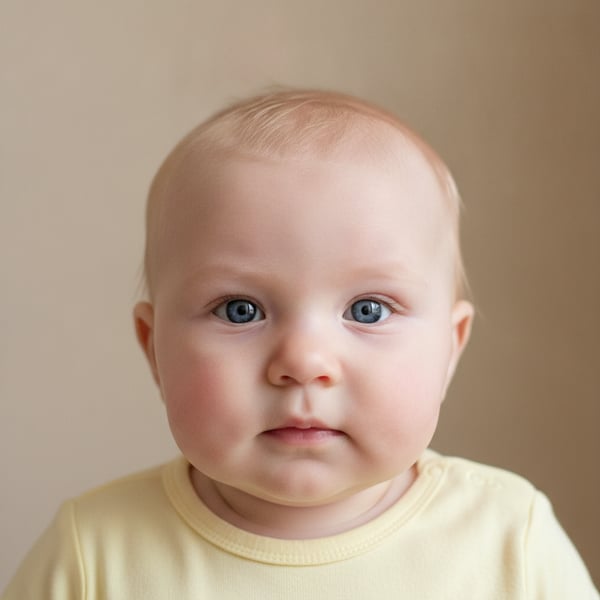
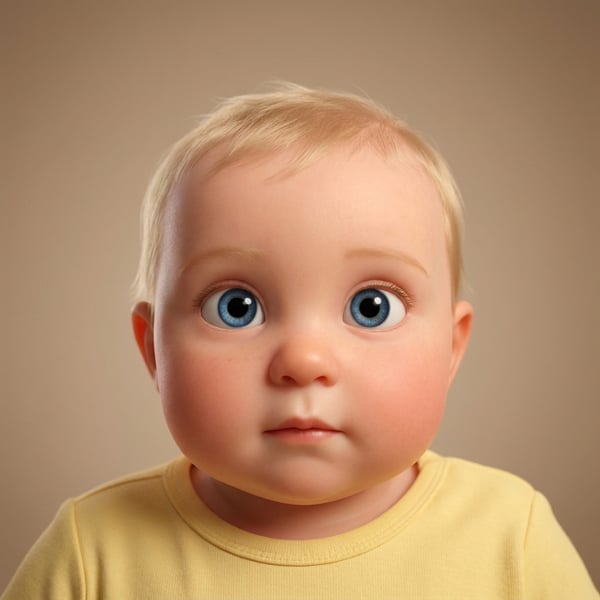 Fine, fair, barely-there hair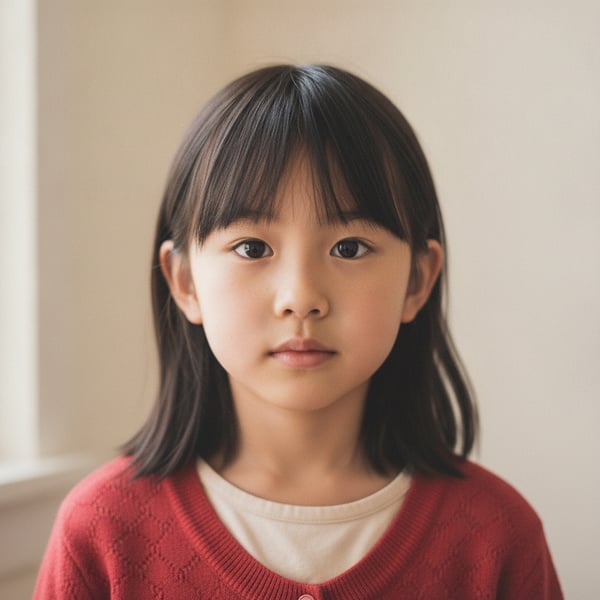
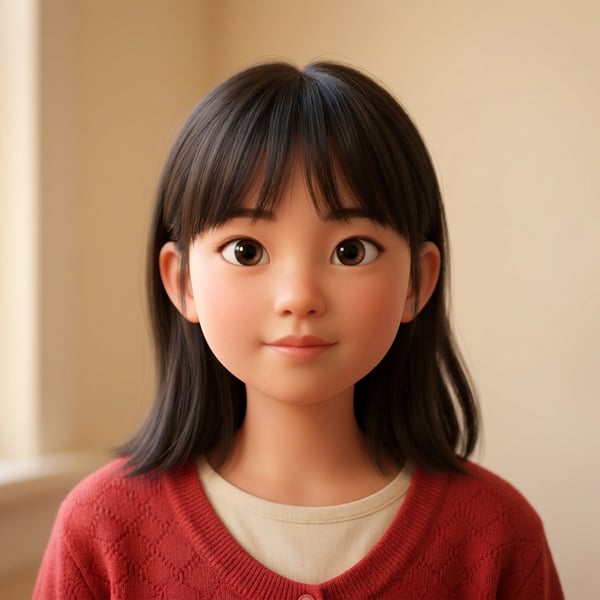 Straight black hair with a fringe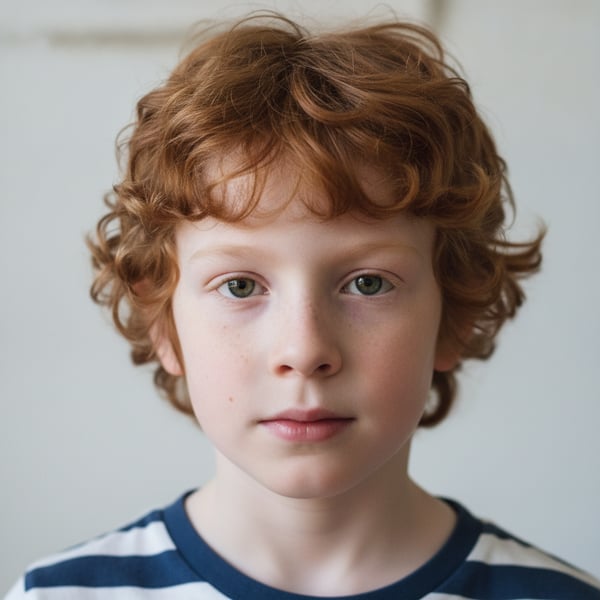
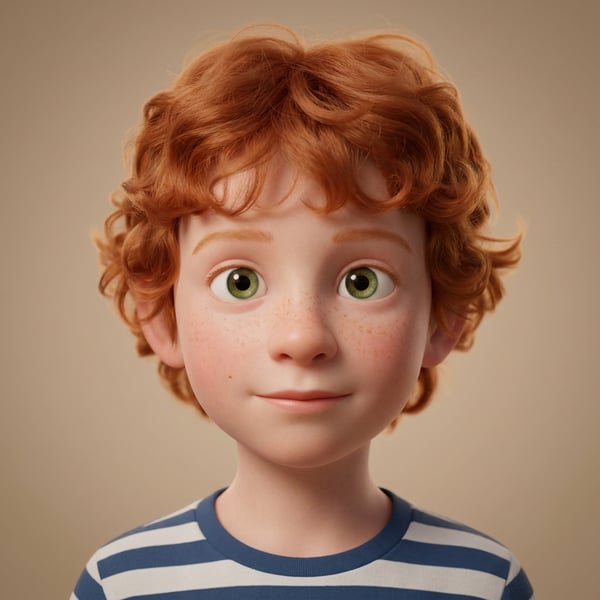 Curly ginger hair and freckles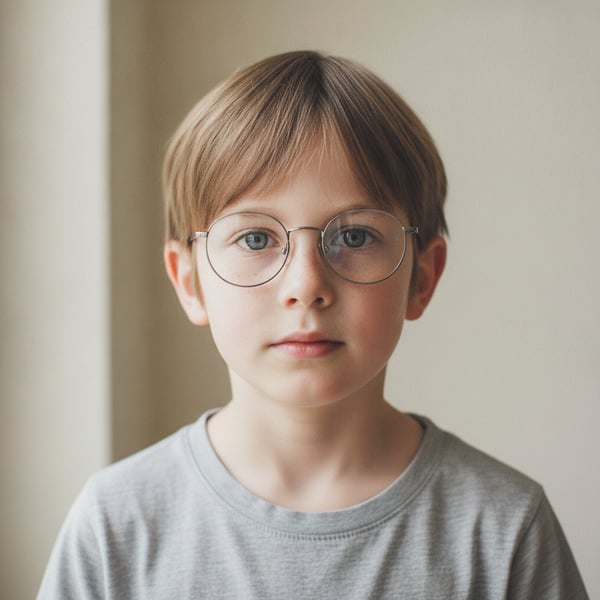
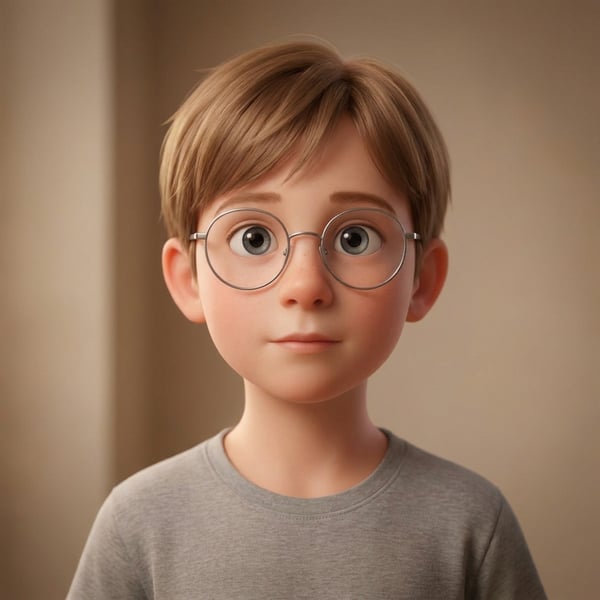 Round glasses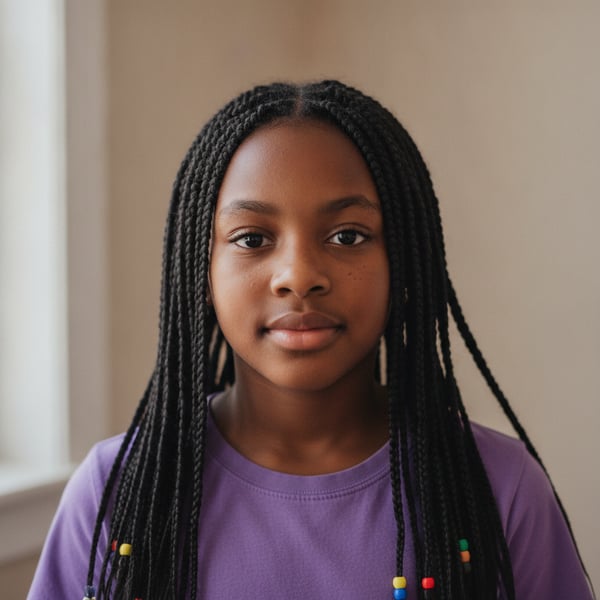
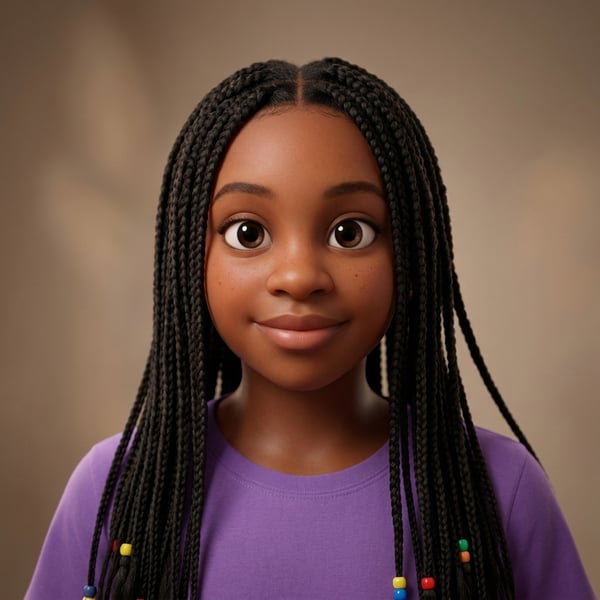 Long braids with beads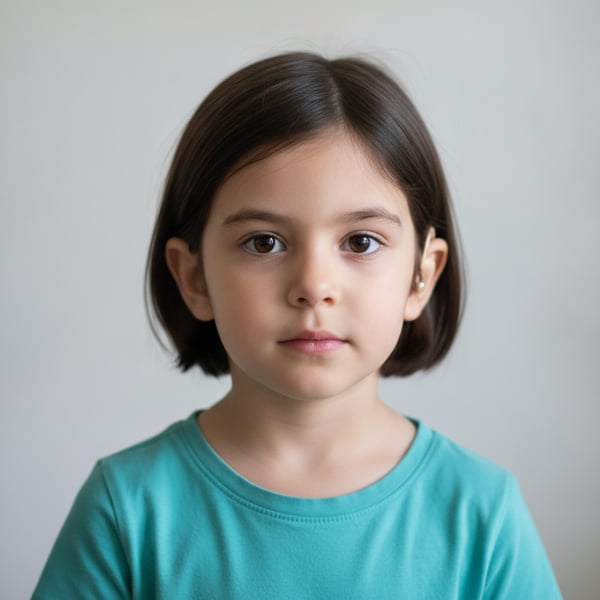
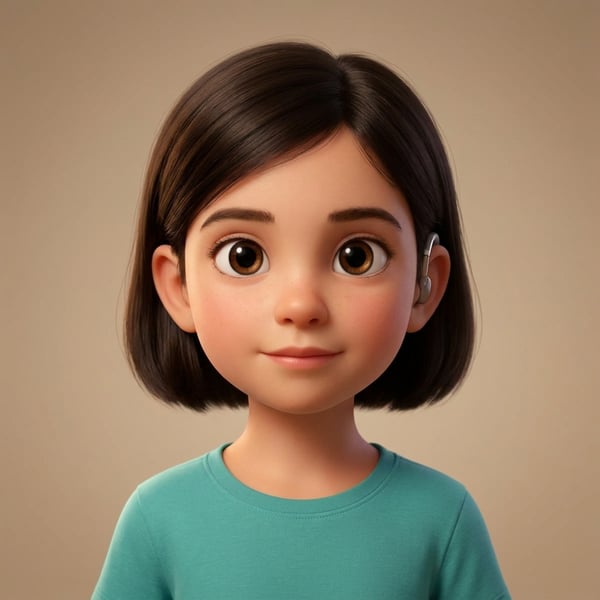 A visible hearing aid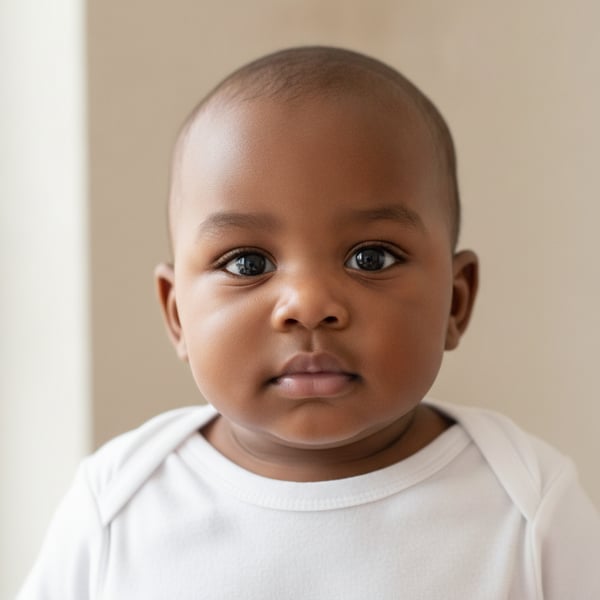
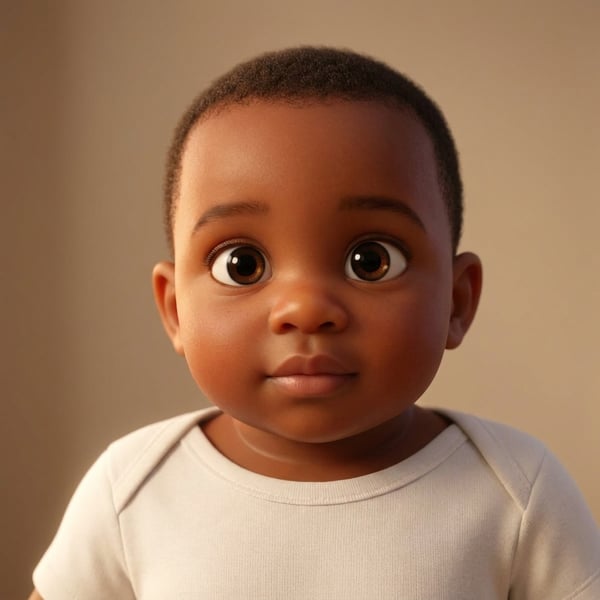 A baby with no hair
Skin tone, hair texture and freckles all carried through - including the cases most generators get wrong. See it up close
Last updated: