Hardcover vs softcover
The difference is the cover board. A hardcover is built by wrapping printed paper around a rigid grey board and gluing that case to the text block, which is why the book keeps its shape on a shelf and why the spine survives being pulled out by a three-year-old. A softcover is a single sheet of heavier card scored and glued straight to the pages, so the whole book flexes with the pages inside it.
That one construction difference decides almost everything else. A hardcover opens flatter, which matters more than it sounds when an adult is reading aloud with a child on their lap and only one hand free. A softcover wants to close itself, and after a few dozen readings the cover corners start to curl and the spine develops a permanent crease where it was held open.
Durability is the honest reason most people choose hardcover for a keepsake. A softcover children's book that is genuinely loved has a visible lifespan of a year or two of nightly reading. A hardcover of the same book is still intact when the child has outgrown it, which is the whole point of a book you intend to keep.
Softcover is not the lesser choice for every job. It is lighter, cheaper to post, and far less painful to lose - which makes it the better format for a holiday, a school bag, a grandparent's spare copy, or a second copy for the child who wants their own. Plenty of families order one of each rather than choosing.
Two things to know before deciding. Page count behaves differently in the two bindings: a very thin book is awkward as a hardcover, and a very thick one is uncomfortable as a softcover. And a hardcover takes longer to make, because the case has to be built and pressed before the book is trimmed.
The same two things go by several names. Printers say hardbound and softbound, most shops say paperback for softcover, and case bound is the technical name for how a hardcover is put together. Perfect bound is the specific gluing method used on most softcovers. Hardback and hardcover are the same word - the first is more common in British English.
Common questions
Is hardcover or softcover better for a children's book?
Hardcover if the book is meant to be kept: it lies flatter for reading aloud, survives years of handling, and looks like something that belongs on a shelf. Softcover if it is a travelling copy, a spare, or a gift where cost and weight matter more than longevity.
Does a hardcover book really last longer?
Yes, and the gap is larger than most people expect. A well-loved softcover children's book shows serious wear within a year or two of nightly reading, mostly at the spine and cover corners. A hardcover of the same title is usually still sound long after the child has moved on from it.
Why does a hardcover cost more?
The materials and the labour both go up. A hardcover needs the printed case, the rigid board underneath it, and endpapers to join the case to the pages, and the case has to be built and pressed as a separate step before the book is finished.
What is the difference between hardback and hardcover?
Nothing. They are two names for the same binding, with hardback more common in British English and hardcover more common in American English. You may also see it called case bound, which describes how the rigid cover is made and attached.
Which format is better for a very young child?
For under-threes, neither is ideal - a board book is the format built for that age, with thick wipe-clean pages that survive being chewed and bent. From about three or four, a hardcover picture book is the sturdier of the two options here.
Will it actually look like them?

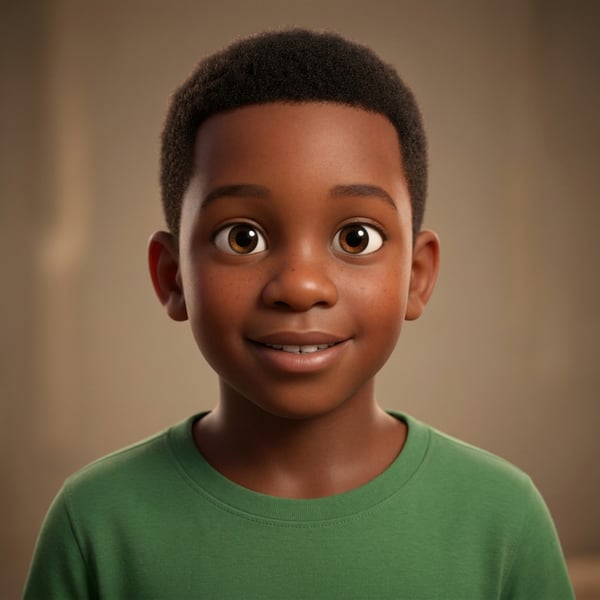 Deep brown skin, tightly coiled hair
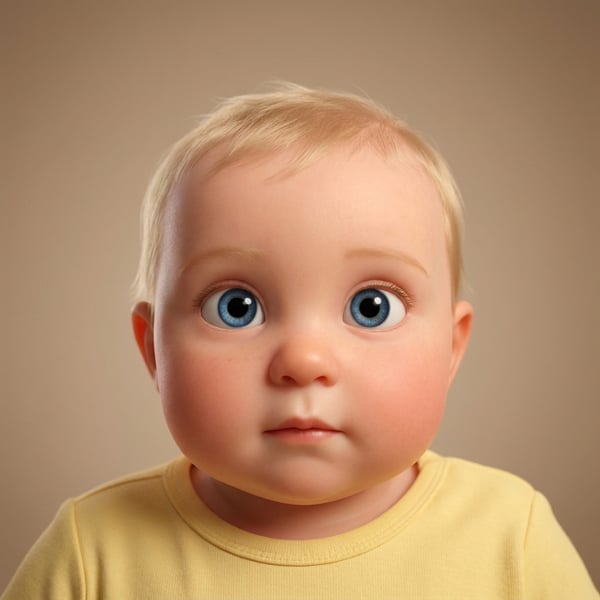 Fine, fair, barely-there hair
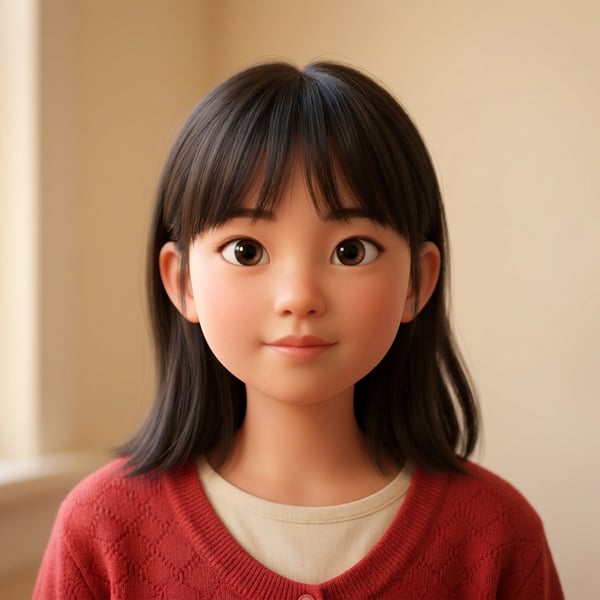 Straight black hair with a fringe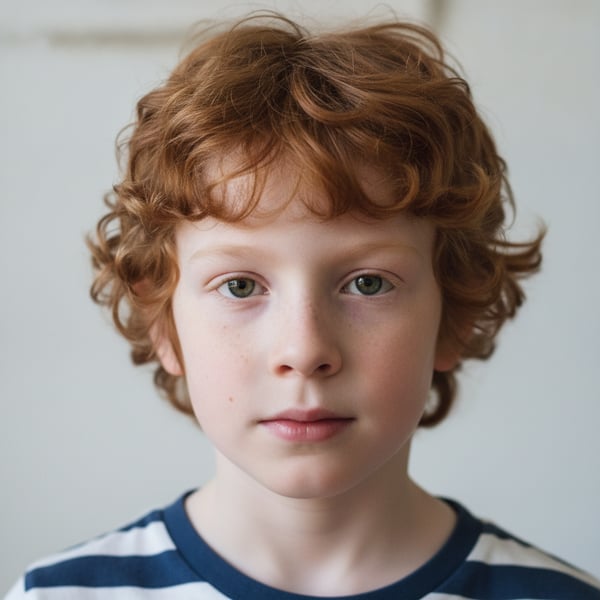
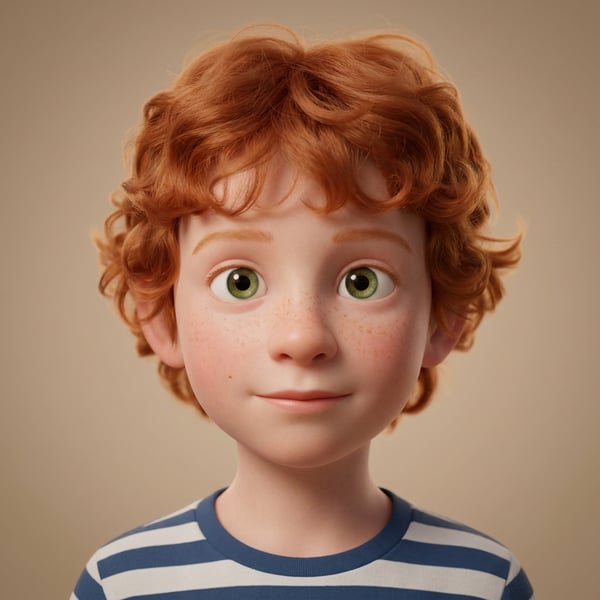 Curly ginger hair and freckles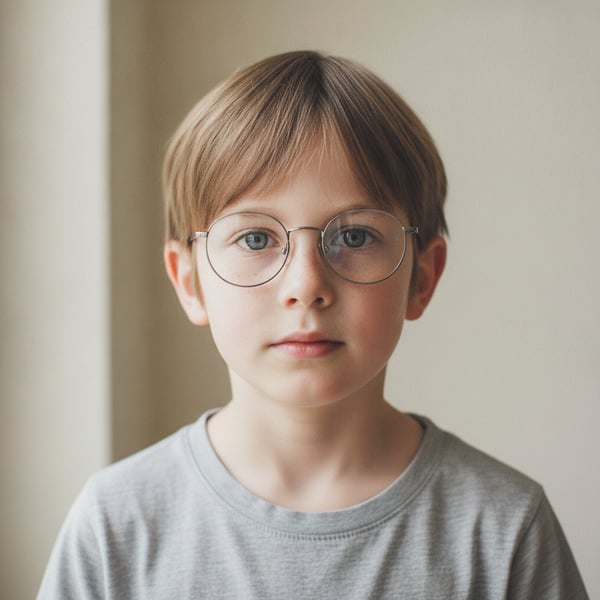
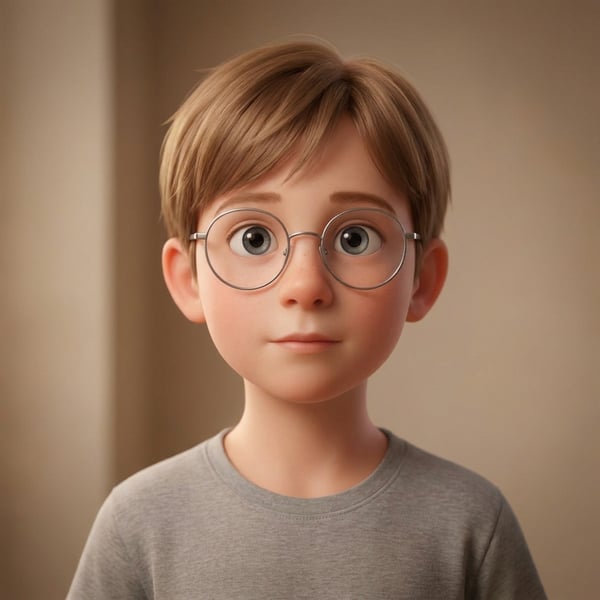 Round glasses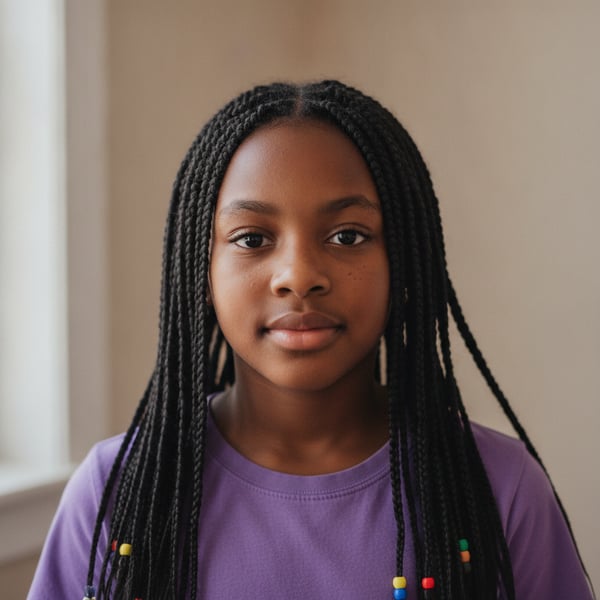
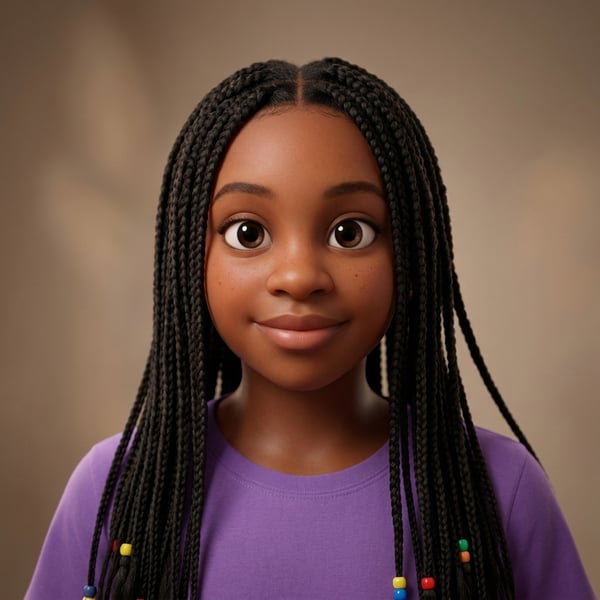 Long braids with beads
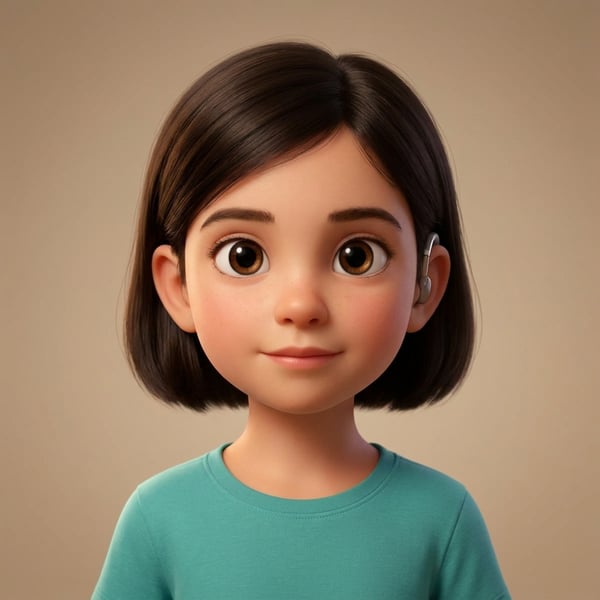 A visible hearing aid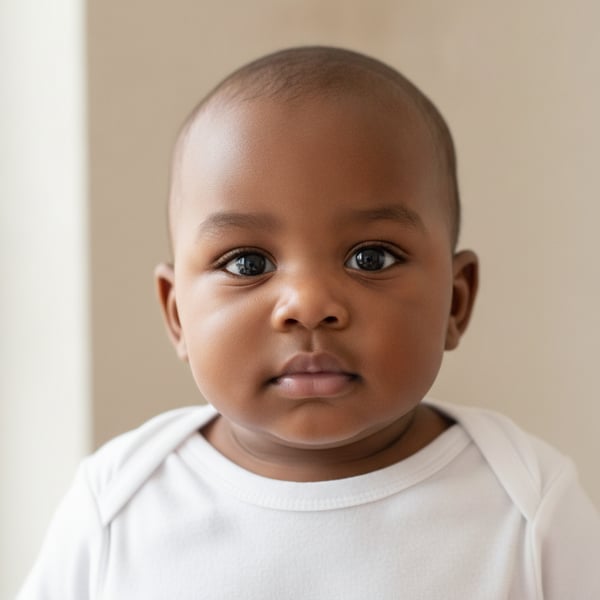
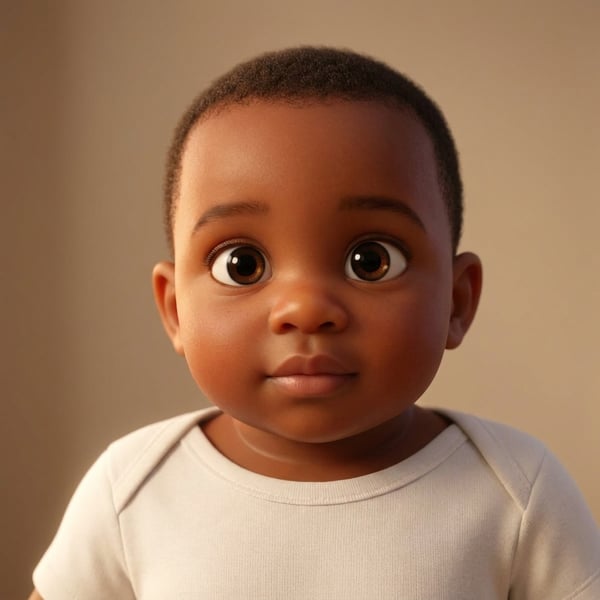 A baby with no hair
Skin tone, hair texture and freckles all carried through - including the cases most generators get wrong. See it up close
Last updated: