Print on demand
Print on demand means no copy exists until somebody orders it. The book is held as a file, and a press produces a single copy after payment rather than a print run being made in advance and warehoused. For personalized books this is not an efficiency choice; it is the only way the product can exist at all, because no two copies are the same.
The mechanics are straightforward. When an order is placed, a print-ready file is generated and sent to a printing partner, usually one with a facility near the delivery address. That facility prints the pages, binds them, trims the block, and posts the finished book directly, so it never passes through the seller's hands.
The trade-off against traditional printing is time versus uniqueness. A mass-printed book sitting in a warehouse ships the same day; a print-on-demand book needs a production window of a few days before it can be posted. What you get for those days is a book that has never been made before and will never be made again.
There are quality implications worth knowing. Print on demand uses digital presses rather than offset lithography, which historically meant a visible gap in colour fidelity. That gap has largely closed for illustrated children's books, though very large print runs are still cheaper per copy and can hit colours that digital presses reach only approximately.
It also changes what can be sold. Because there is no inventory risk, a catalogue can carry ninety-four stories rather than the six that would justify a print run, and a story that sells twice a year costs nothing to keep listed. Long-tail titles that would never survive a traditional publisher are viable under this model.
The term is often shortened to POD, and it sits alongside two related ideas: made to order, which means the same thing in plainer English, and drop shipping, which is about who posts the parcel rather than when it was printed.
Common questions
How long does a print-on-demand book take to arrive?
Usually a few days for production plus normal shipping time for the destination. The production window is the real difference from a warehoused book - your copy has to be printed, bound and trimmed after you order, because it did not exist before that.
Is print-on-demand quality worse than a normal book?
For illustrated children's books, not noticeably any more. Digital presses have closed most of the gap with traditional offset printing. Very large runs still achieve slightly better colour consistency and a lower cost per copy, which is why mass-market titles are still printed that way.
Why do personalized books have to be printed on demand?
Because every copy is different. A print run only makes sense when thousands of identical copies are wanted, and a personalized book is by definition a run of one - a different child, name and dedication on each order.
Can I cancel a print-on-demand order?
Usually only before production starts, and that window is short. Once a unique copy has been printed with a specific child's name and pictures in it, it cannot be resold to anybody else, which is why most makers treat the start of printing as the cut-off.
Will it actually look like them?
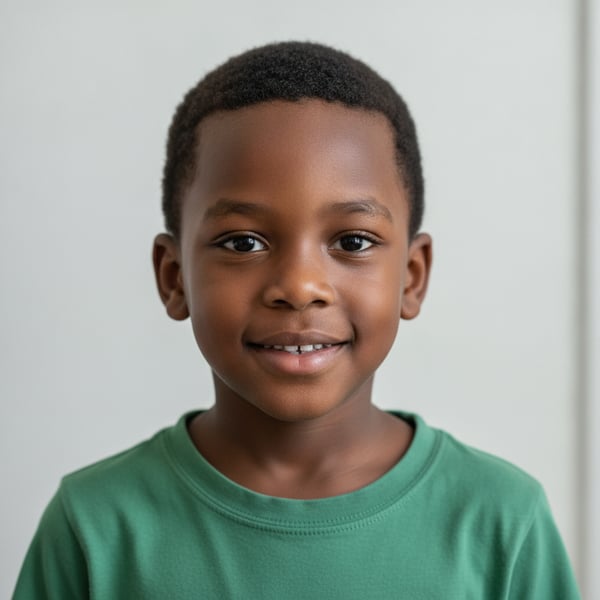
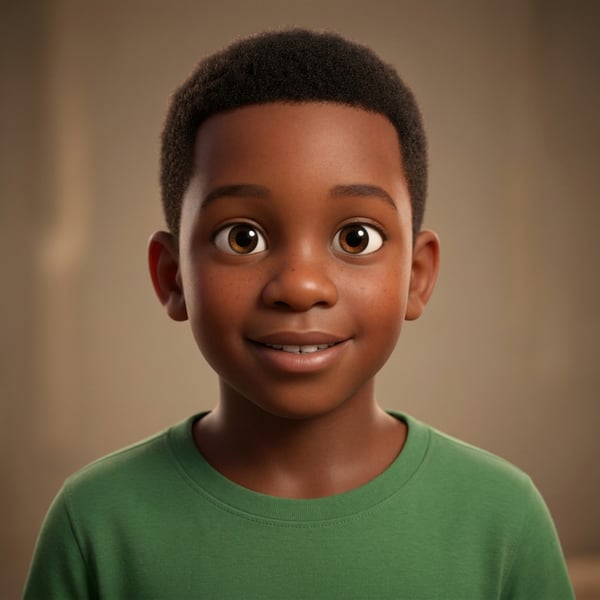 Deep brown skin, tightly coiled hair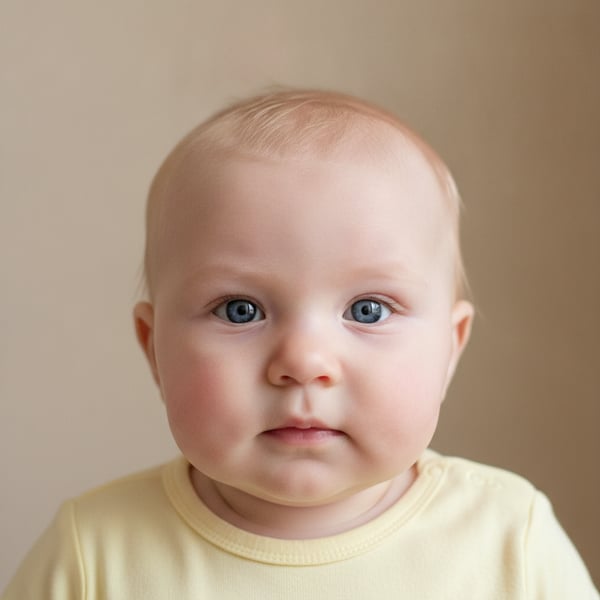
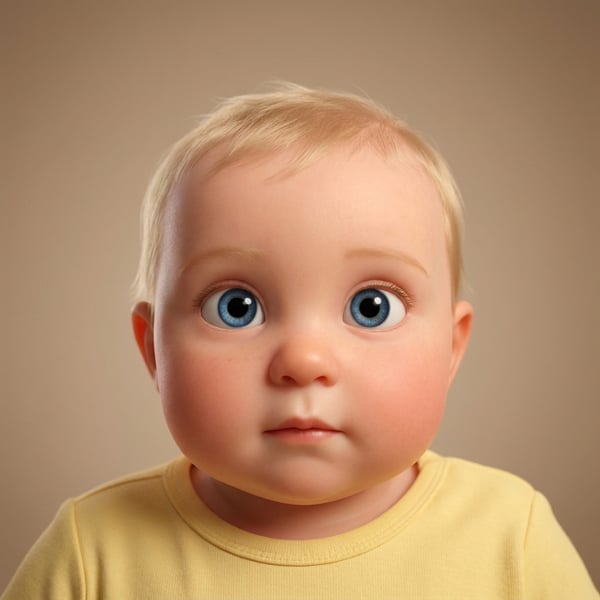 Fine, fair, barely-there hair
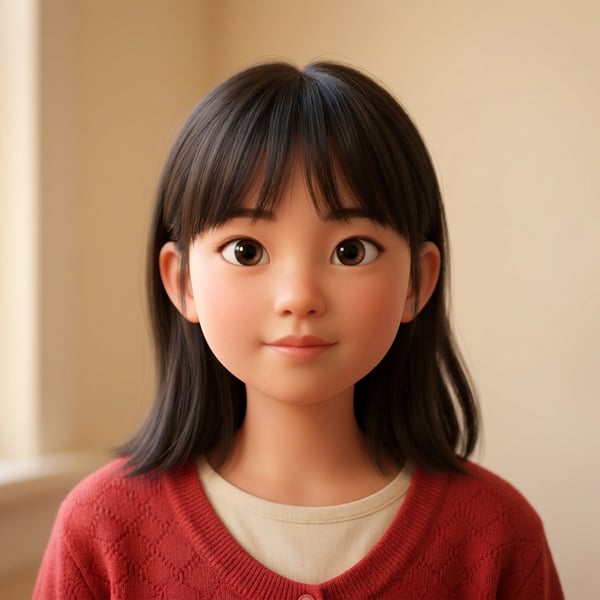 Straight black hair with a fringe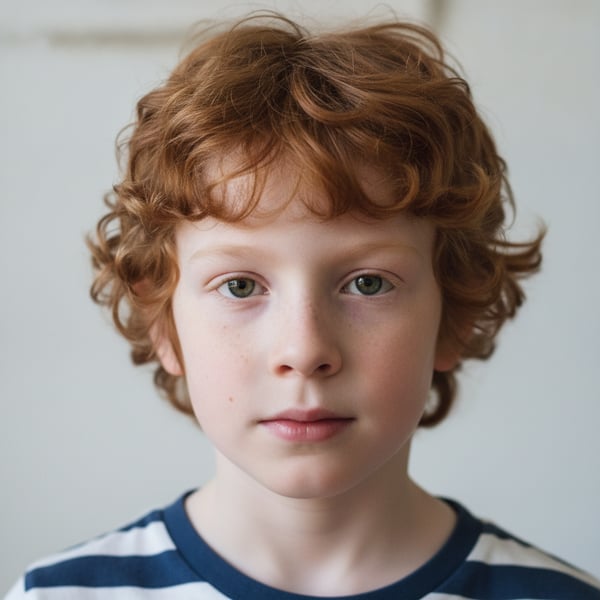
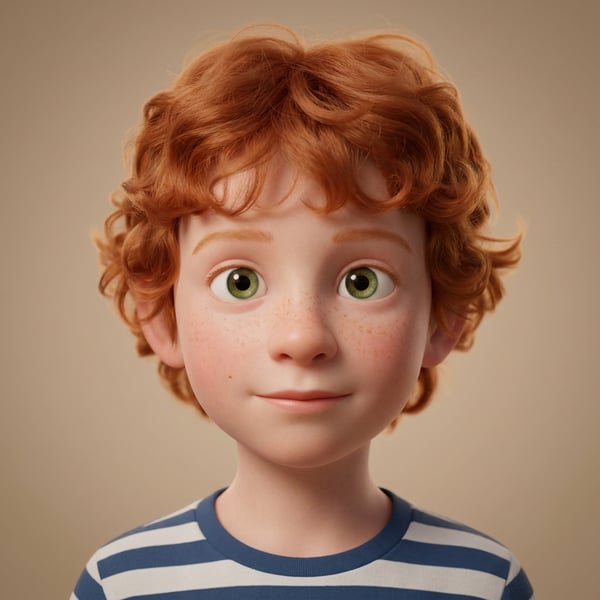 Curly ginger hair and freckles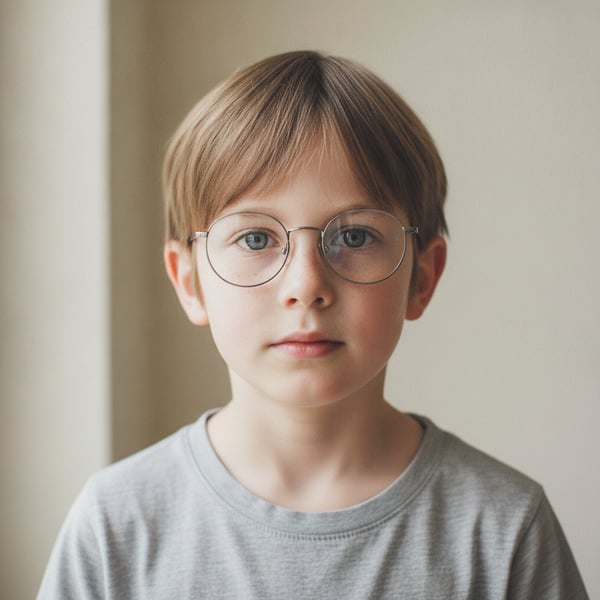
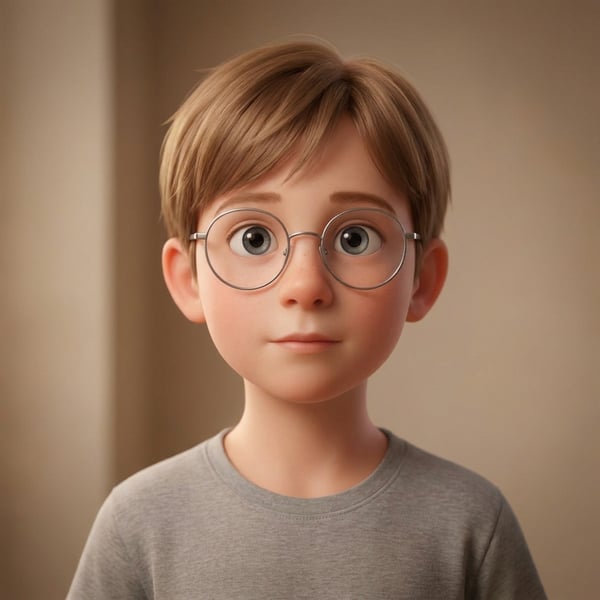 Round glasses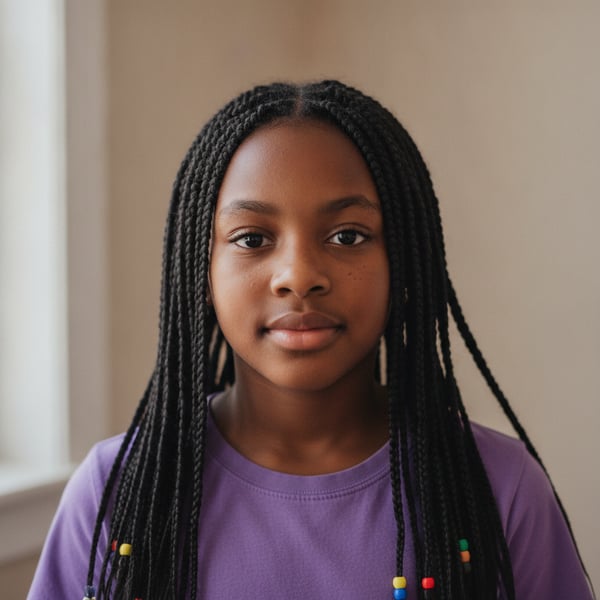
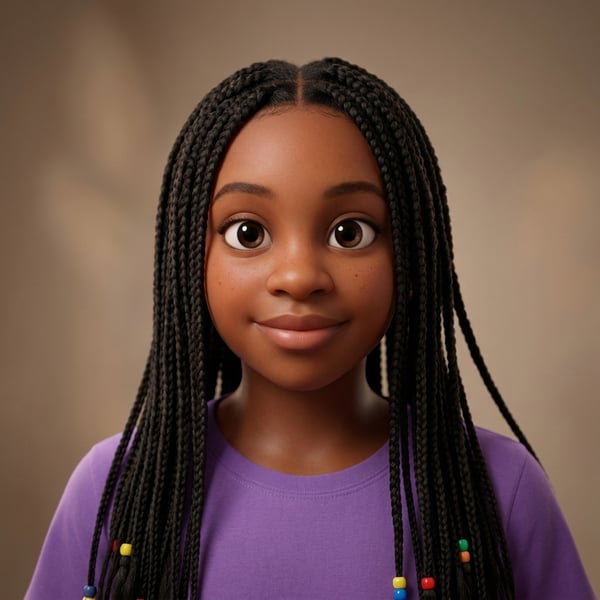 Long braids with beads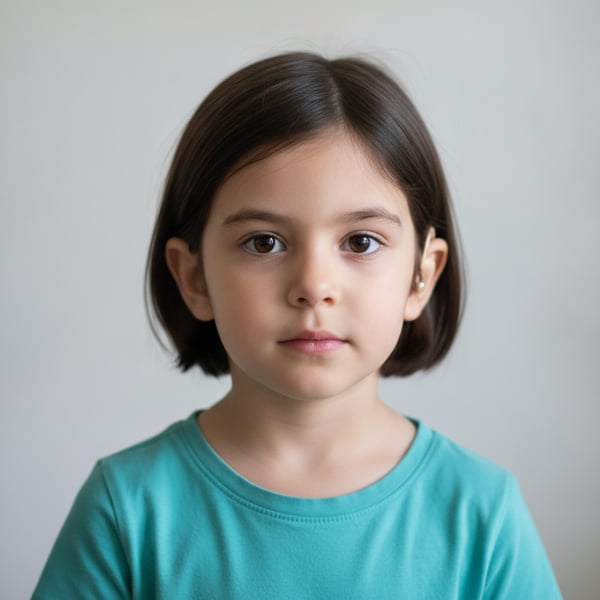
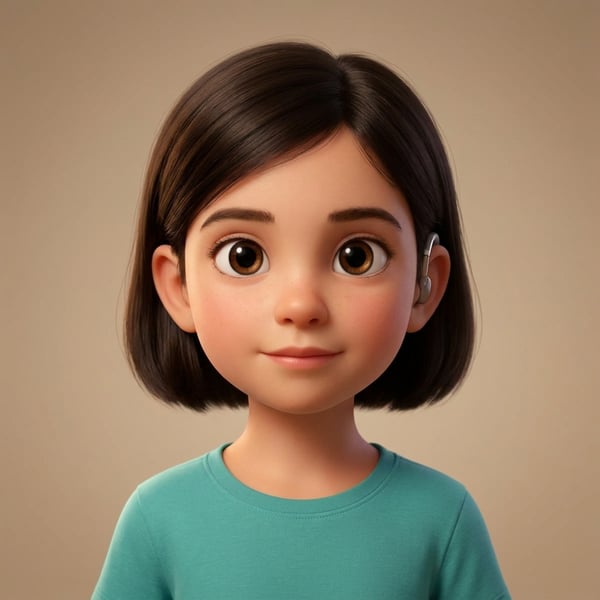 A visible hearing aid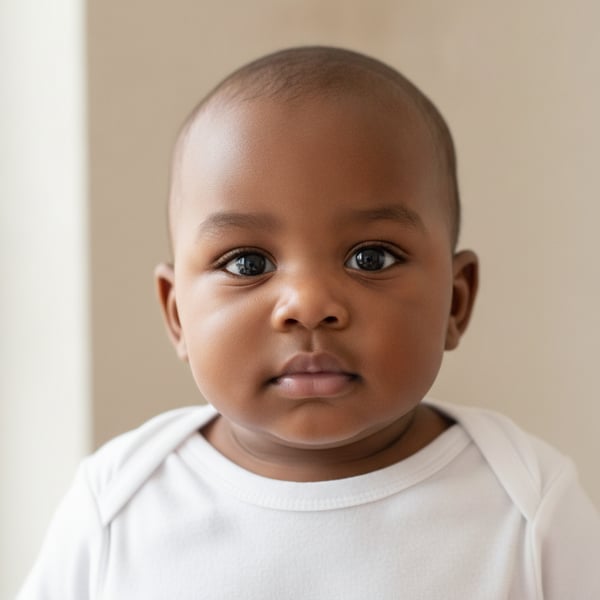
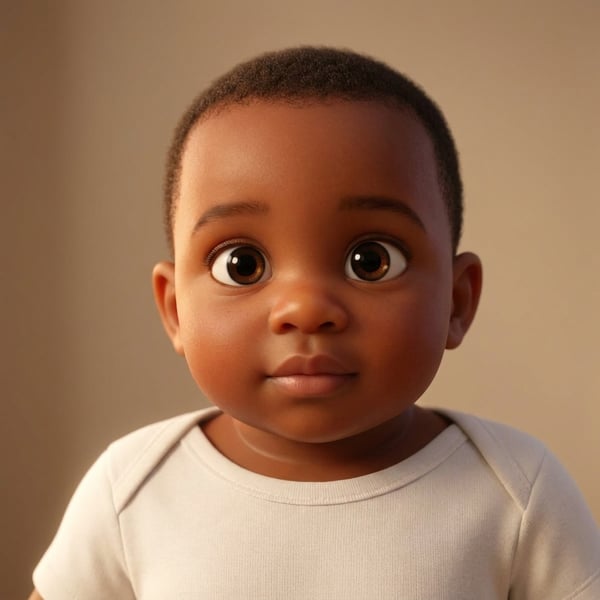 A baby with no hair
Skin tone, hair texture and freckles all carried through - including the cases most generators get wrong. See it up close
Last updated: