Bibliotherapy
Bibliotherapy means using a book as a way into something difficult. In its clinical form it is guided by a therapist; in the form most families meet, it is simply choosing a story about the thing a child is going through and reading it together, which gives the subject a way of being discussed without being interrogated.
The mechanism is distance. A child asked directly how they feel about the new baby will often say nothing, because the question is large and the answer is unflattering. The same child hearing about a character who feels crowded out can react to the character, and that reaction is usually about themselves.
It works best slightly before or slightly after, not during. A book about starting school is useful in the fortnight before term and in the settling weeks afterwards; read on the morning itself it is one more thing happening. The same holds for a new sibling, a house move or a hospital visit.
The common mistake is making the lesson explicit. A story that stops to explain its own moral stops being a story, and children detect the shift immediately. Closing the book without commentary and letting the child raise it, or not, does more than any follow-up question does.
It has limits worth respecting. A picture book is a way in, not a treatment: for bereavement, trauma or persistent anxiety, a book supports a conversation with somebody qualified rather than substituting for it. Choosing a book whose ending is honest matters more than choosing one whose ending is happy.
A personalized story adds identification rather than distance, which cuts both ways. Being the hero of a story about a fear can make the resolution feel more available; for a raw or recent difficulty, a character who is clearly somebody else may give a child more room.
Common questions
What is bibliotherapy for children?
Using a story as a way into something a child is facing - a new sibling, a move, a fear of the dark - so the subject can be met through a character rather than through direct questions the child may not be able to answer.
When should I read a book about a difficult subject?
Usually shortly before or shortly after, rather than during. A book about starting school helps in the fortnight beforehand and in the settling weeks; read on the morning itself it becomes one more new thing to absorb.
Should I explain the message afterwards?
Better not to. A story that has its moral spelled out stops working as a story, and most children notice the shift. Closing the book and letting them raise it in their own time, or not at all, usually achieves more.
Can a book replace talking to a professional?
No. For bereavement, trauma or persistent anxiety a book can open a conversation and support one, but it is not a treatment, and choosing a story with an honest ending matters more than choosing one that ties everything up.
Will it actually look like them?
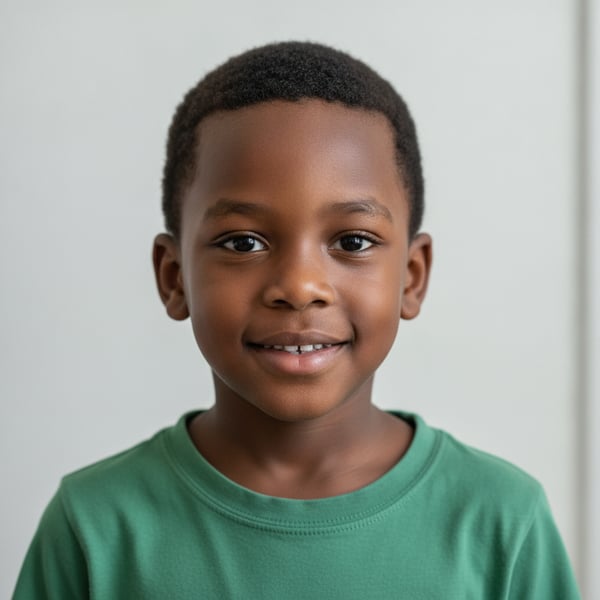
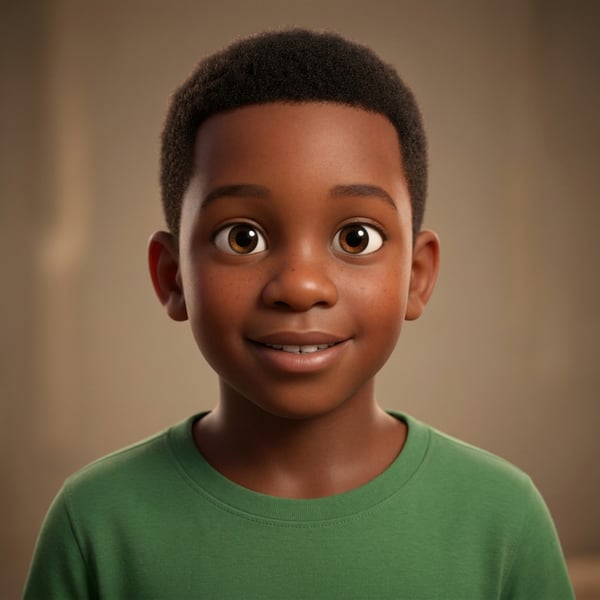 Deep brown skin, tightly coiled hair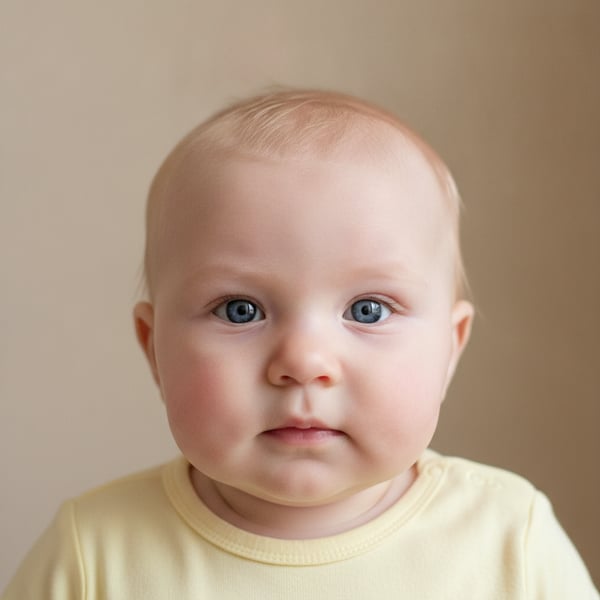
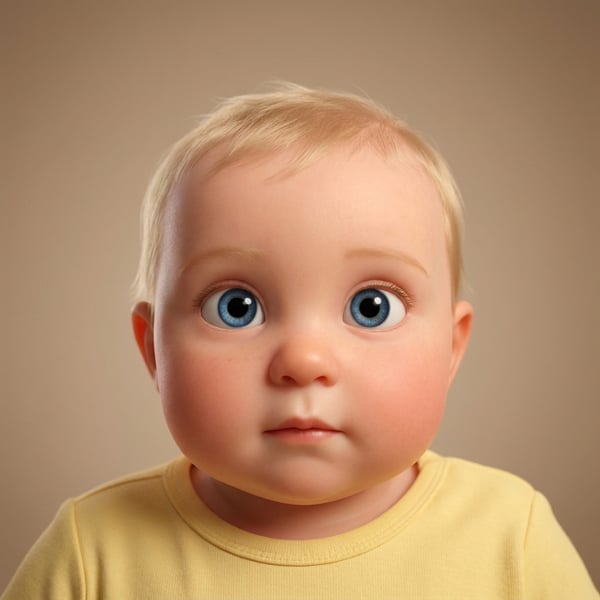 Fine, fair, barely-there hair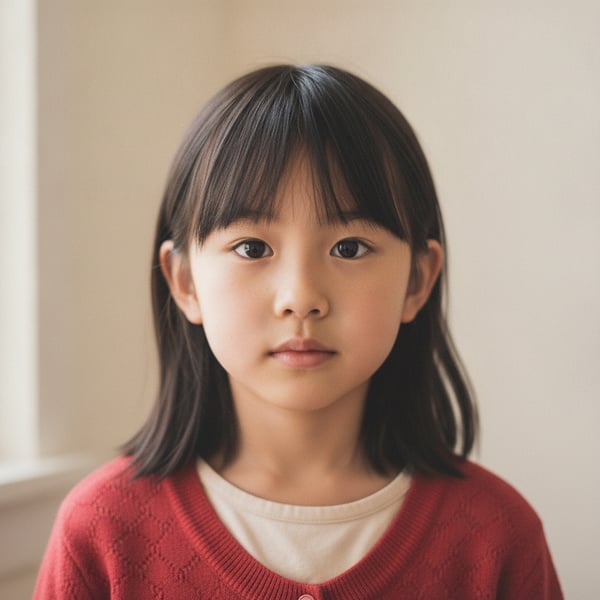
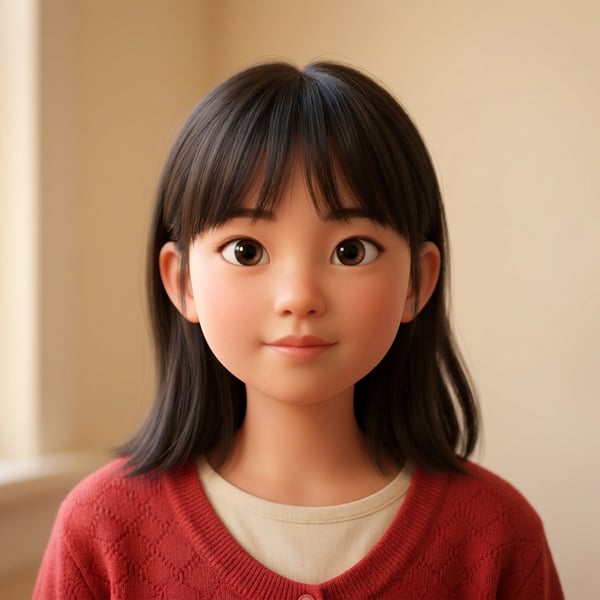 Straight black hair with a fringe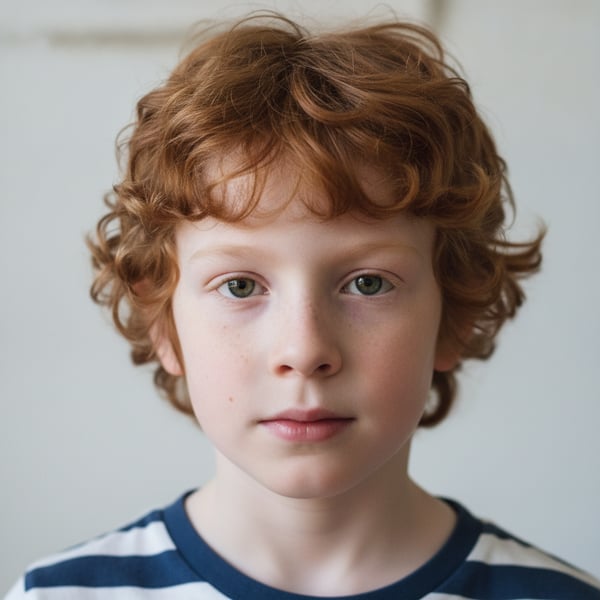
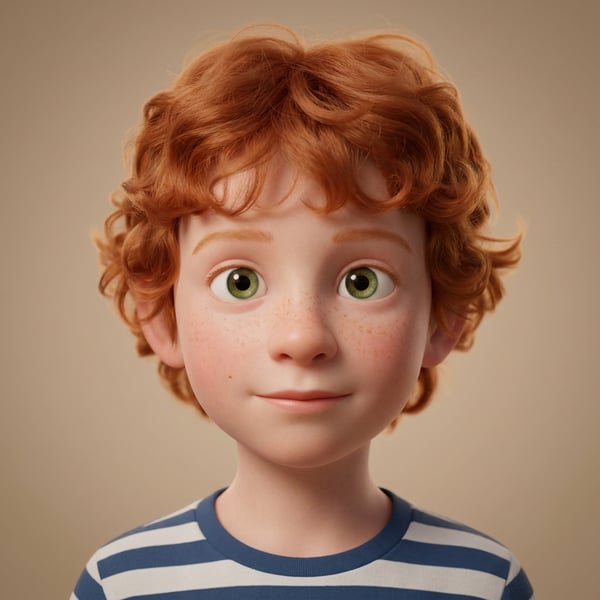 Curly ginger hair and freckles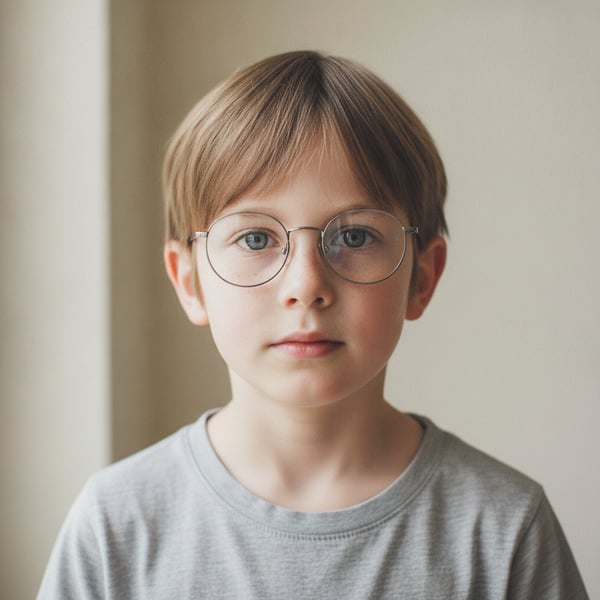
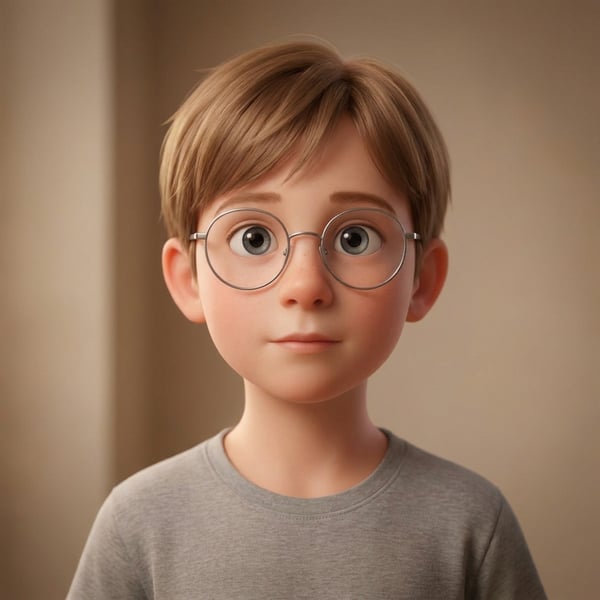 Round glasses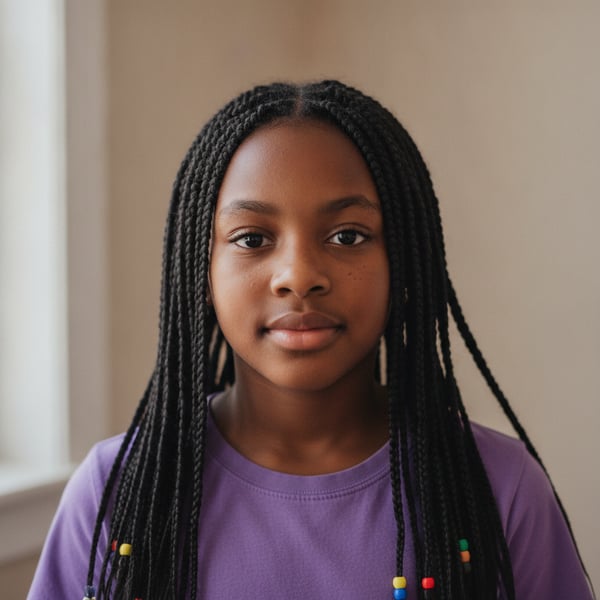
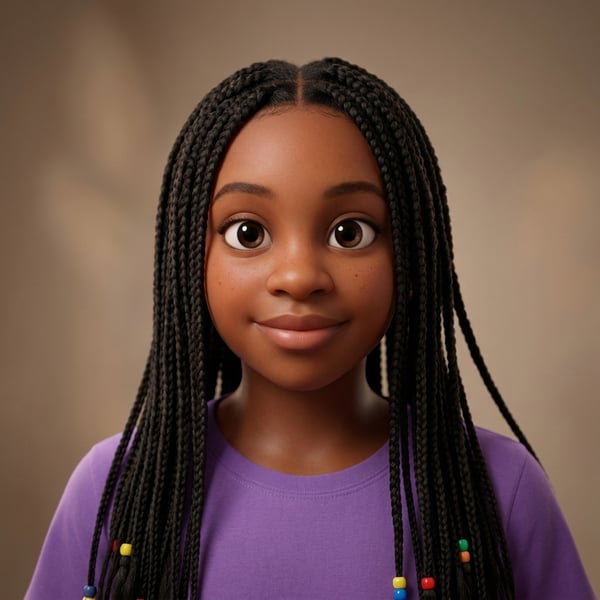 Long braids with beads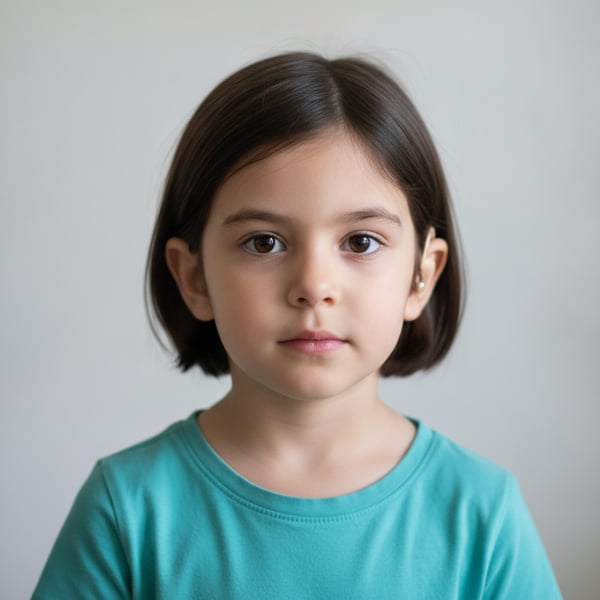
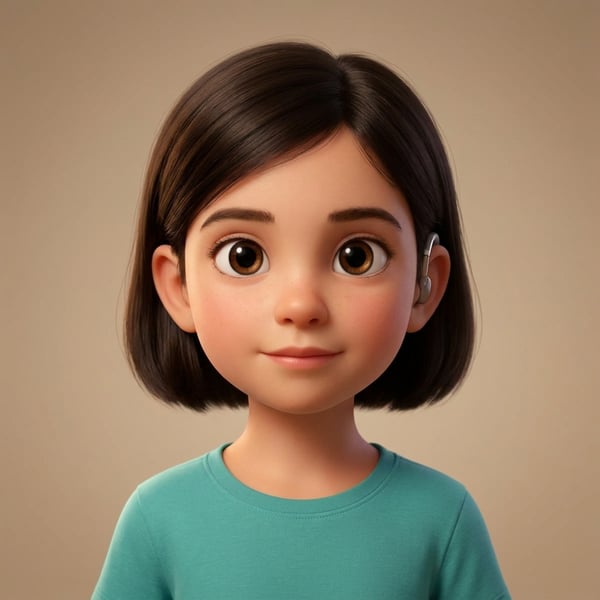 A visible hearing aid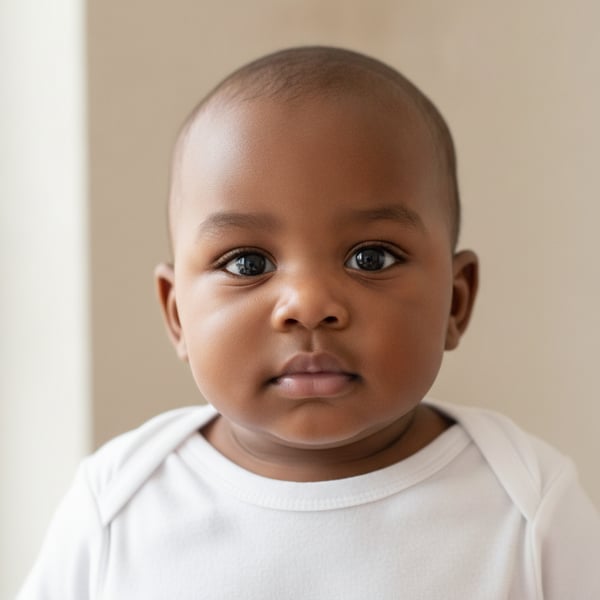
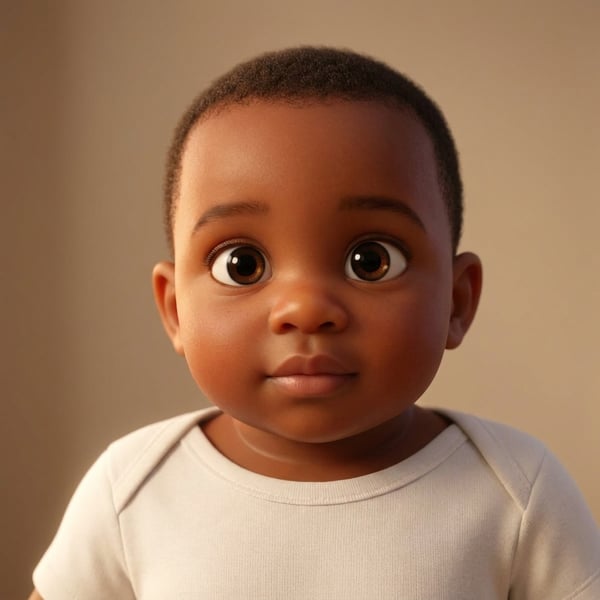 A baby with no hair
Skin tone, hair texture and freckles all carried through - including the cases most generators get wrong. See it up close
Last updated: