Read-aloud
Reading aloud is a different activity from a child reading to themselves, and the difference is what makes it useful. The adult carries the decoding, so the child's whole attention goes to meaning, and that lets a listener follow a story several years beyond what they could read alone.
That gap is the practical argument for continuing long after a child can read. A seven-year-old reading independently is working near the limit of their decoding, which caps the vocabulary and sentence complexity they meet. Read to, the same child comfortably follows language they will not be able to read for years.
The shared attention matters as much as the words. A book read aloud is a thing two people are doing at once, with pauses, questions and re-readings that belong to that pair rather than to the book. Children ask for the same story repeatedly partly for the story and partly for the arrangement it creates.
The most common obstacle is a child who will not sit still, and the usual mistake is treating that as a failure. Listening does not require stillness, and many children follow a story better while moving, drawing or fiddling with something. Reading to a child who is upside down on the sofa still counts.
Choosing well matters more than reading for long. Ten minutes of a book a child has chosen beats half an hour of one they are enduring, and a book in which the child is the main character removes the persuasion step entirely, which is why personalized stories often become the nightly request.
The term appears as read-aloud, reading aloud and shared reading, and in schools as story time. Dialogic reading is a more specific method in which the adult asks questions and the child does much of the talking, rather than simply listening.
Common questions
Why is reading aloud to children important?
Because the adult does the decoding, the child can follow language well beyond their own reading level - richer vocabulary, longer sentences and more complex stories than they could manage alone. The shared attention is a substantial part of the benefit too.
When should I stop reading aloud to my child?
Later than most people do. Independent reading caps a child at what they can decode, while listening does not, so reading aloud keeps offering something new well into primary school and often beyond, for as long as the child still wants it.
My child will not sit still while I read. Am I doing it wrong?
Almost certainly not. Listening does not require stillness, and plenty of children follow a story better while drawing, moving or fidgeting. Insisting on stillness usually costs more attention than it gains.
How long should a read-aloud session be?
Short and wanted beats long and endured. Ten minutes of a book the child chose is worth more than half an hour of one they are tolerating, and stopping while they still want more makes the next session easier.
Will it actually look like them?
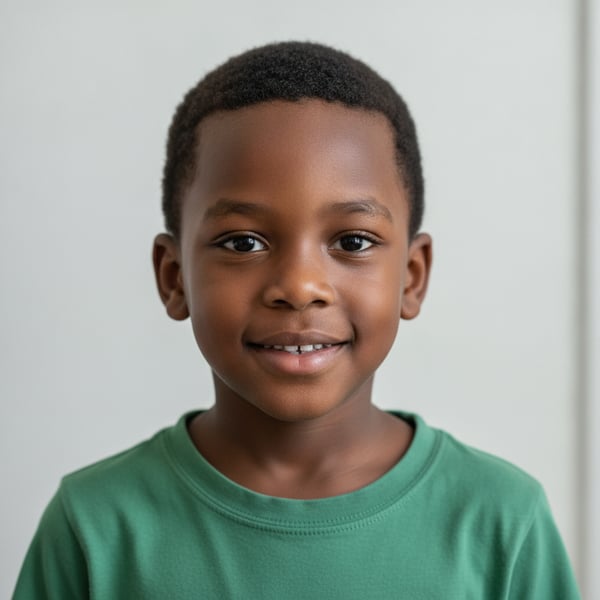
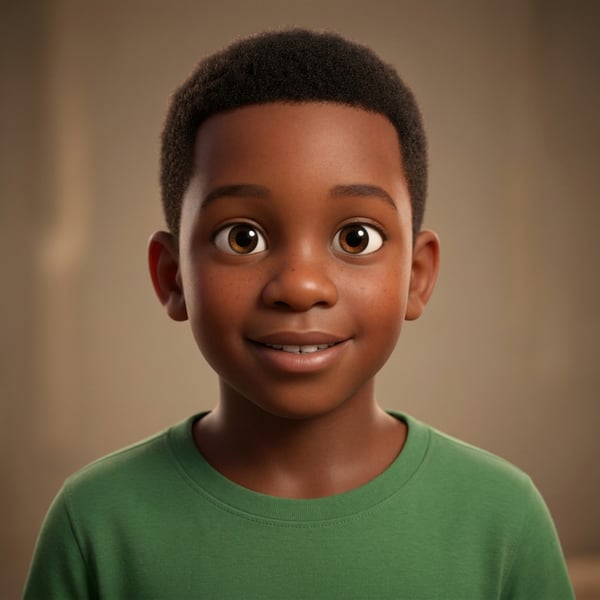 Deep brown skin, tightly coiled hair
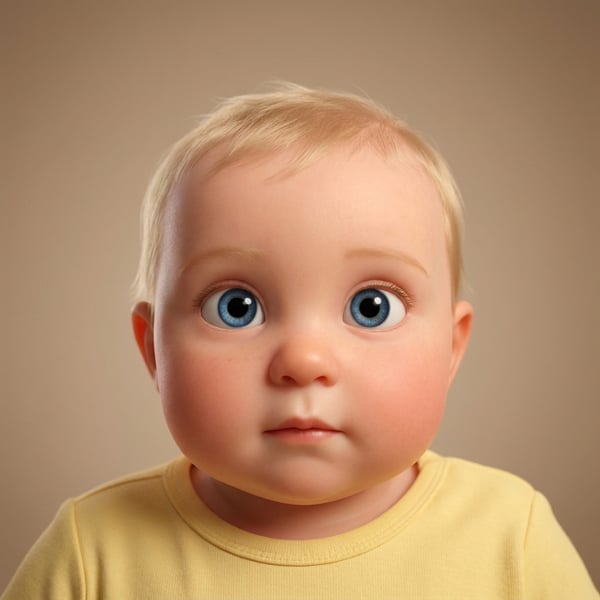 Fine, fair, barely-there hair
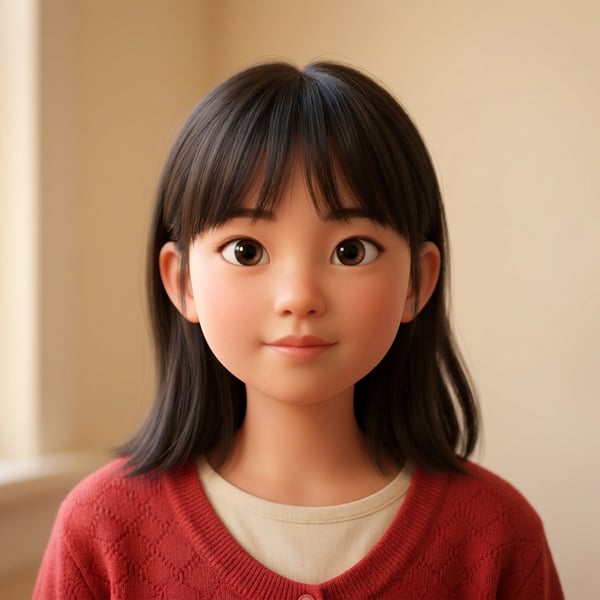 Straight black hair with a fringe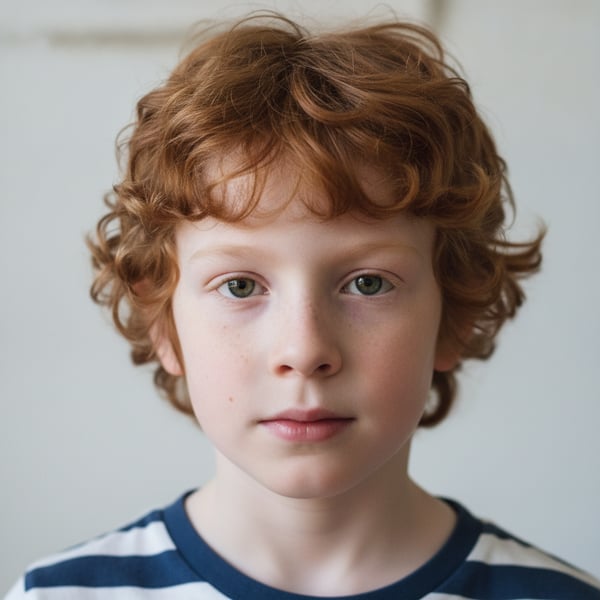
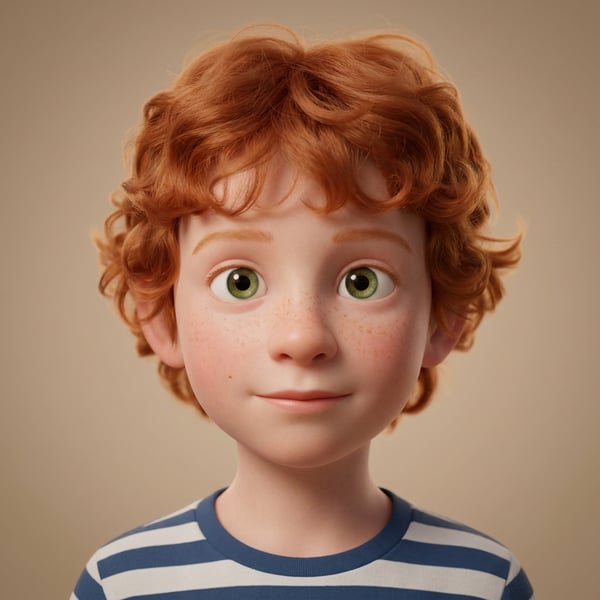 Curly ginger hair and freckles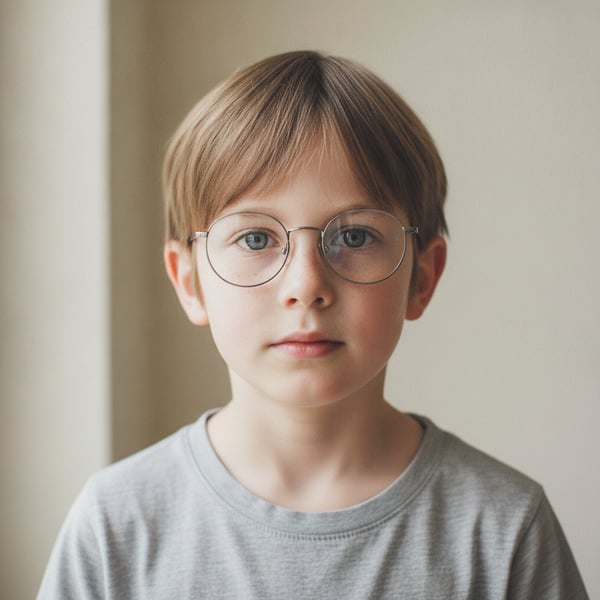
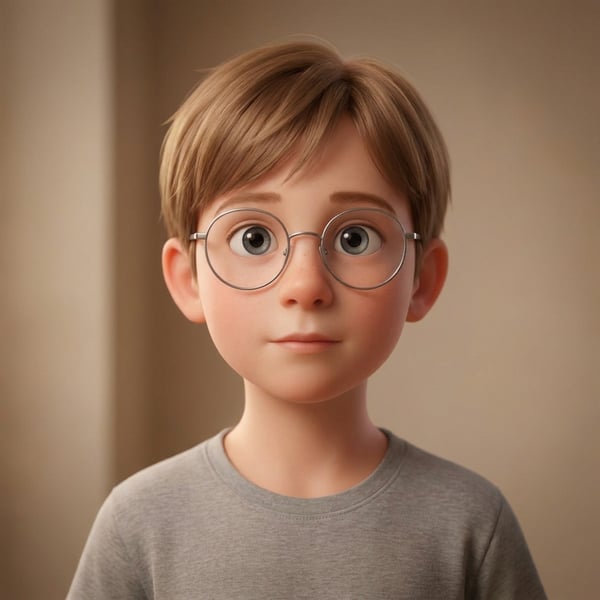 Round glasses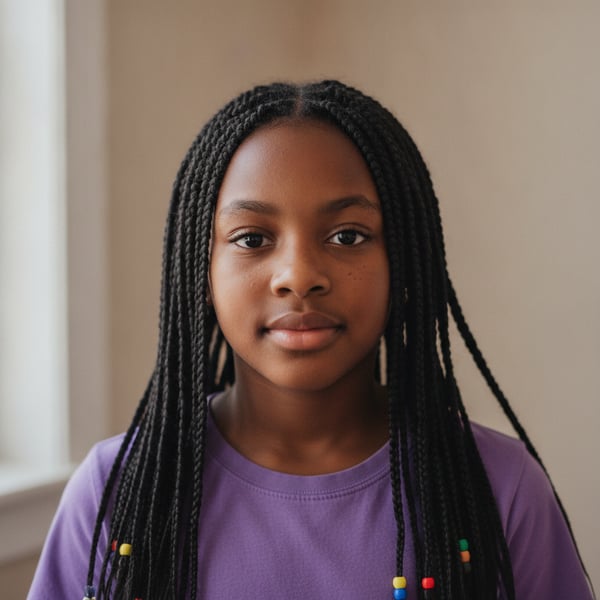
 Long braids with beads
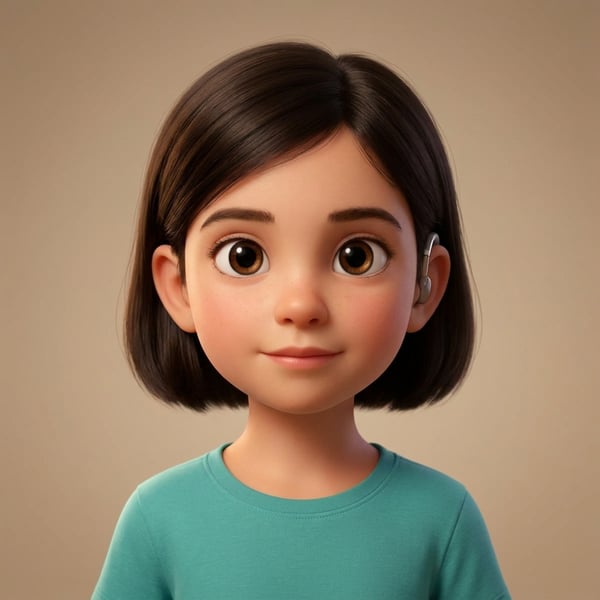 A visible hearing aid
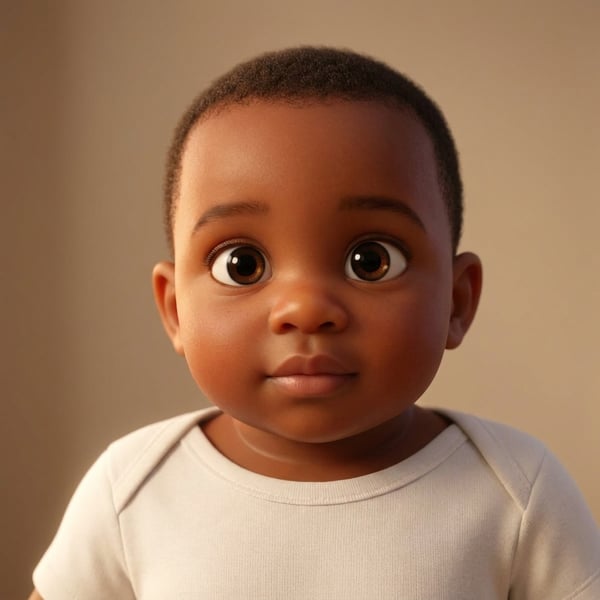 A baby with no hair
Skin tone, hair texture and freckles all carried through - including the cases most generators get wrong. See it up close
Last updated: