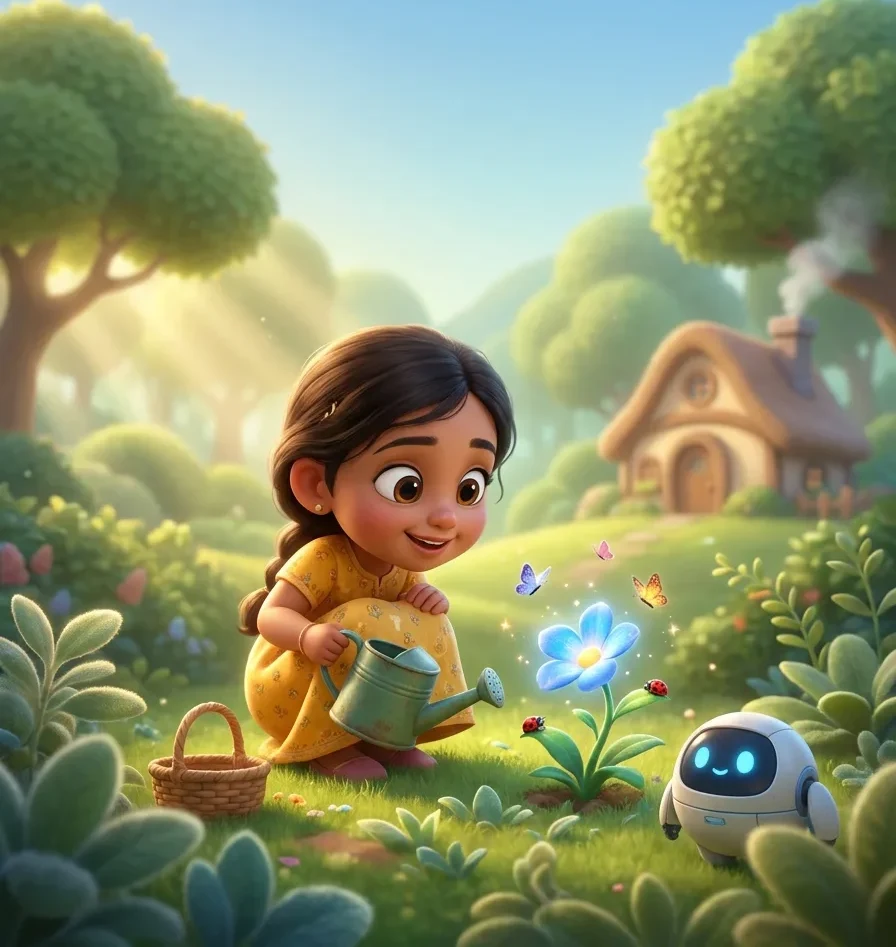
Your child plants one tiny seed and learns the quiet magic of patience.
Ages 2-8
From $14.90
Stories where noticing the good thing is the whole adventure.
Gratitude is the one that goes wrong most often when it is taught directly, because a prompted thank-you is a performance and children know it. What works better is practice at noticing - and noticing is a skill you can build in the two minutes before sleep, not a value you can install. A story where the hero is your own child, working out on their own that the ordinary day contained something worth keeping, does more than a hundred reminders to say thank you.
This is not about please and thank you. It is about spotting the good bit, which is the part that lasts.
Three good things at bedtime works because it happens every night, not because it is profound.
Once a child can remember what happened earlier in the day, they can start naming the best of it.
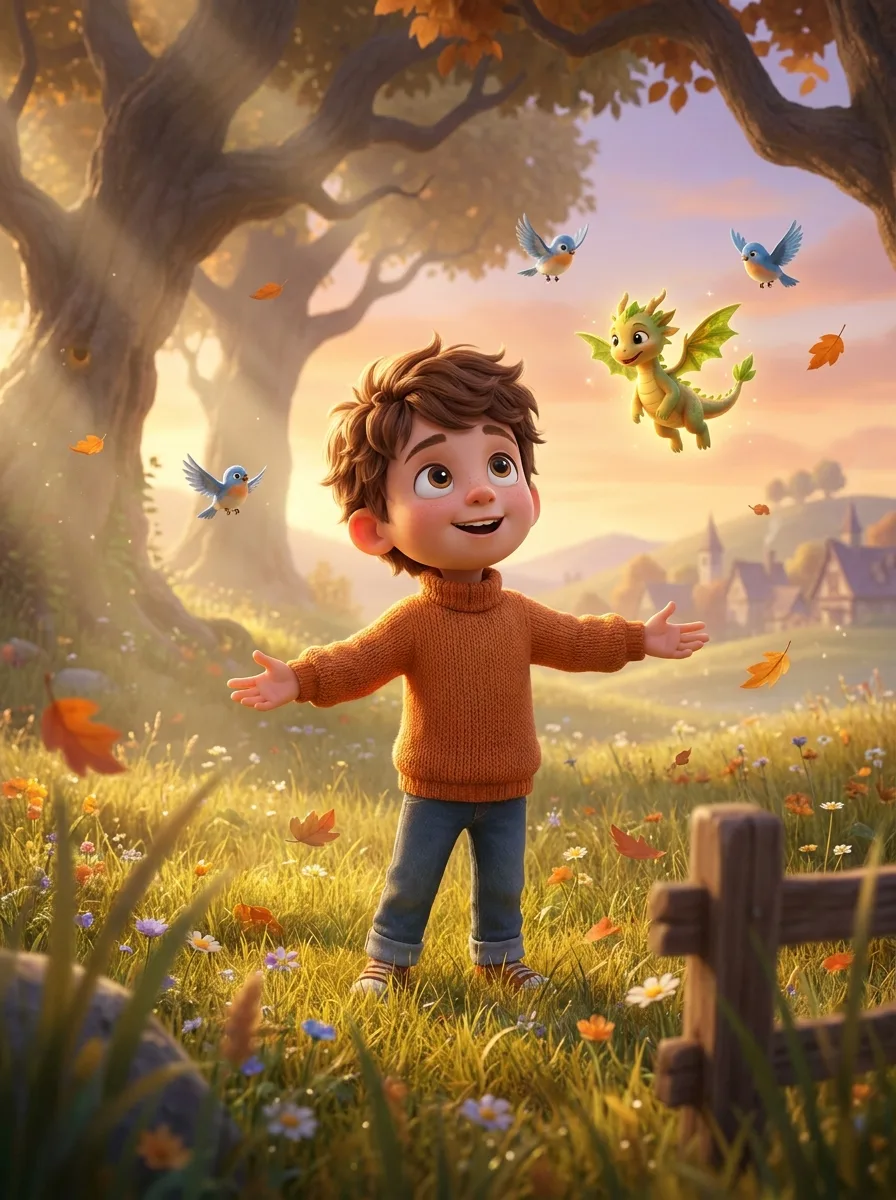
Your child plants one tiny seed and learns the quiet magic of patience.
Ages 2-8
Your child sets out to say thank you to the whole wide world.
Ages 2-8
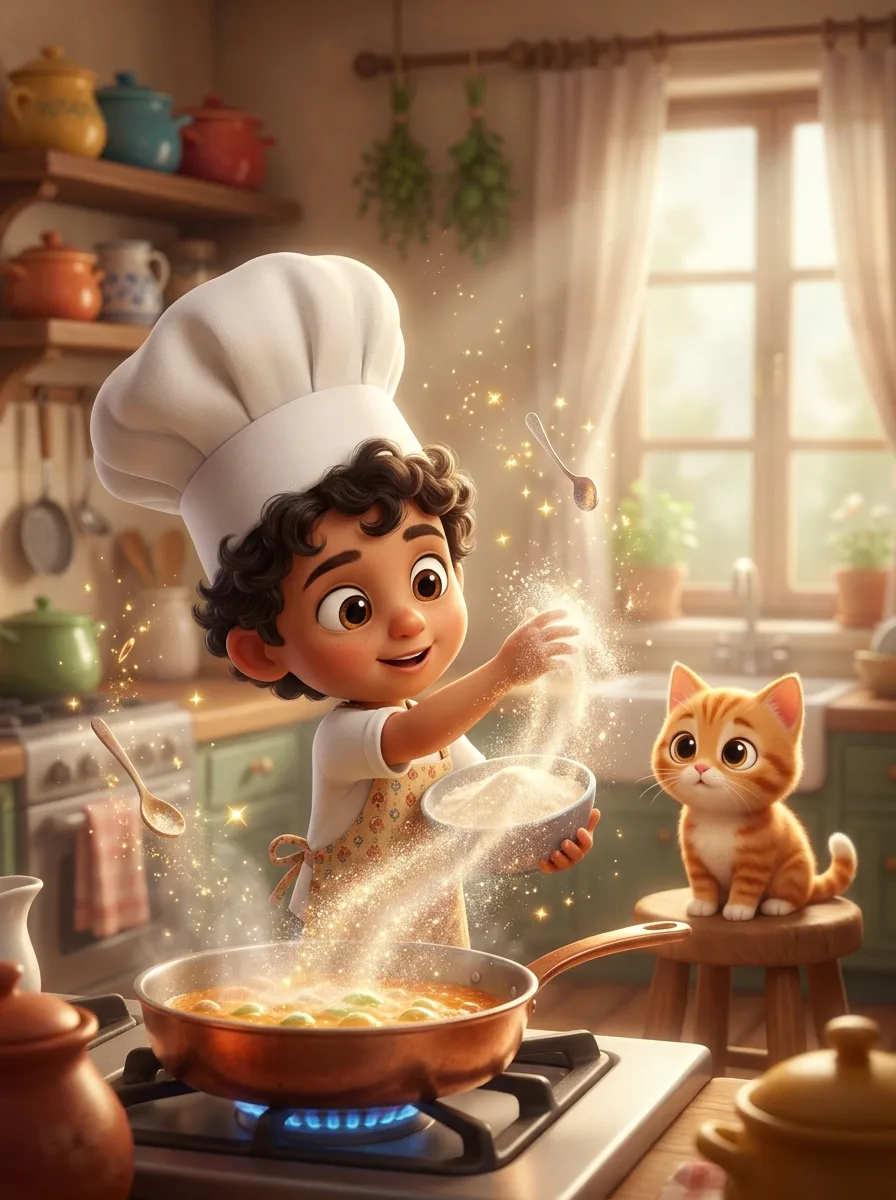
Tonight the kitchen belongs to your child! A deliciously fun story of flour clouds, bubbling pots, and the secret ingredient that makes everything taste like magic..
Ages 4-8
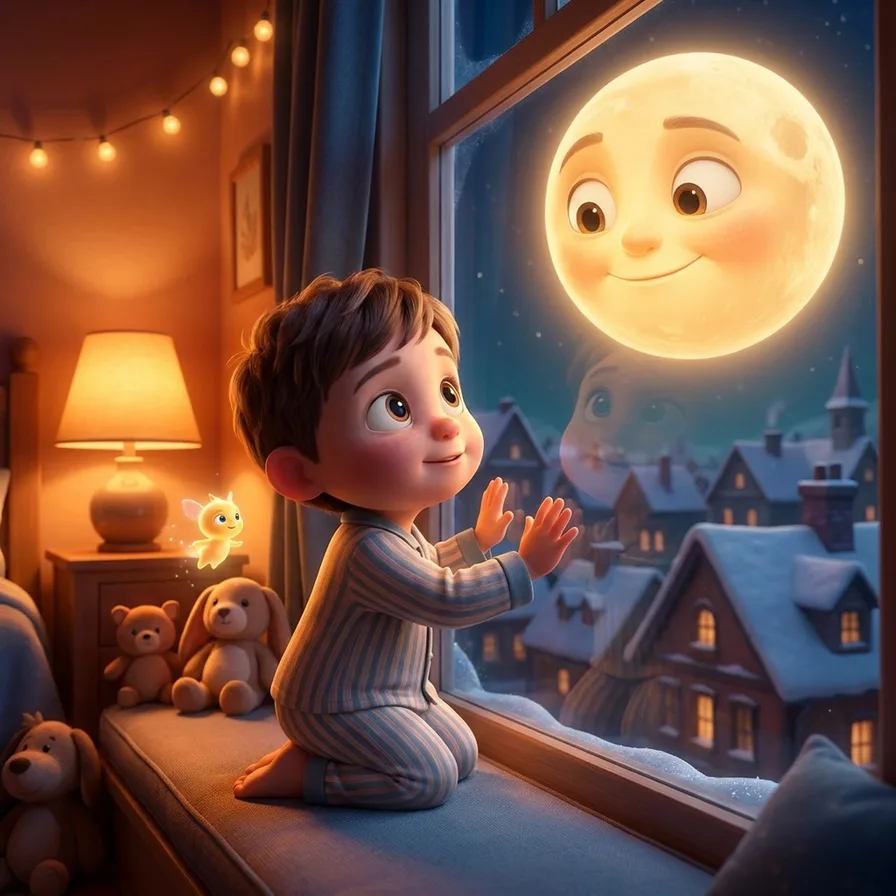
Every night your child names three good things from the day, and the moon listens to every one.
Ages 2-8
Your child lives one way, and someone who loves them lives a long way the other.
Ages 2-8
Mostly by modelling it and by making noticing a habit rather than a rule - naming a few good things from the day, out loud, at the same time each evening. A story gives you the opening; the routine does the work.
If they can tell you something that happened earlier today, they are old enough to tell you the best thing that happened today. That is usually around three.
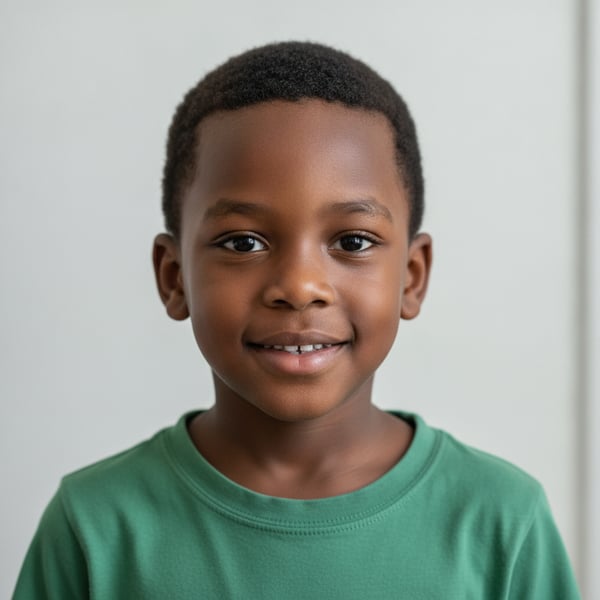
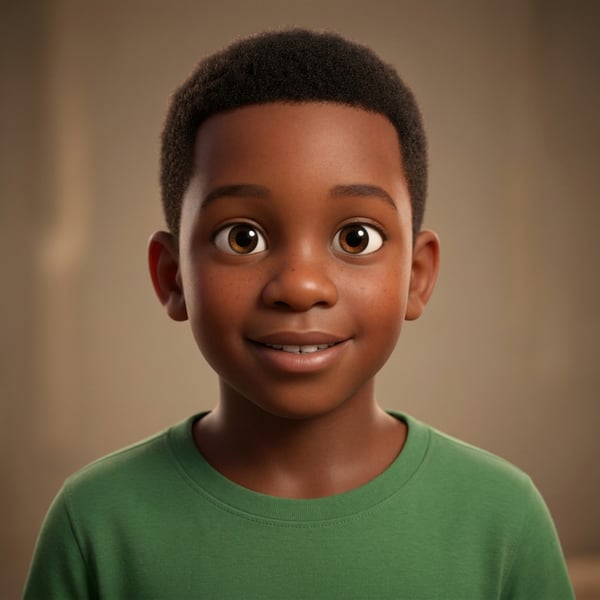 Deep brown skin, tightly coiled hair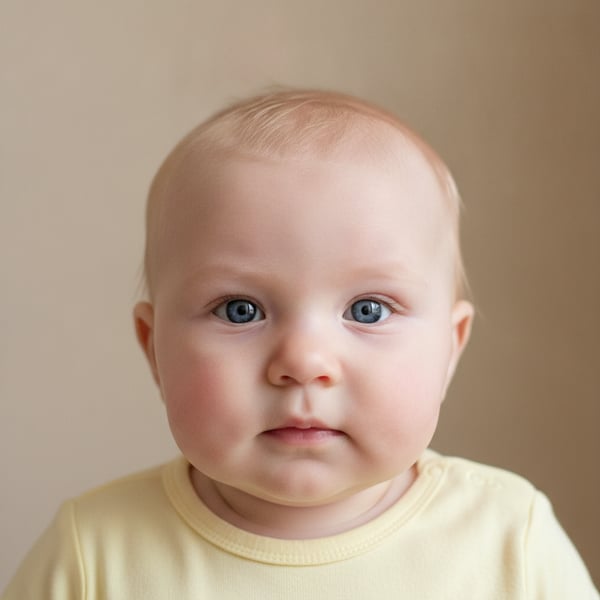
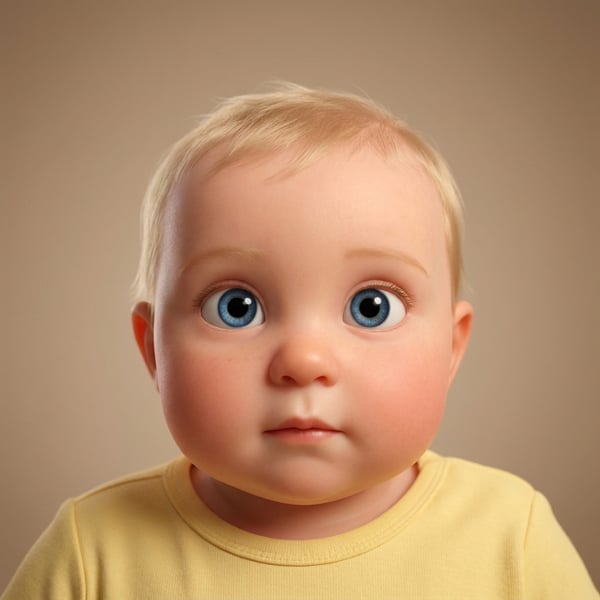 Fine, fair, barely-there hair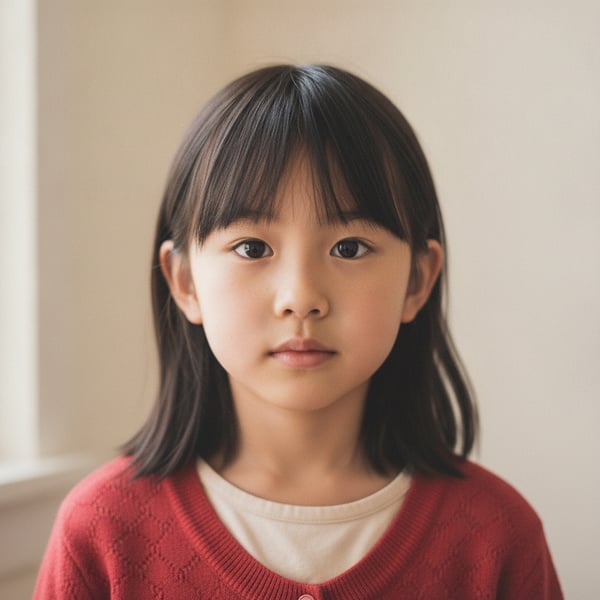
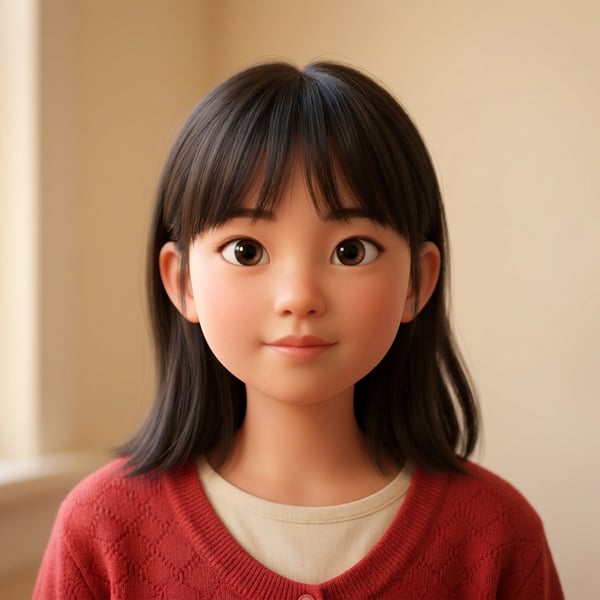 Straight black hair with a fringe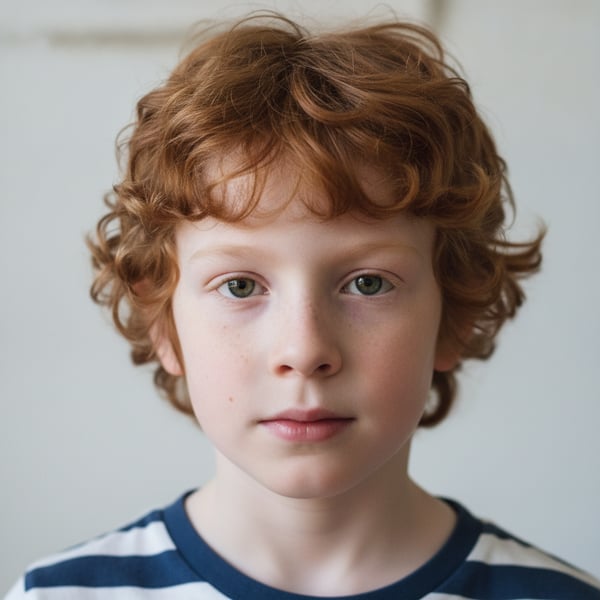
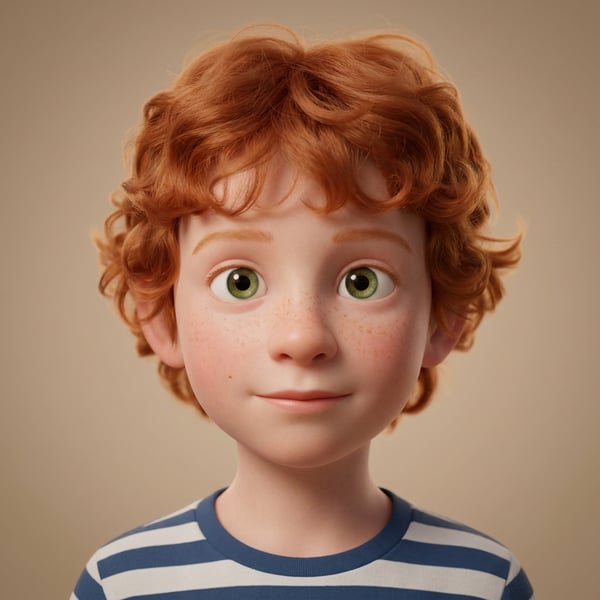 Curly ginger hair and freckles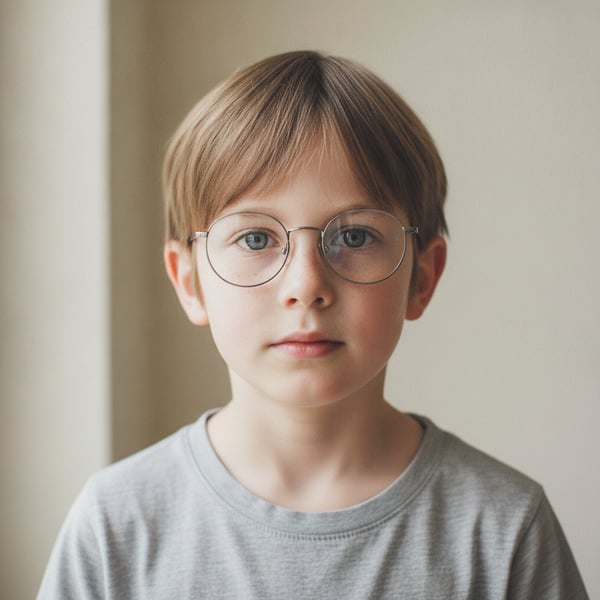
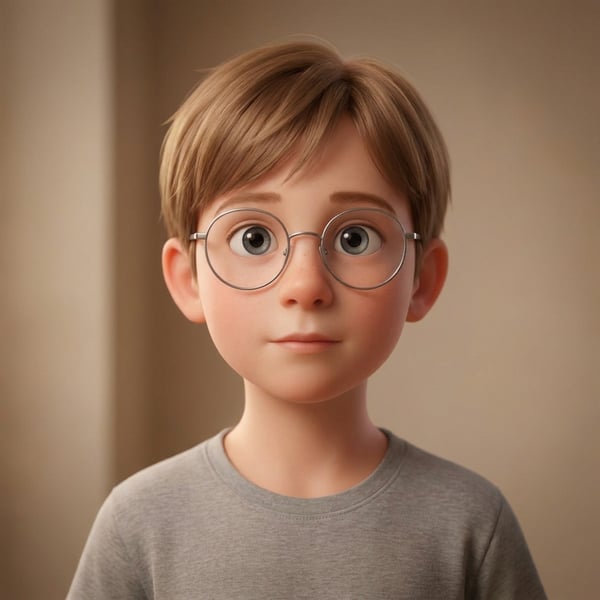 Round glasses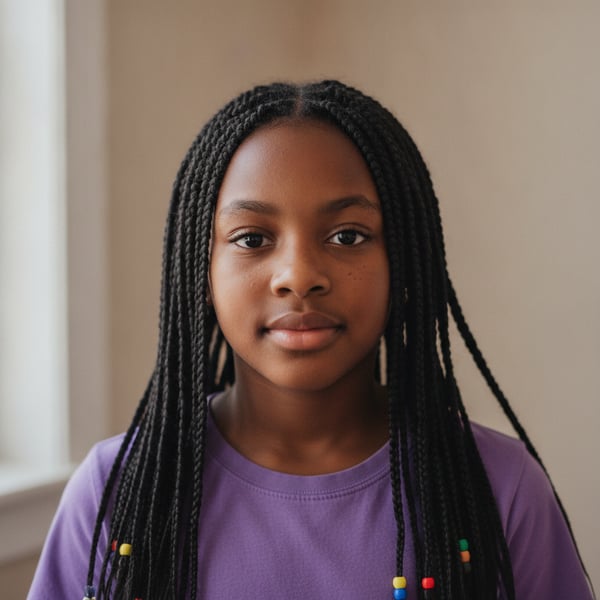
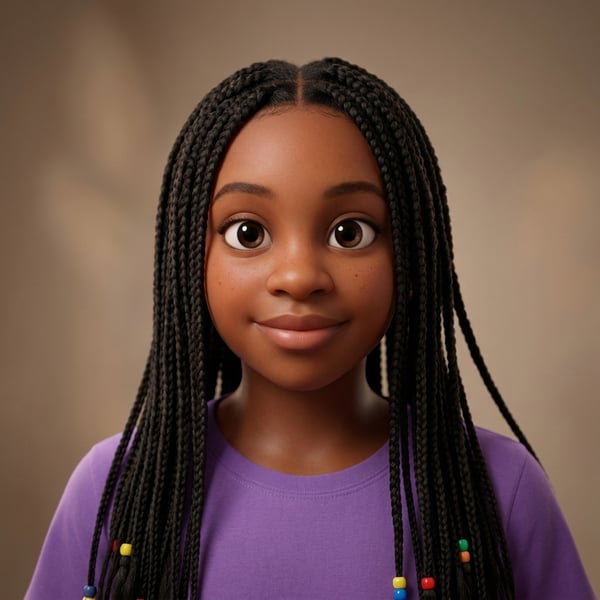 Long braids with beads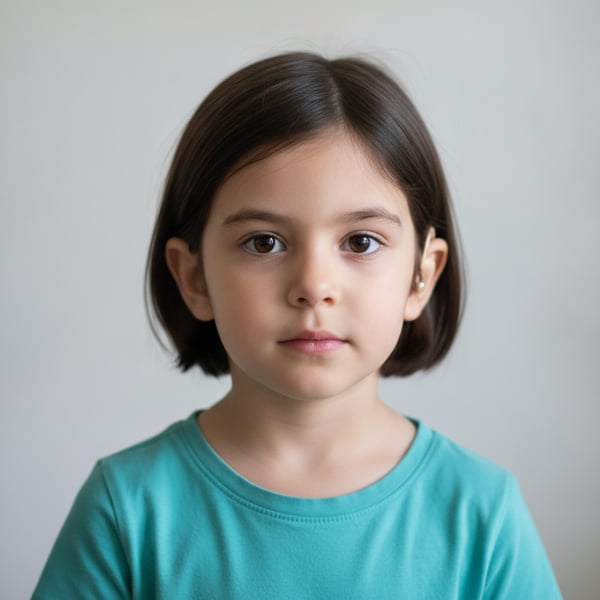
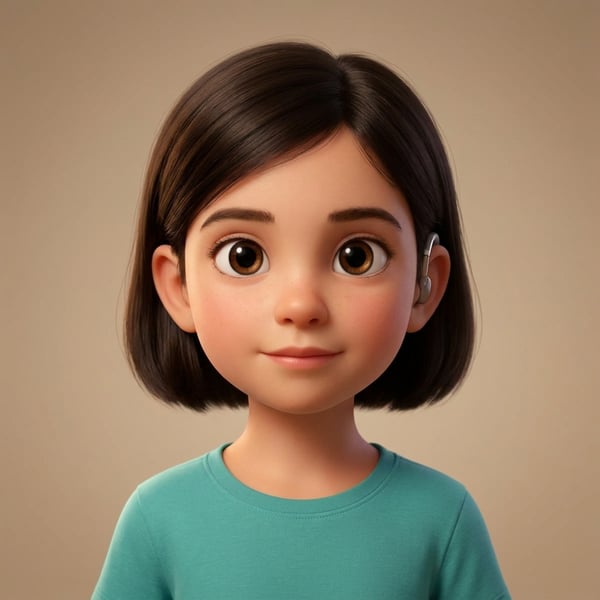 A visible hearing aid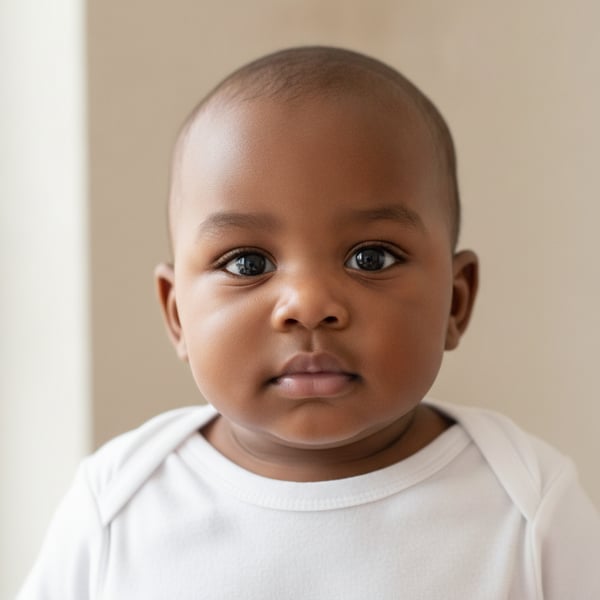
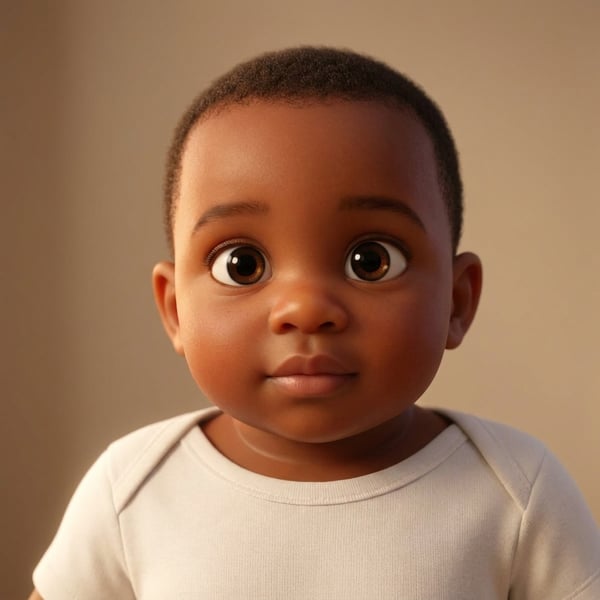 A baby with no hair
Skin tone, hair texture and freckles all carried through - including the cases most generators get wrong. See it up close
Last updated:
Make them the hero of the story.
Shop the collection