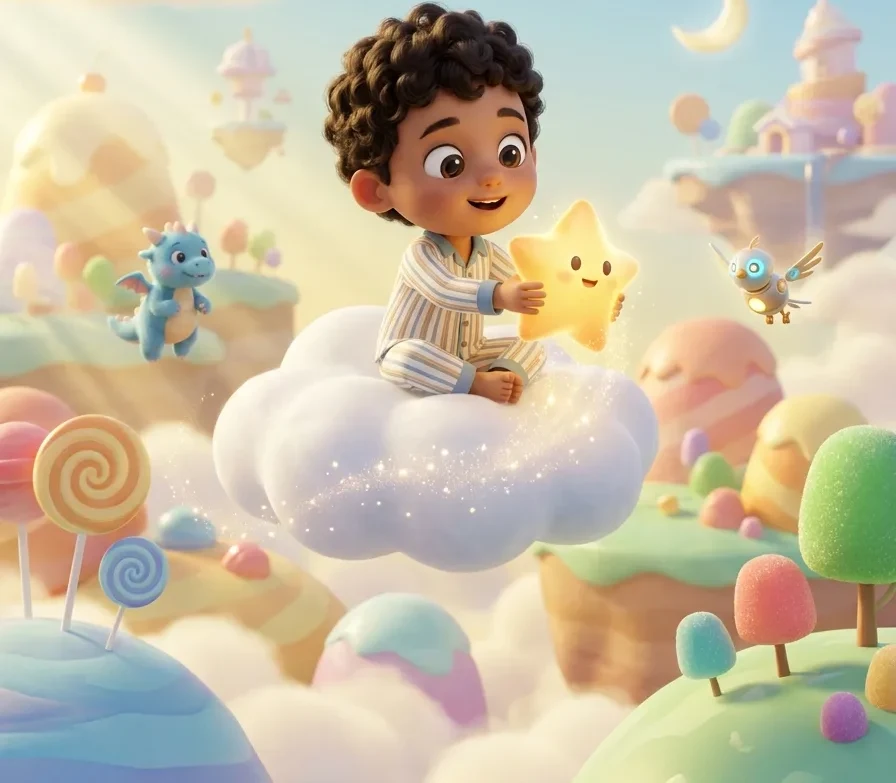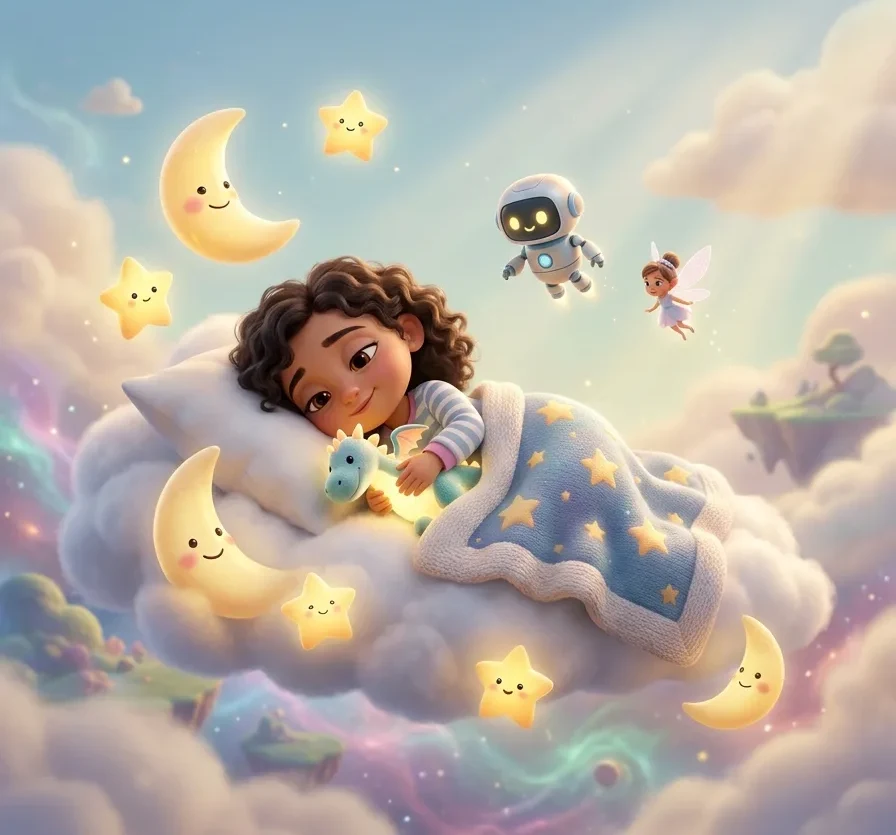
A slow, cozy journey to dreamland where your child says goodnight to the whole wide world.
Ages 0-6
From $14.90
For the open door, the hall light, and the third glass of water.
Being frightened of the dark is not a problem to be corrected - it arrives in most children somewhere around three, when their imagination gets good enough to fill a dark room, and it usually leaves on its own. What helps in the meantime is not reassurance that there is nothing there, which a child hears as an argument they are losing. What helps is a version of the dark that has something friendly in it, met on an ordinary evening with the lights still on, starring a child who looks like them.
A story does not have to prove the room is safe. It just has to put something gentle in it.
While the room is still bright. A book produced in the middle of a frightened night reads as a tactic.
It tends to arrive with a bigger imagination and leave on its own. This is a companion, not a cure.
A slow, cozy journey to dreamland where your child says goodnight to the whole wide world.
Ages 0-6
The moment your child falls asleep, a whole world of dreams swings open.
Ages 2-6
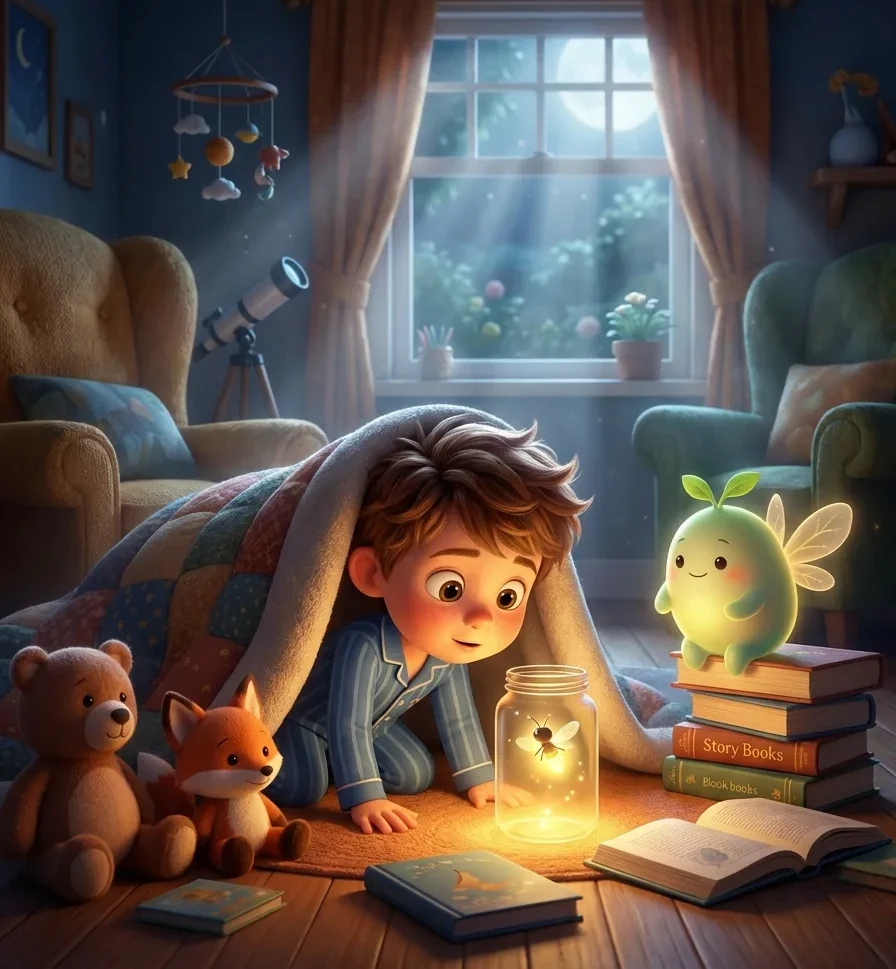
When the lights go out, your child meets a friendly little glow that turns shadows into wonders.
Ages 2-6
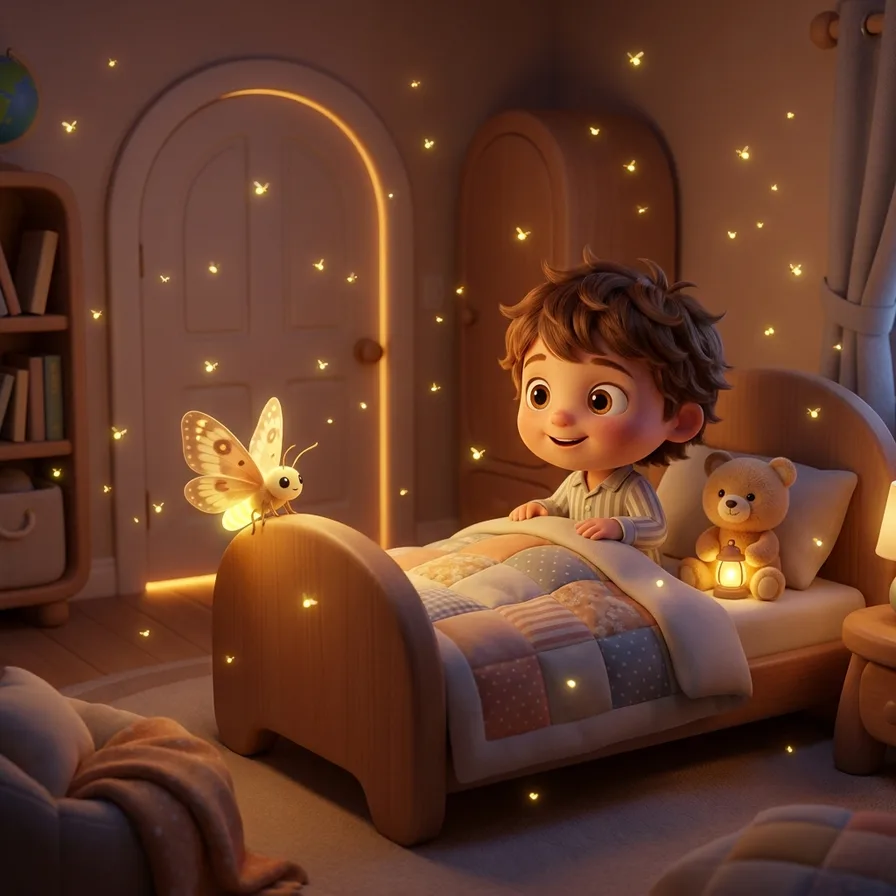
When the night light flickers out, your child discovers the dark is not empty at all - it is full of small, glowing, friendly things.
Ages 2-8
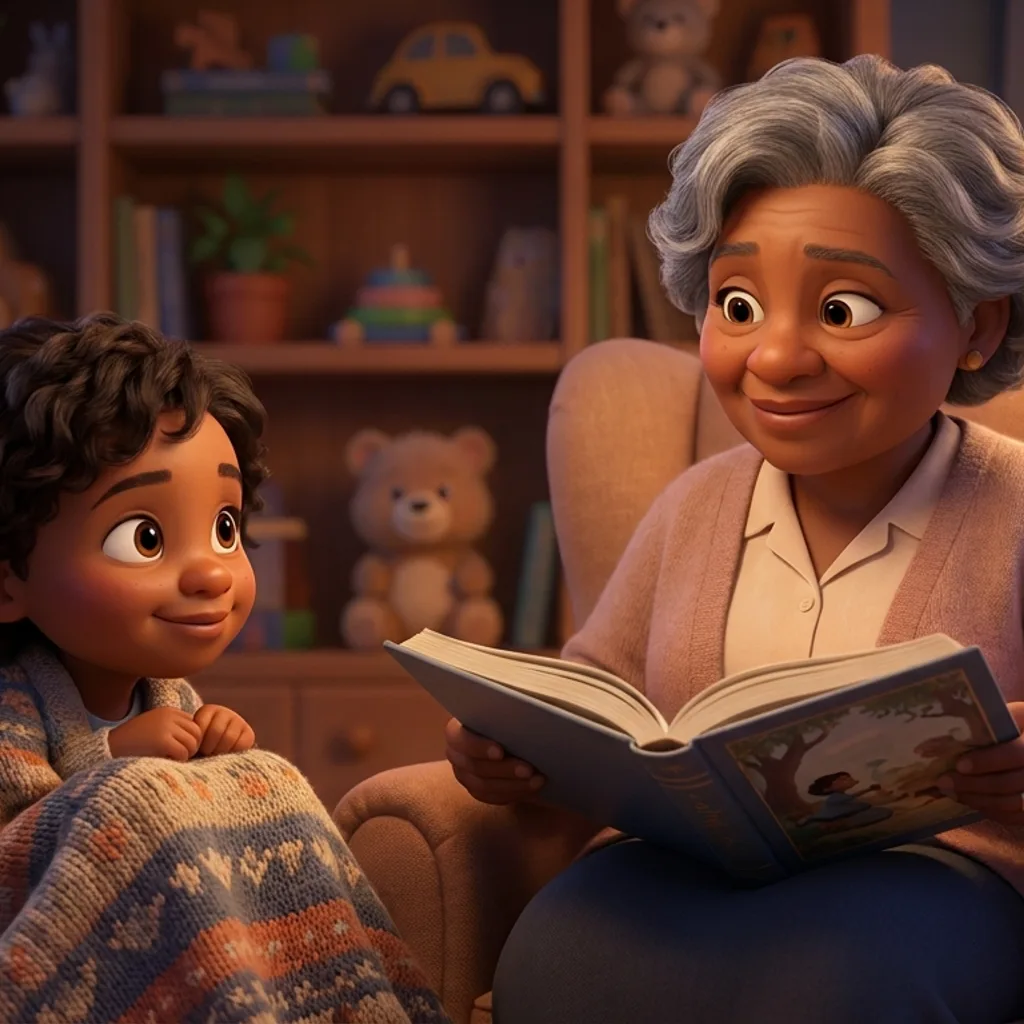
There is one chair, one blanket, and one voice that makes the dark feel smaller.
Ages 0-6
Most children grow out of it. Until then the things that reliably help are a predictable routine, a dim light if they want one, and not treating the fear as something to be talked out of. A story gives them a friendlier picture of the dark to hold onto.
Very - it usually appears around three and fades over the following couple of years. If it is getting worse rather than better, or it is affecting their sleep or their days, that is worth a conversation with your GP or paediatrician.
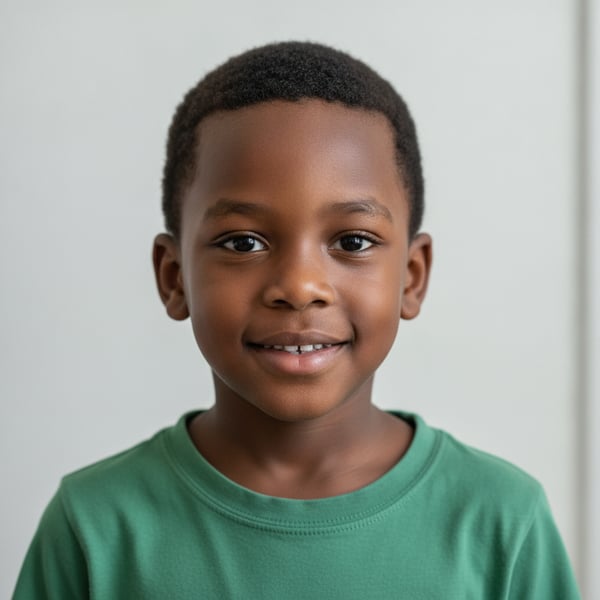
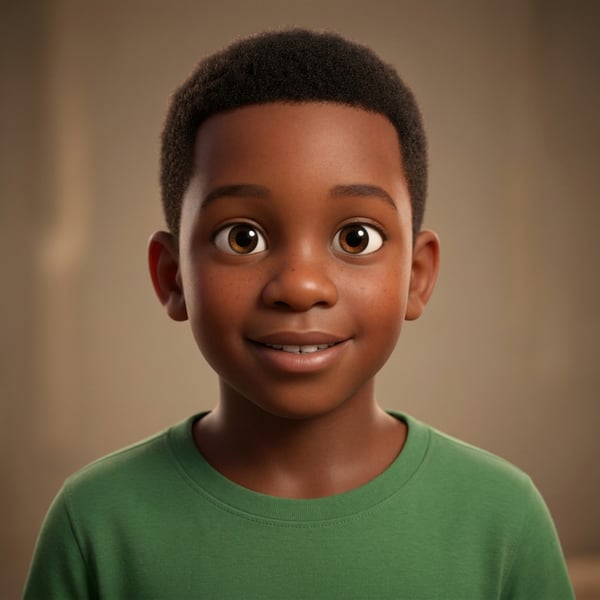 Deep brown skin, tightly coiled hair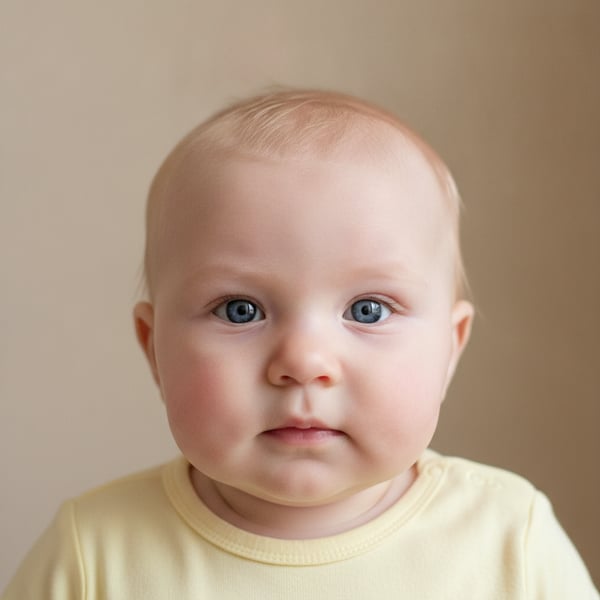
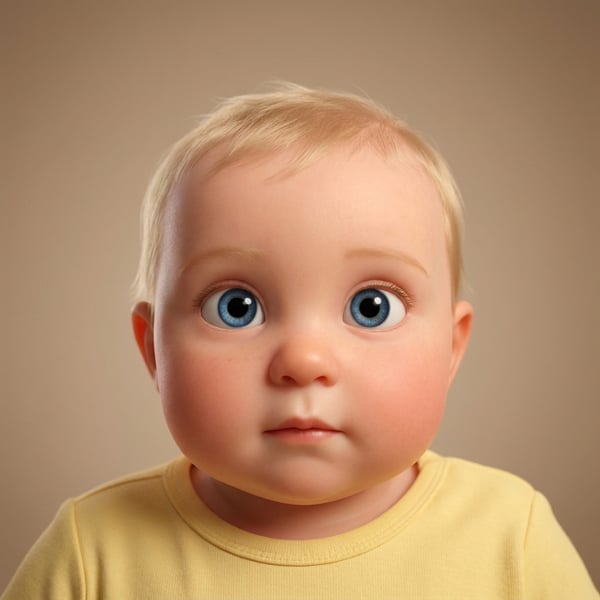 Fine, fair, barely-there hair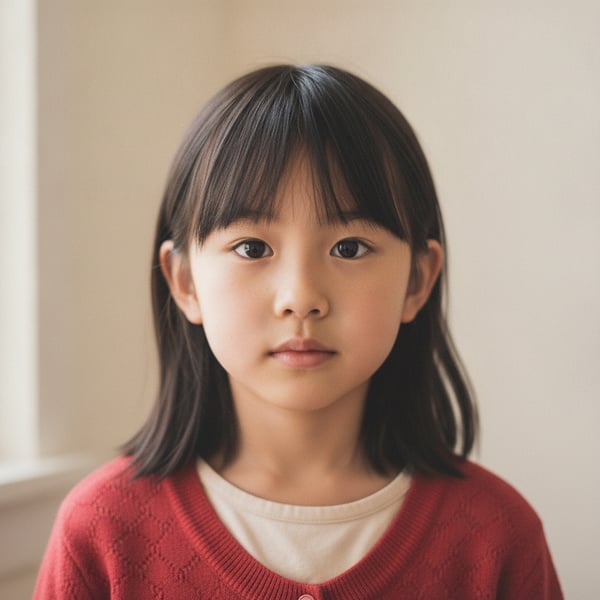
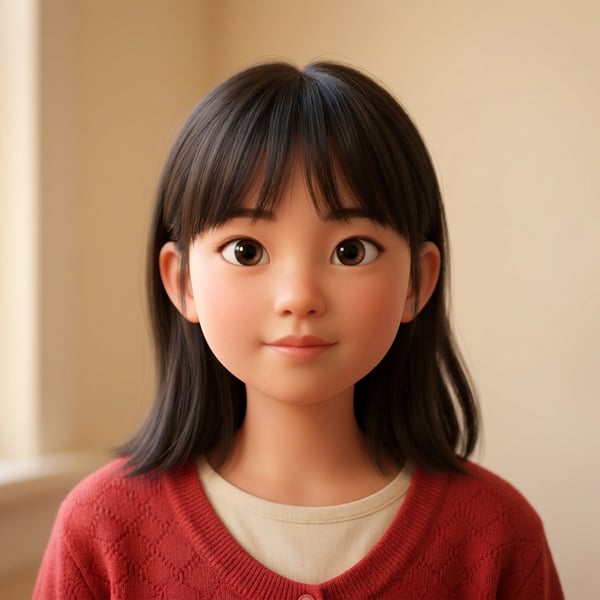 Straight black hair with a fringe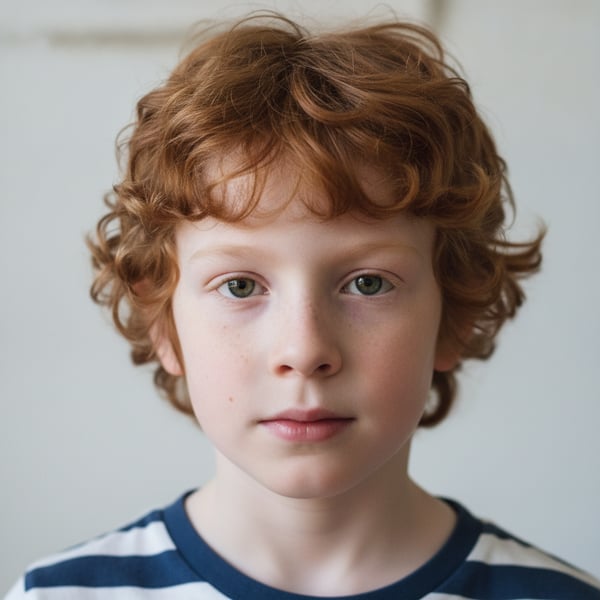
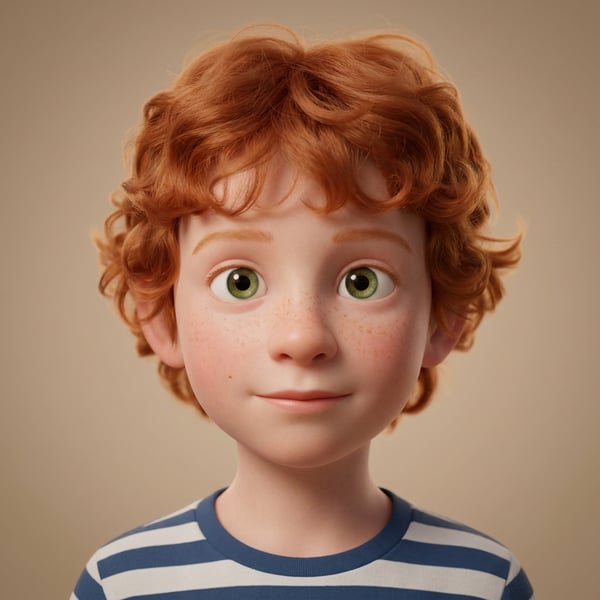 Curly ginger hair and freckles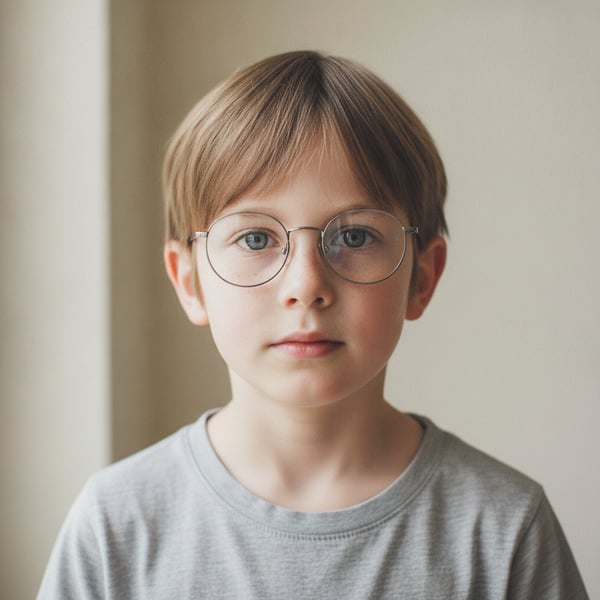
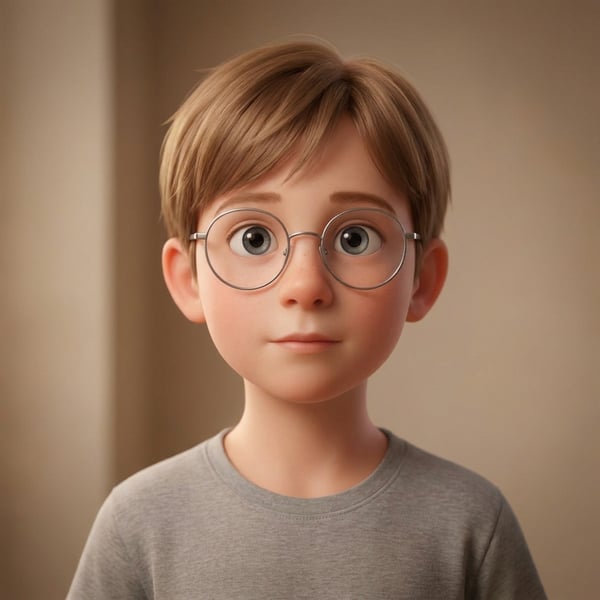 Round glasses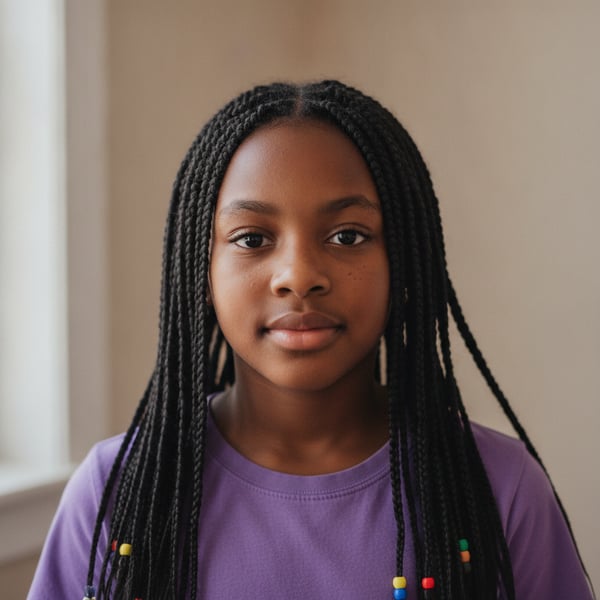
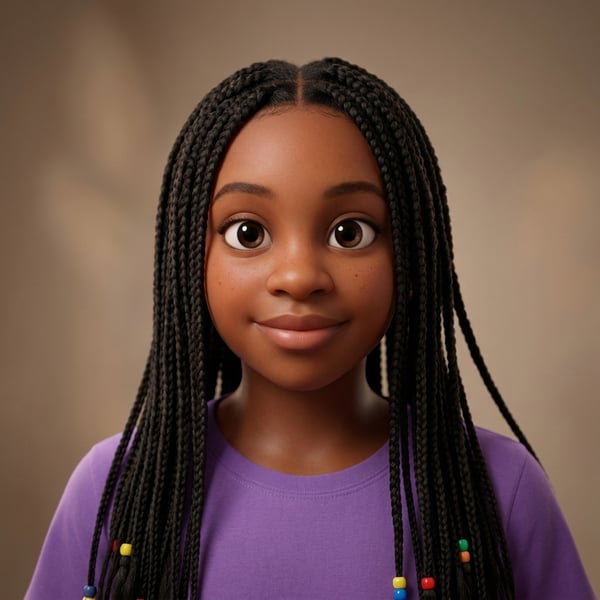 Long braids with beads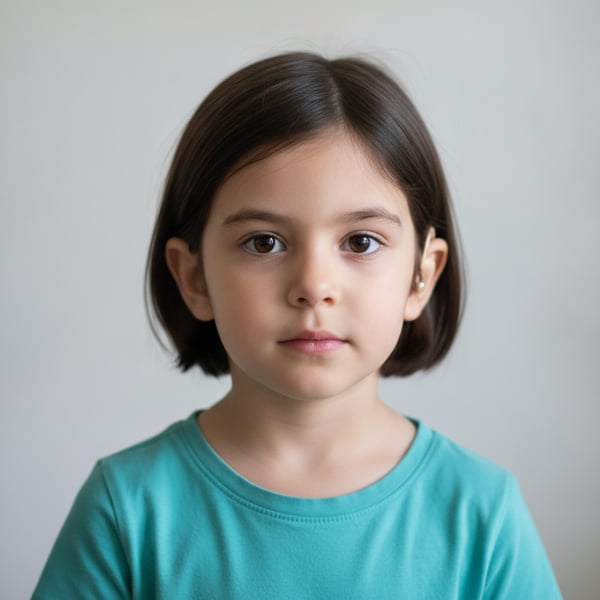
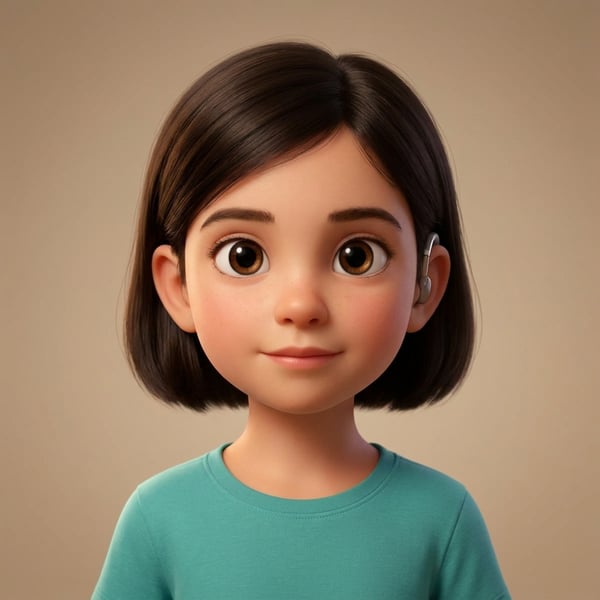 A visible hearing aid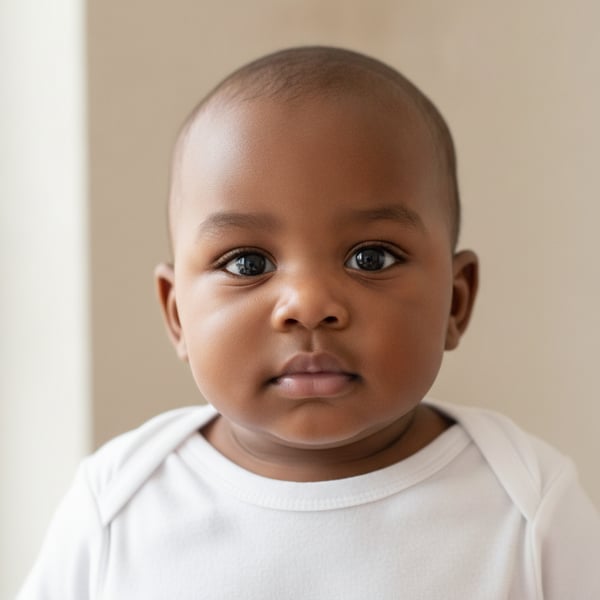
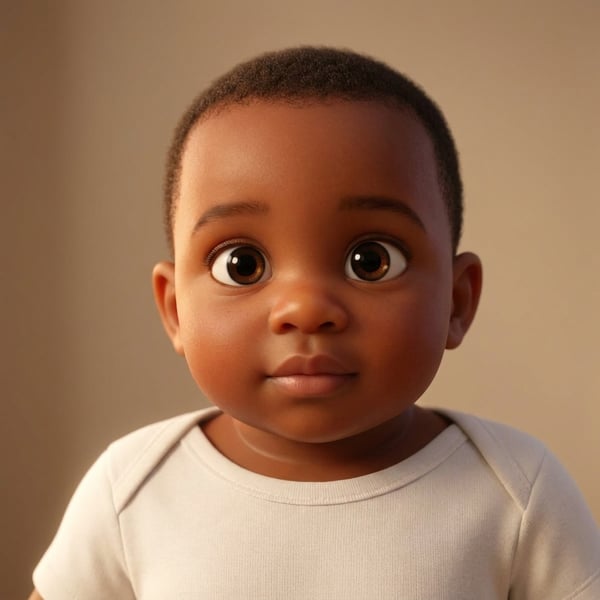 A baby with no hair
Skin tone, hair texture and freckles all carried through - including the cases most generators get wrong. See it up close
Last updated:
Make them the hero of the story.
Shop the collection