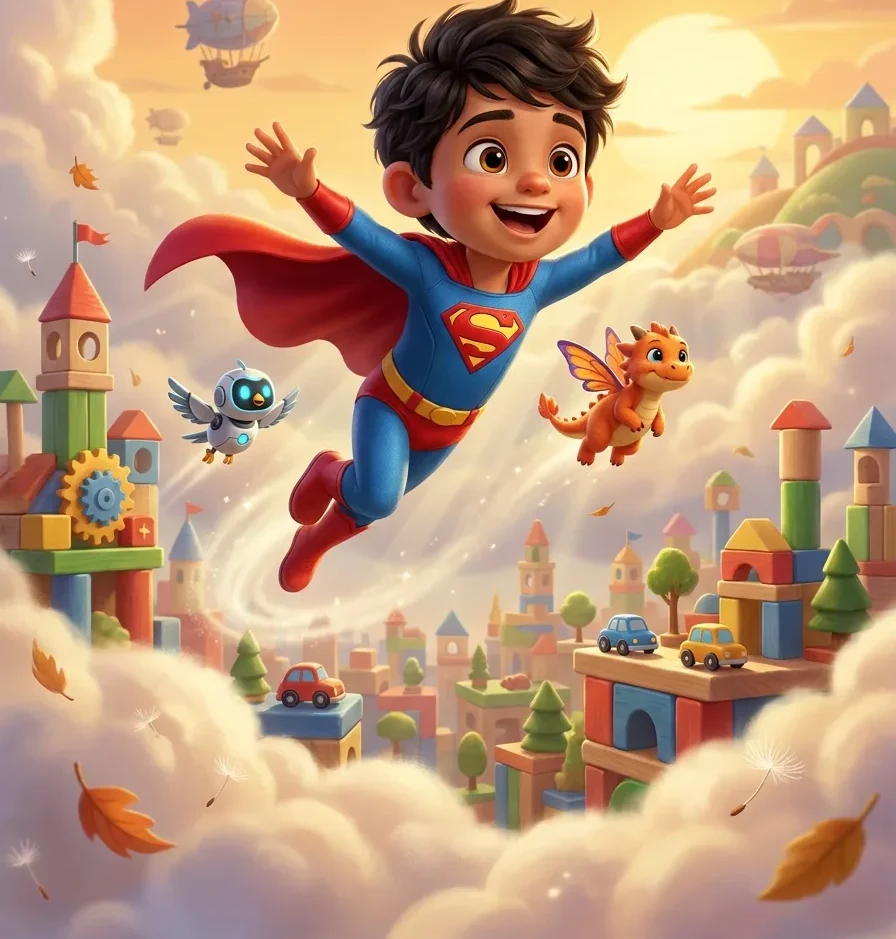
Your child discovers an extraordinary power - and an even bigger heart.
Ages 4-8
From $14.90
For the child who shuts the book on page two, and the parent who has tried every reward chart going.
You cannot make a child enjoy reading. Teresa Cremin, Professor of Education at the Open University, puts it exactly: we cannot require young people to read in their leisure time nor insist they enjoy it - we can only invite, inspire and engage them in reading for their own purposes. Which sounds like a dead end until you notice what it rules out and what it leaves. It rules out the sticker chart. What it leaves is interest, because choice and reader interest significantly enhance intrinsic motivation and engagement - and there is no subject a five-year-old is more interested in than themselves. Separately, Cunningham and colleagues found children as young as four remember material better when they have encoded it in relation to themselves rather than to another child. Put those together and a book with your child in it is not a cure for reluctance. It is the book with the best odds of being finished, which after eleven abandoned ones is a different and more useful thing.
A reluctant reader gives a book about ninety seconds. The titles here start with something happening, not with a description of a meadow.
A book about the thing they are obsessed with, slightly too hard, beats a perfectly levelled book about nothing they care about.
Not a habit, not a love of literature. One book they got to the end of, so that the next one starts from a different place.
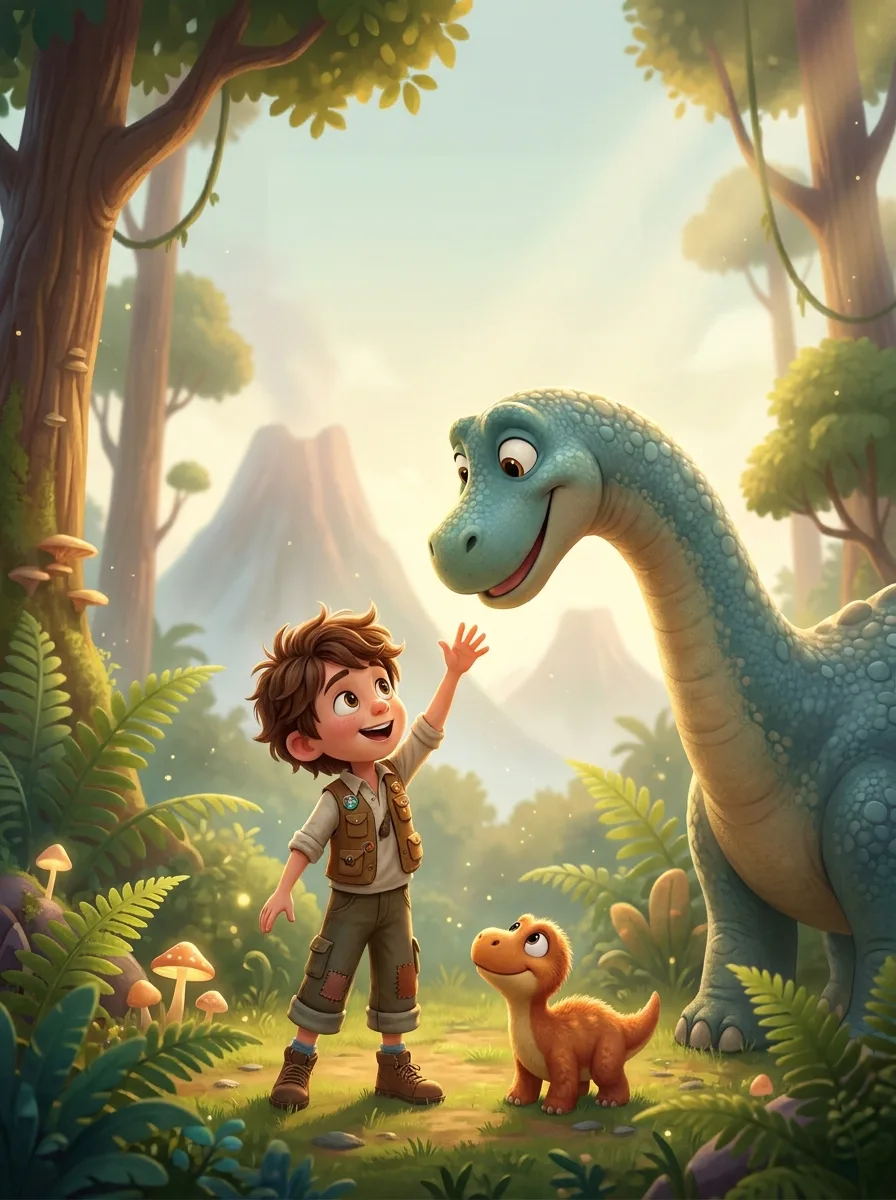
Your child discovers an extraordinary power - and an even bigger heart.
Ages 4-8
Your child blasts off on a journey across the stars.
Ages 4-8
Your child travels back to the age of gentle giants.
Ages 4-8
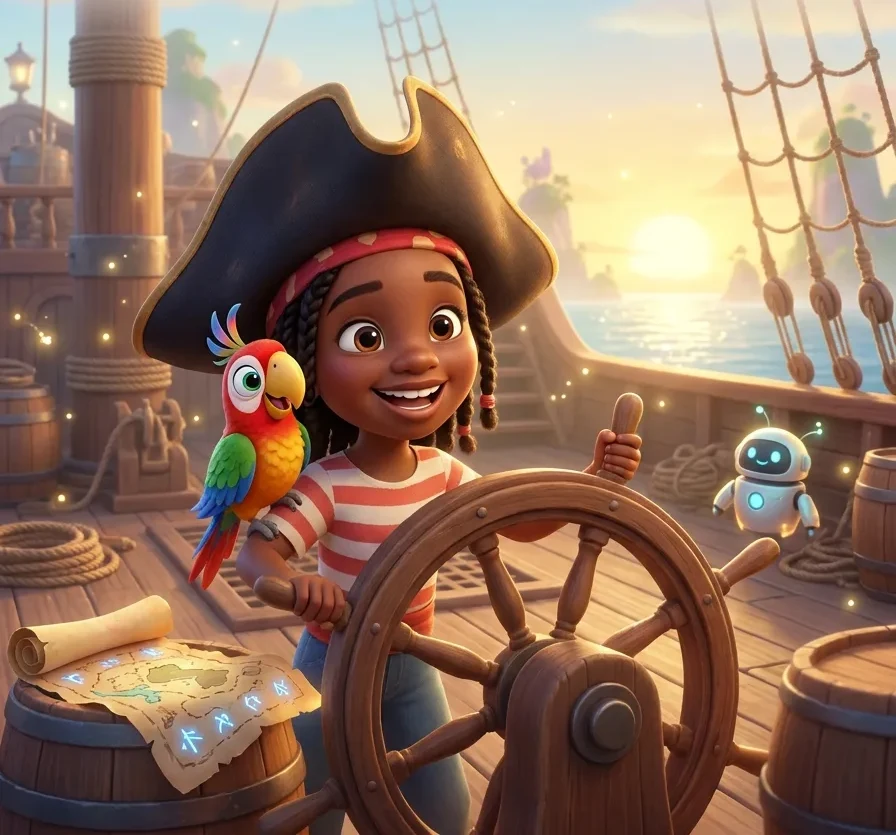
Your child sets sail in search of hidden treasure, with a clever parrot as first mate.
Ages 4-8
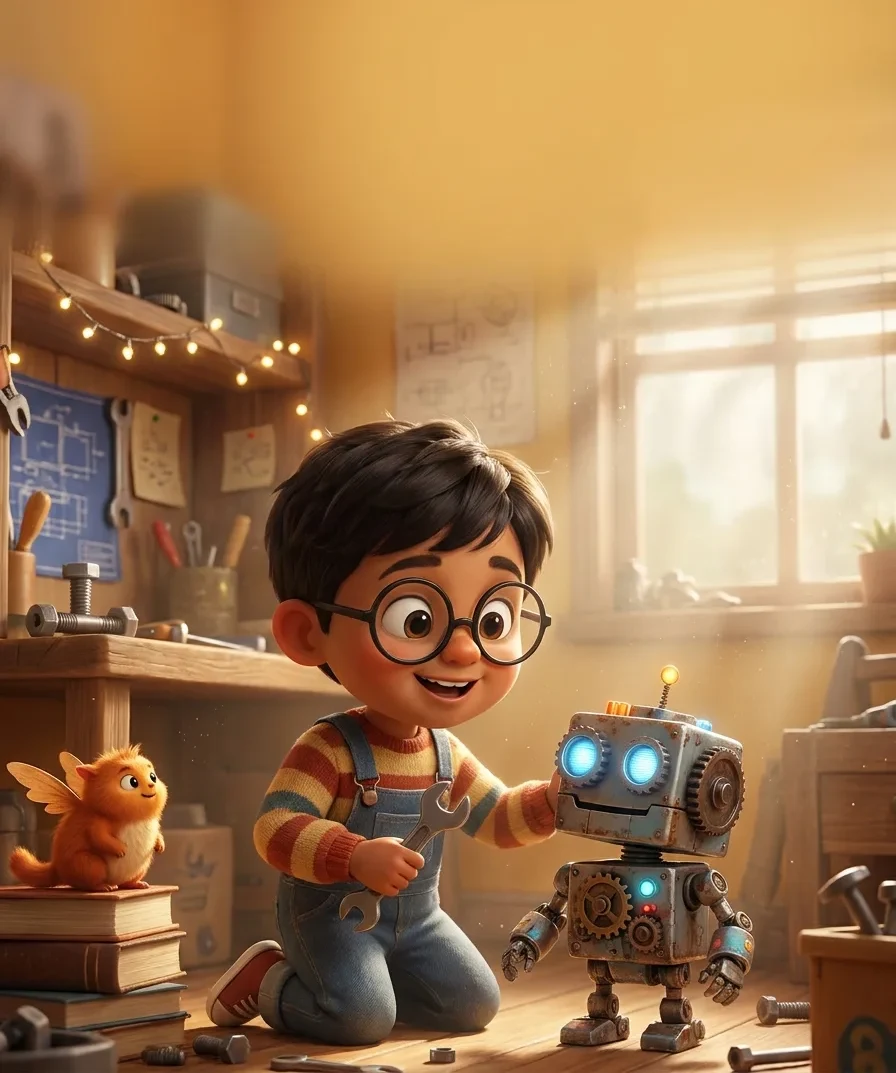
Your child builds a clunky little robot that beeps to life and becomes the best friend a kid could invent.
Ages 2-8
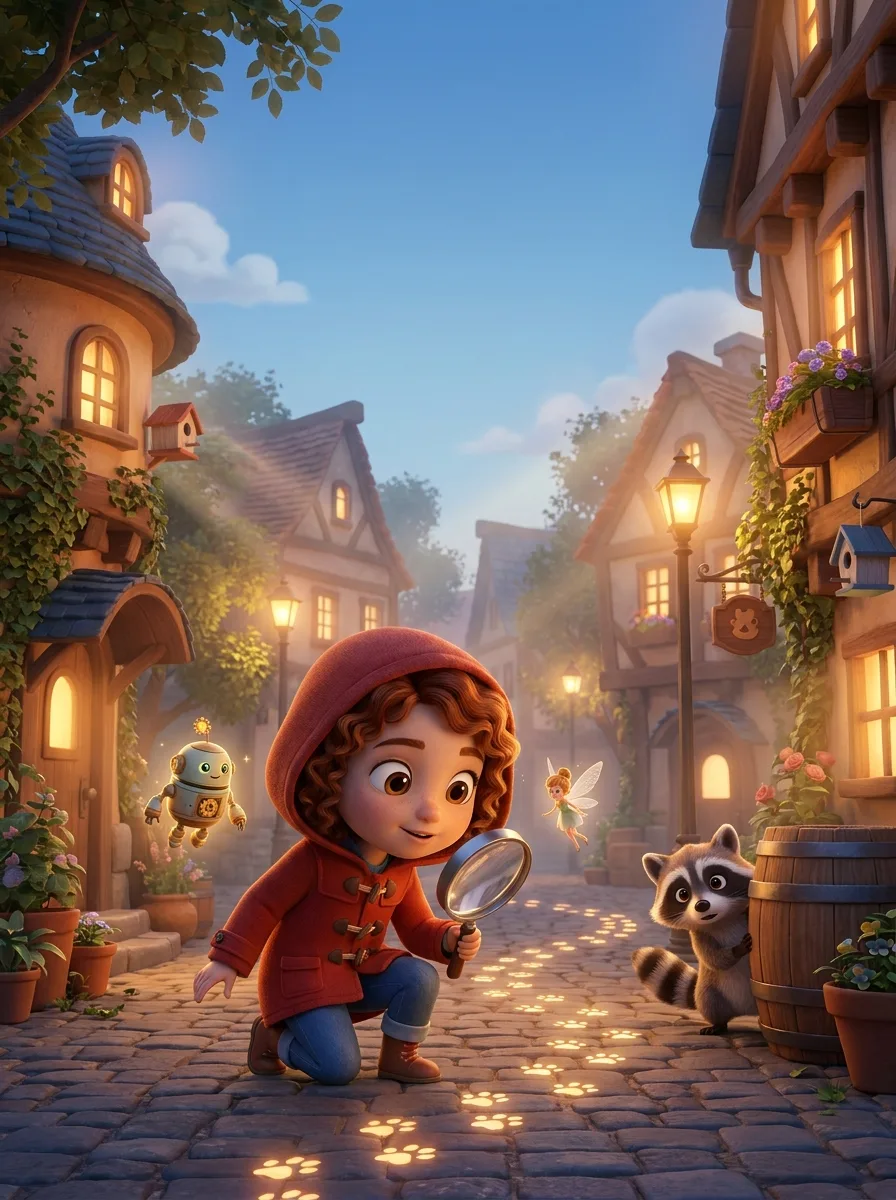
Your child follows the clues to crack the town's trickiest mystery.
Ages 4-8
The ones about something they already care about, short enough to finish, and with something happening immediately. Length and reading level matter far less than interest - choice and interest are what the research links to intrinsic motivation. A book the child is in has an unfair advantage on all three counts.
Sometimes, and we would rather be straight about why. It is not magic - it is that the subject is one he is unusually motivated by, and children remember and attend to self-referential material better than material about someone else. That improves the odds. It does not guarantee the outcome, and any company telling you otherwise is selling you something.
Not necessarily - plenty of children who read fluently still dislike reading, and that is a motivation question rather than a skill one. But if you suspect the reading itself is hard rather than boring, that is worth raising with school, because reluctance and difficulty look identical from the sofa.
Rewards tend to work while the reward lasts and stop when it does, which is the problem with them. The better lever is the one you control anyway: what the book is about.

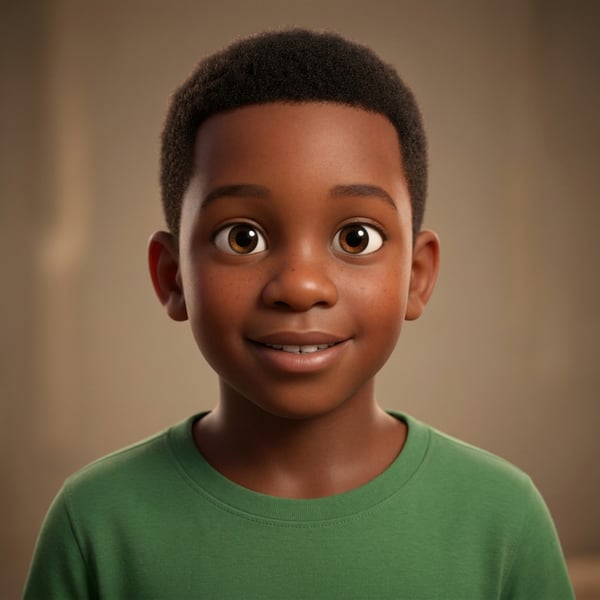 Deep brown skin, tightly coiled hair
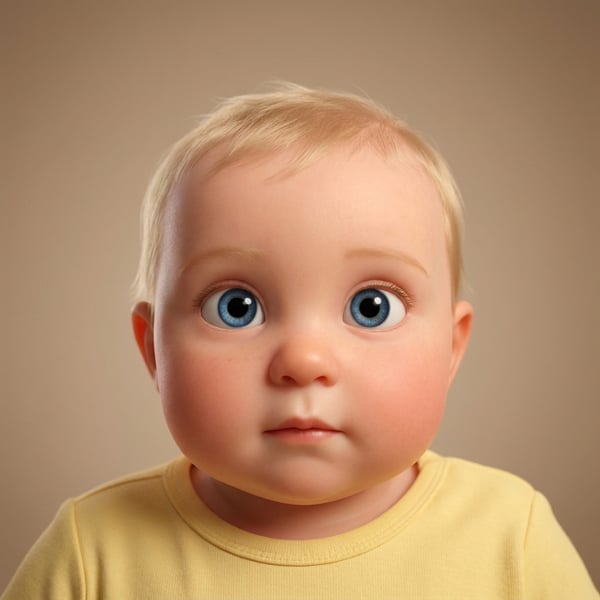 Fine, fair, barely-there hair
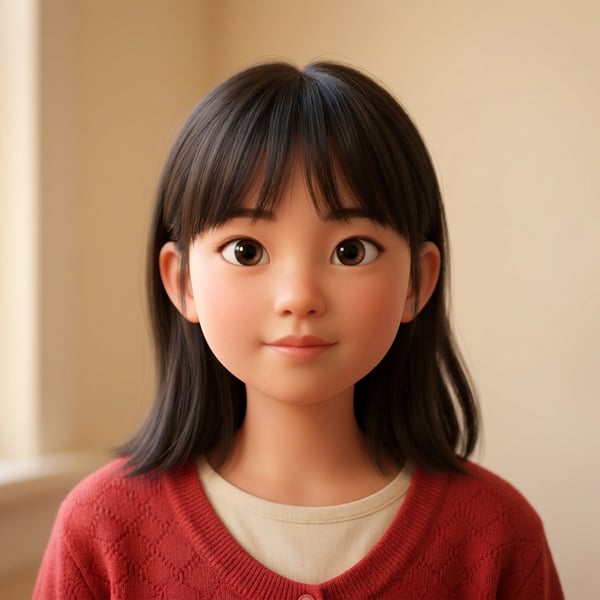 Straight black hair with a fringe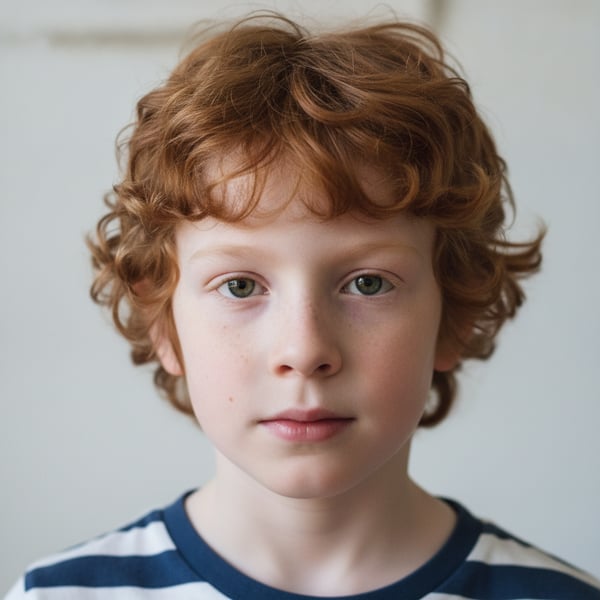
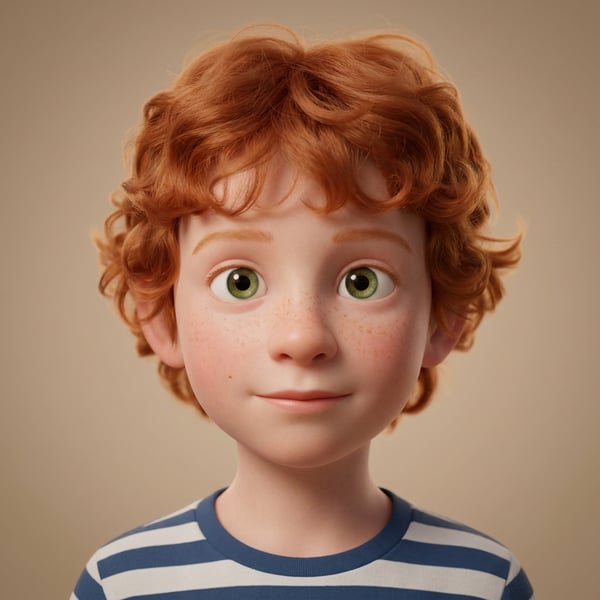 Curly ginger hair and freckles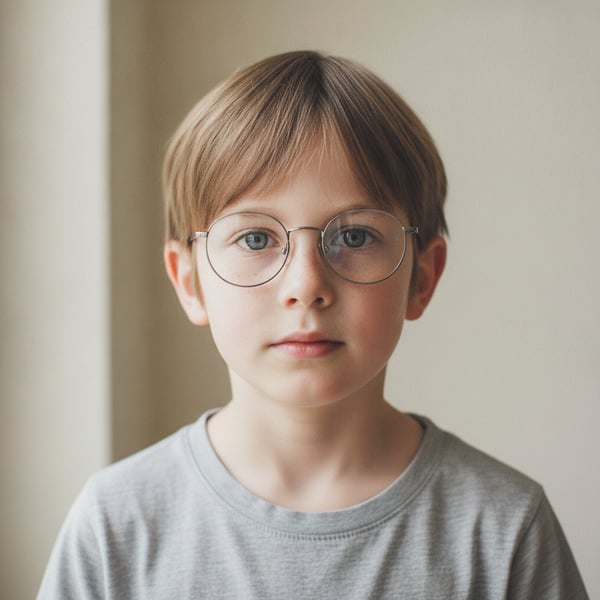
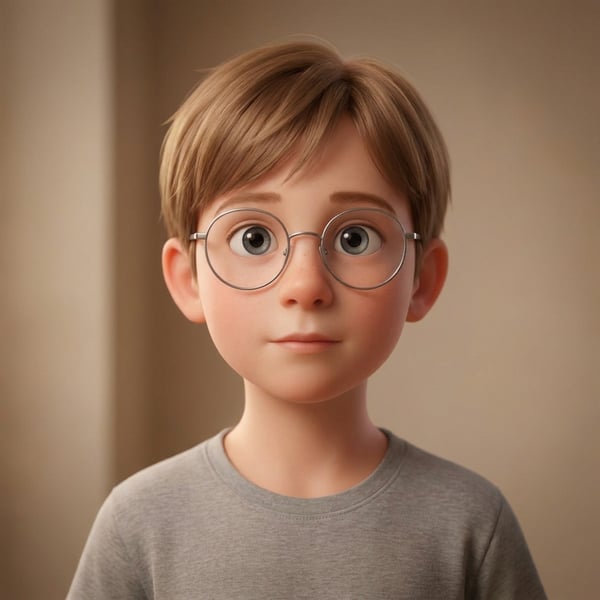 Round glasses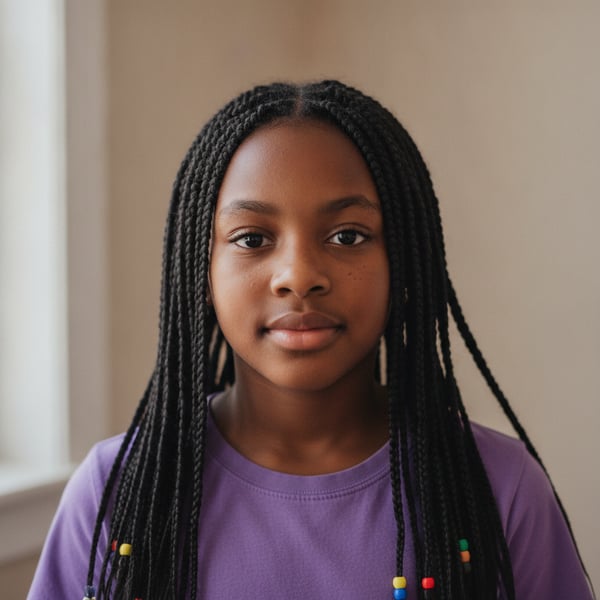
 Long braids with beads
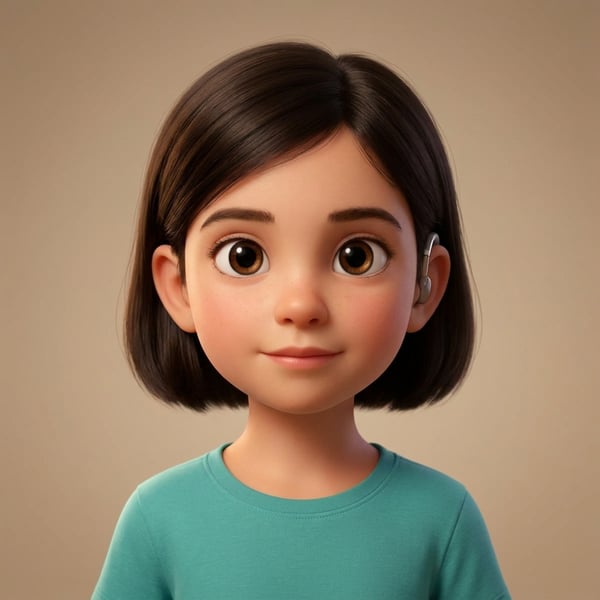 A visible hearing aid
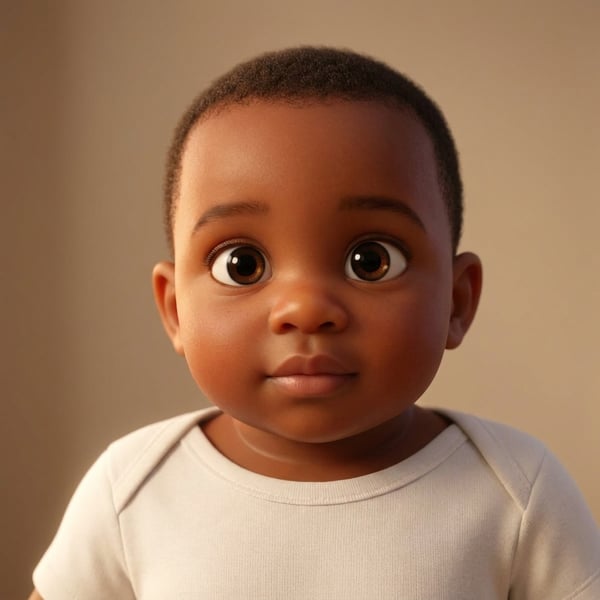 A baby with no hair
Skin tone, hair texture and freckles all carried through - including the cases most generators get wrong. See it up close
Last updated:
Make them the hero of the story.
Shop the collection