Bedtime story
A bedtime story does a job that is partly narrative and mostly ritual. The point is the transition: a fixed sequence at a fixed time that tells a child's body what is coming next. The story is the content of the ritual rather than the reason for it, which is why the same book works for months.
That is why bedtime books are written differently from daytime ones. The arc has to resolve, and it has to resolve safely - a cliffhanger at bedtime is a mistake. The energy should fall across the book rather than rise, and the ending should leave a child settled rather than asking what happens next.
Repetition is a feature at this hour, not a failure of imagination. A child who asks for the same story every night is usually asking for the predictability rather than the plot, because knowing exactly what is coming is what makes the dark manageable. Introducing novelty at bedtime often works against the goal.
Common bedtime problems have story-shaped answers. Fear of the dark, separation at the bedroom door, a new sibling in the house or a house move all show up at night because that is when a child is least distracted, and a story that names the fear and resolves it is easier to absorb than reassurance offered directly.
The practical trade-offs are worth naming. A book that is too exciting undoes the wind-down; a book that is too long loses the child before the ending; and a screen, whatever is on it, is a poorer transition than paper because of what the light and the interactivity do to settling.
The neighbouring terms are bedtime routine, which is the whole sequence of bath, teeth, book and lights, and wind-down, which is the period before sleep of which the story is usually the last part.
Common questions
What makes a good bedtime story?
A gentle arc that resolves safely, energy that falls rather than rises across the book, and an ending that settles rather than excites. Familiarity helps more than novelty, which is why the same book works night after night.
Why does my child want the same story every night?
Usually for the predictability rather than the plot. Knowing exactly what is coming is reassuring at the moment a child is being left alone in the dark, and that reassurance is most of what the ritual is for.
Can a bedtime story help with fear of the dark?
Often, yes. Fears surface at bedtime because that is when a child has fewest distractions, and a story that names the fear and resolves it tends to land better than direct reassurance, which children can hear as being dismissed.
How long should a bedtime story be?
Short enough to finish. A book that outlasts the child's attention ends with a negotiation rather than a settled child, which defeats the purpose. Five to ten minutes suits most ages at the end of the day.
Will it actually look like them?

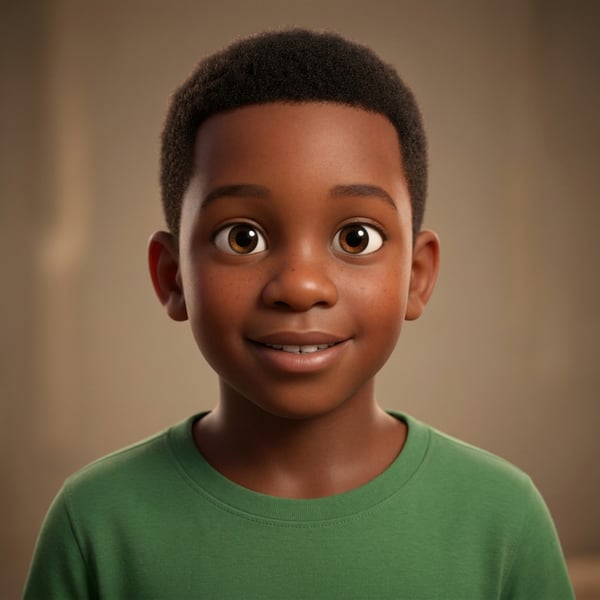 Deep brown skin, tightly coiled hair
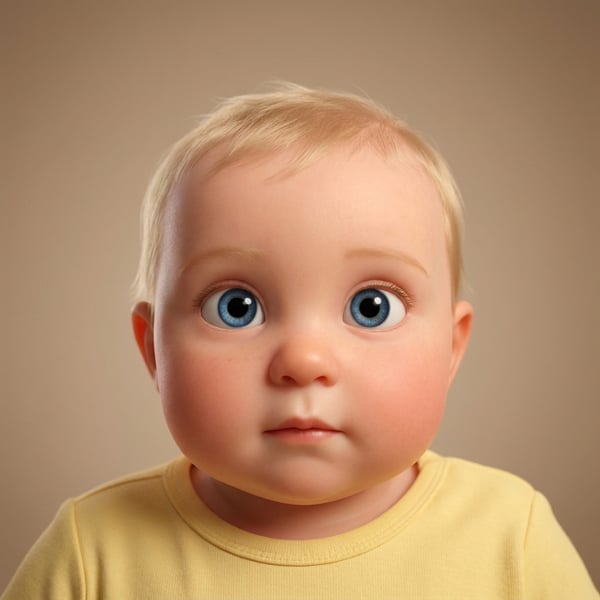 Fine, fair, barely-there hair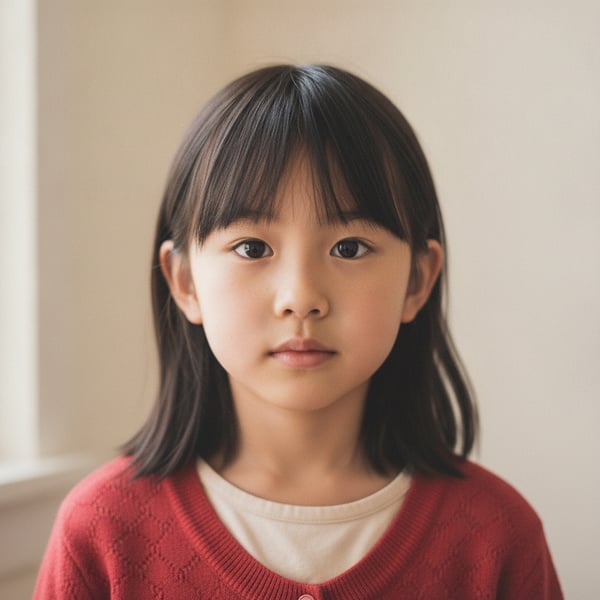
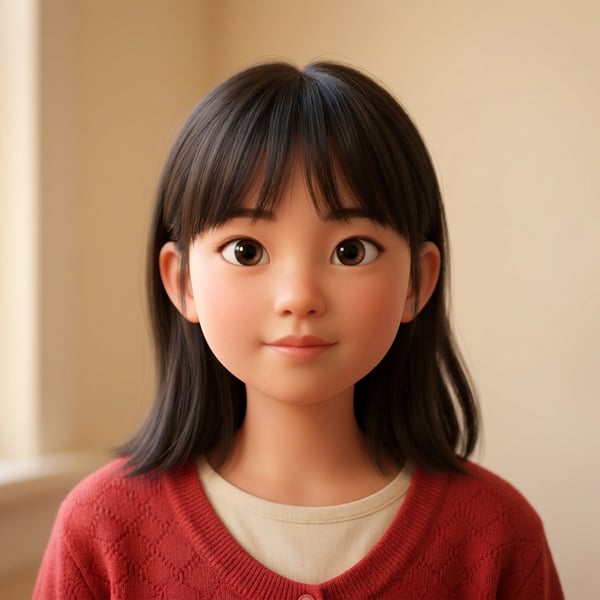 Straight black hair with a fringe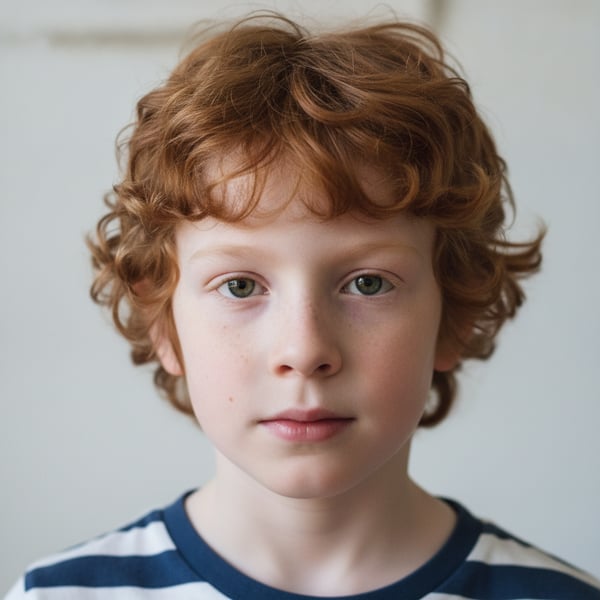
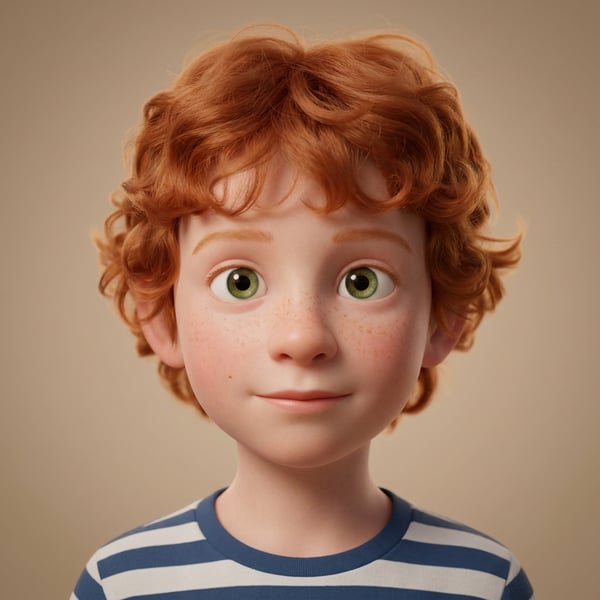 Curly ginger hair and freckles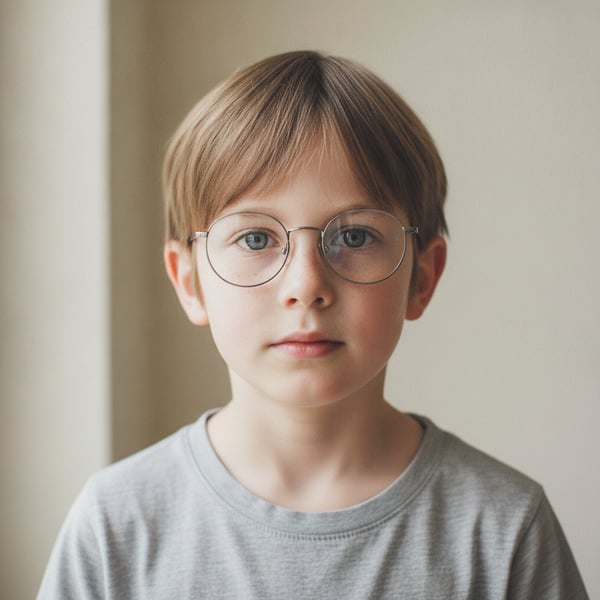
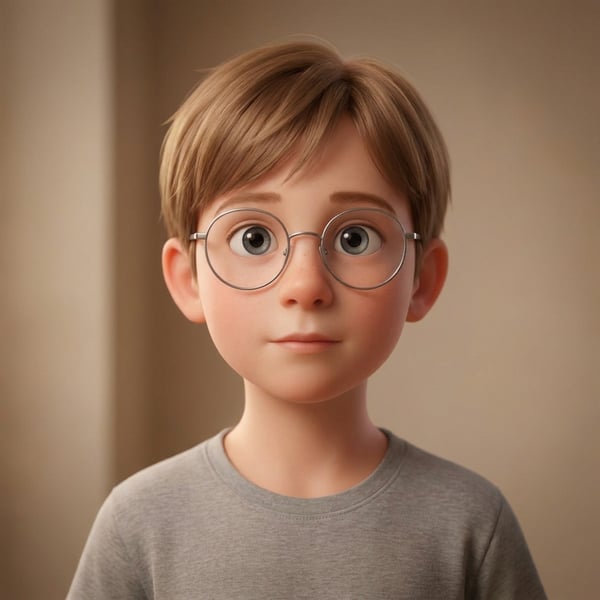 Round glasses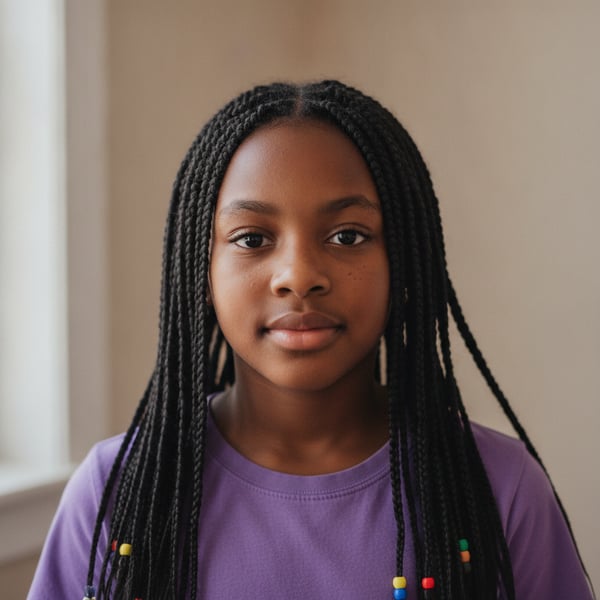
 Long braids with beads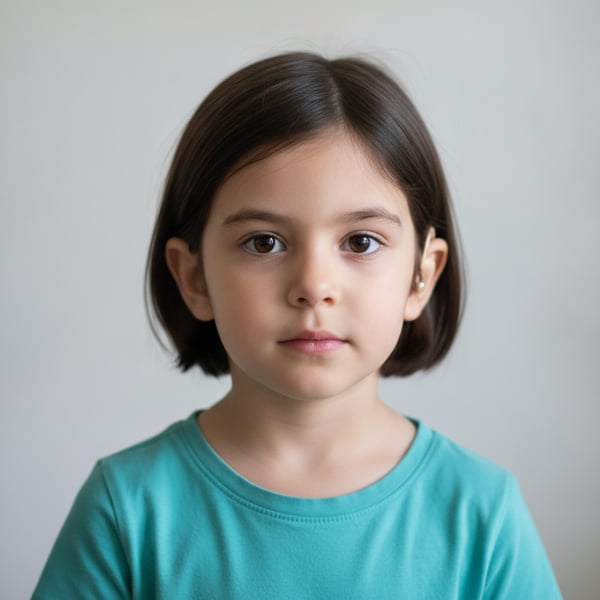
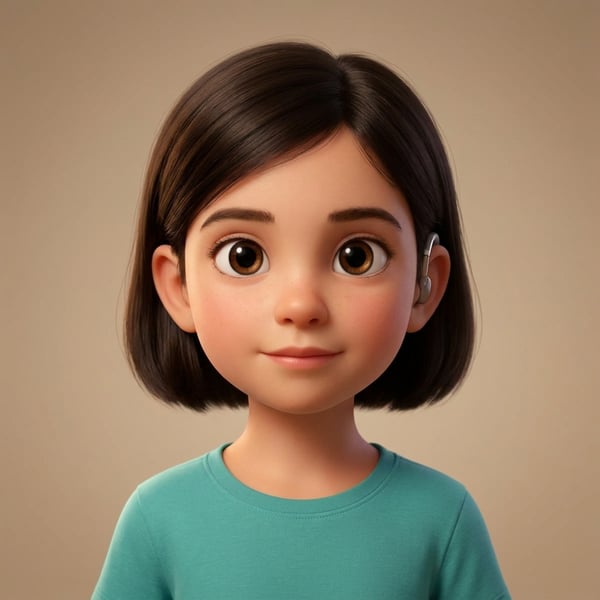 A visible hearing aid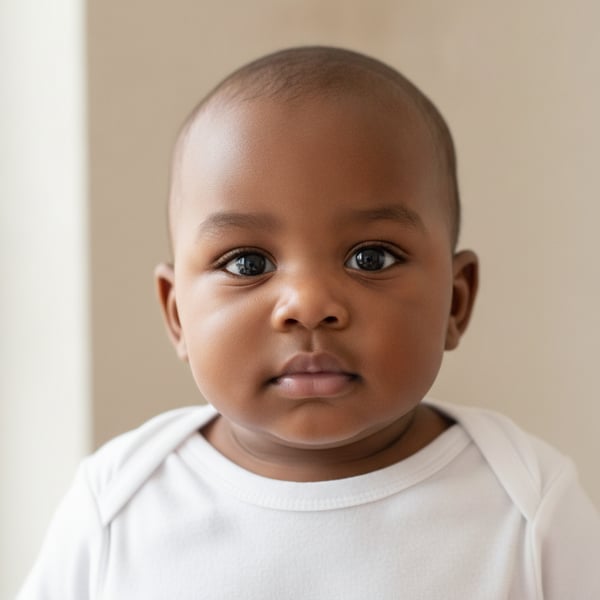
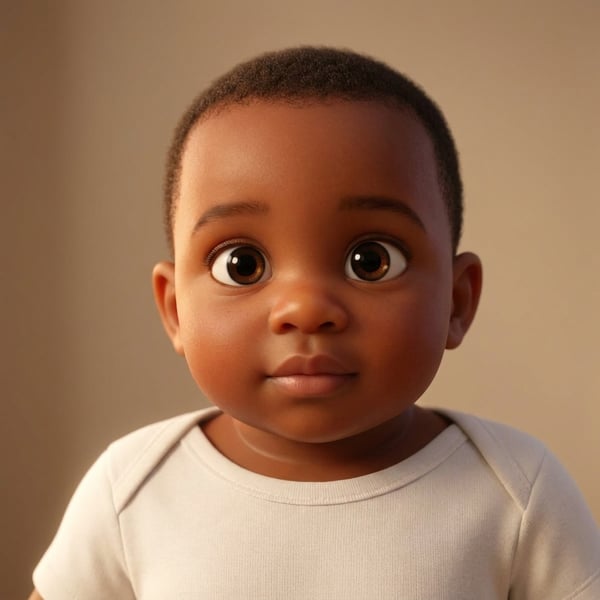 A baby with no hair
Skin tone, hair texture and freckles all carried through - including the cases most generators get wrong. See it up close
Last updated: