Ask any parent about their child's favorite book and you will usually hear about a character the child sees themselves in - the one who is brave like them, or curious like them, or scared of the same things. That pull is not an accident. Children look for themselves in stories, and when they find themselves, they lean in.
The scholar Rudine Sims Bishop gave this idea its most enduring image in 1990: books can be mirrors, windows, and sliding glass doors. A "mirror" book reflects the reader back to themselves - their experiences, their world, their face. Bishop argued that children need books in which they can find themselves, because seeing yourself in a story tells you that you matter and your story is worth telling.
A personalized book is a mirror by design
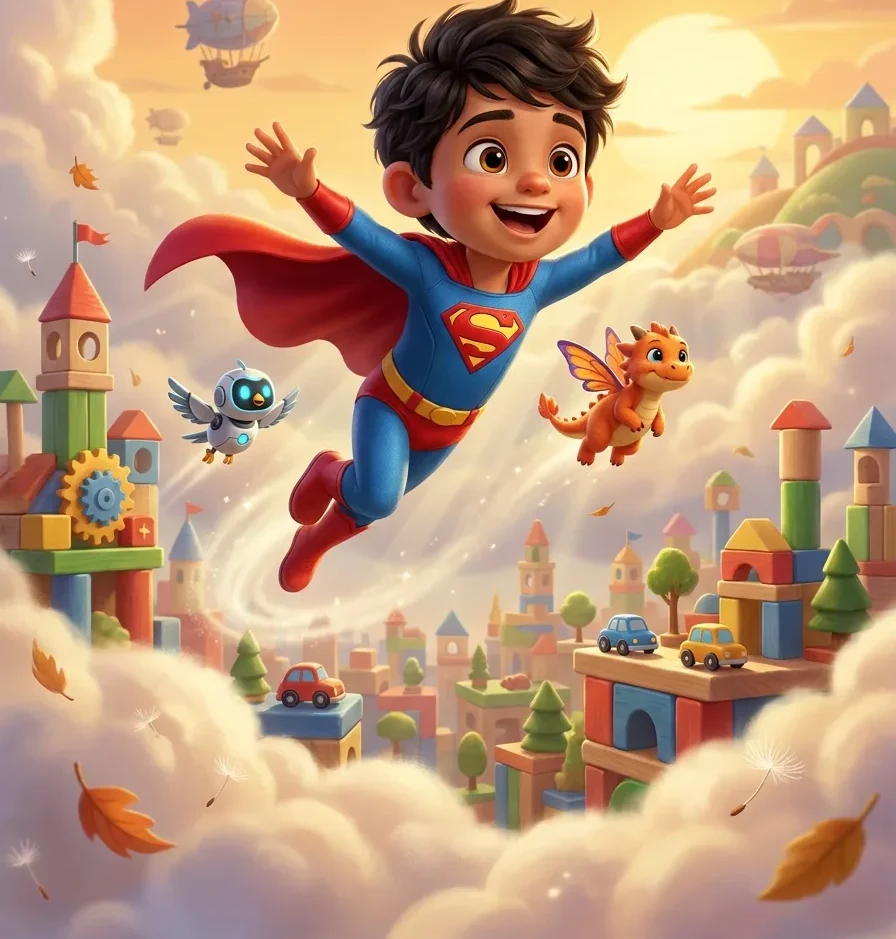
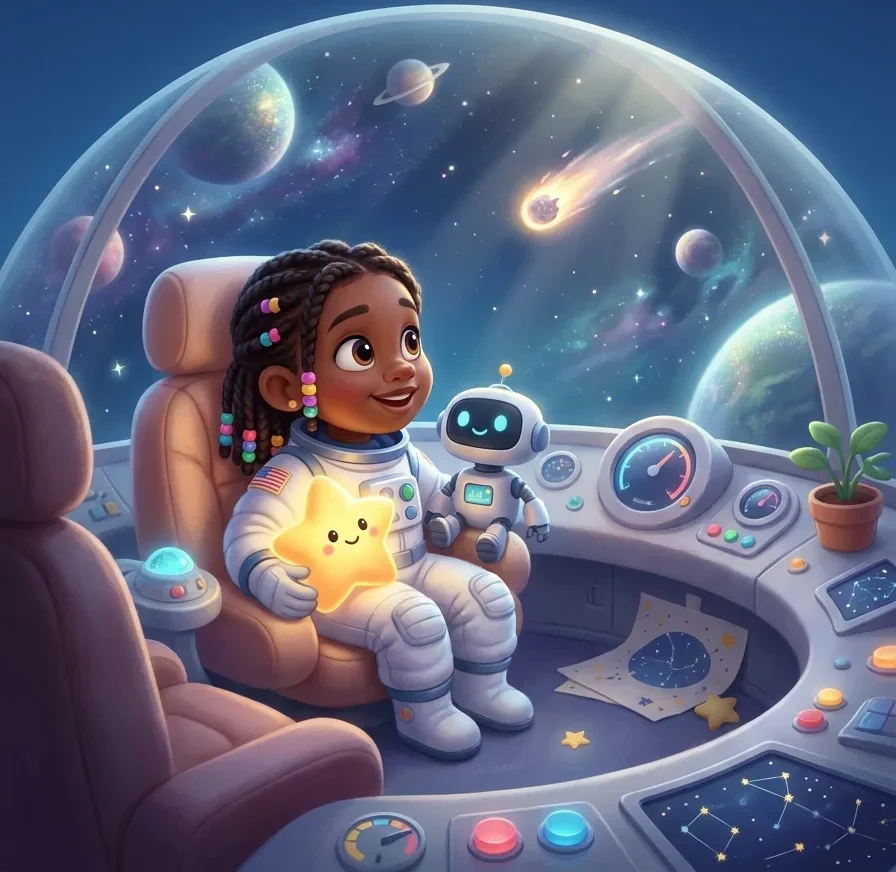
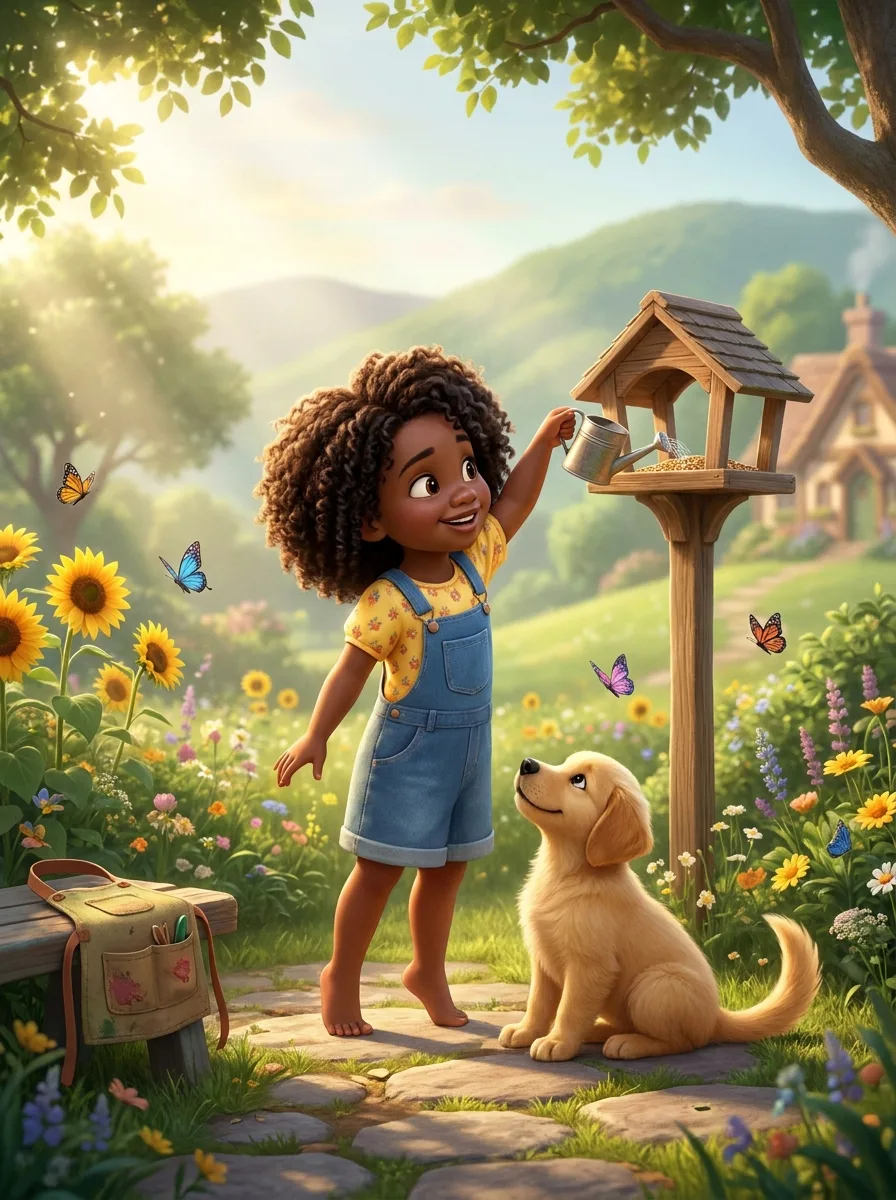
Most books are windows - they show a child someone else's adventure. A personalized storybook flips that. The hero has your child's name, your child's face, and often the things your child loves woven into the plot. It is a mirror on purpose, on every page. That is why kids ask for it again and again: it is a story where they are not a spectator, they are the star.
That recognition also changes the reading itself. A child who is in the story wants to know what happens to them next. They point at the pictures, they narrate, they correct you if you read it "wrong." The book stops being something that is read to them and becomes something they are part of.
Why the shared reading around it matters even more
The book is the spark; the real magic is the lap it is read on. The American Academy of Pediatrics encourages shared reading beginning at birth and continuing at least through kindergarten, and describes it as helping build the foundation for healthy social-emotional, cognitive, language and literacy development. A book your child begs to read is simply a book that gets read more - more nights, more snuggles, more words.
What this looks like in practice
- Let your child hold the book and turn the pages - ownership deepens engagement.
- Pause and ask "what do you think you will do next?" - they are the hero, so the question is real.
- Reread it. Repetition is not boredom for young children; it is how they master a story.
- Point out their name and face the first time - the delight of being seen is the whole point.
That is the idea behind every book we make: your child, recognizably, as the hero - so the story becomes theirs to love, and yours to read together.