Picture book
A picture book is one where the illustrations carry as much of the story as the words do. That is the defining test, and it separates the format from an illustrated chapter book, where pictures decorate a story the text has already told. In a true picture book, removing the images removes half the meaning.
The usual shape is thirty-two pages, a convention inherited from how printing presses fold and cut paper rather than from anything about children. Within that, a picture book runs to a few hundred words at most, which means every sentence has to do work and the pacing is controlled by page turns rather than paragraphs.
The age range is roughly two to eight, and it is unusually wide because the format works two ways. At two or three, an adult reads aloud and the child follows the pictures. At six or seven, the same book becomes something a child reads themselves, and the illustrations that were the whole story now support the words.
The page turn is the format's own device, and good picture books use it deliberately. A question asked at the bottom of one spread and answered on the next is a joke, a surprise or a reveal that no other medium can time in quite the same way. It is also why picture books survive being read a hundred times.
For personalized books the picture-book format is the natural home, because the whole proposition depends on the child seeing themselves. A personalized story with sparse illustration is mostly a name substitution; one where the child appears fully drawn on every spread is the thing families actually want, and that requires the picture-book ratio of art to text.
The neighbouring formats are worth telling apart. A board book is shorter and printed on card for under-threes. An early reader uses controlled vocabulary and is meant to be read by the child rather than to them. A chapter book drops the full-page art entirely. Storybook is a looser, everyday word that usually means a picture book.
Common questions
What age are picture books for?
Generally two to eight. The younger half has the book read to them and follows the illustrations; the older half increasingly reads it themselves. Few other formats stretch that far, which is why a good picture book stays on the shelf for years.
How long is a picture book?
Thirty-two pages is the traditional length, set by how printers fold and trim paper. The word count is small - often under a thousand words - because the illustrations carry the other half of the story and the pacing comes from turning pages.
What is the difference between a picture book and a storybook?
In practice, very little. Storybook is the everyday word most parents use, and it usually means a picture book. Picture book is the publishing term, and it specifically means a book where the illustrations carry the narrative rather than decorate it.
Is a picture book still right for a seven-year-old?
Often yes, particularly if the child is in the book. Seven-year-olds who have moved on to chapter books will still return to a picture book that is about them, and reading it themselves rather than being read to is a different and satisfying experience.
Will it actually look like them?
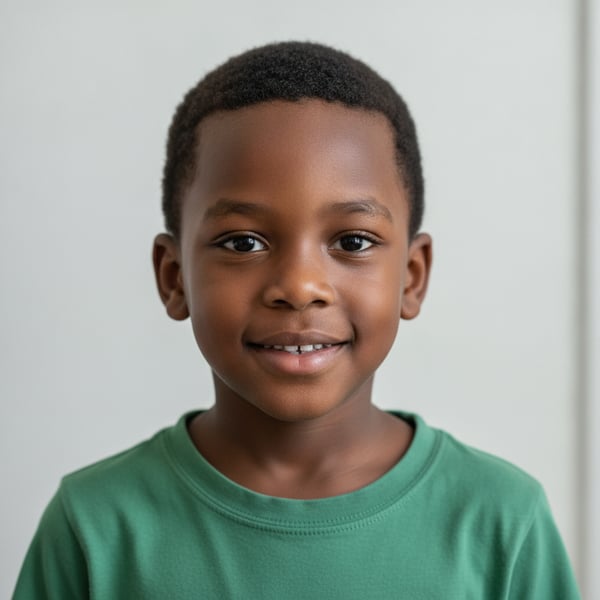
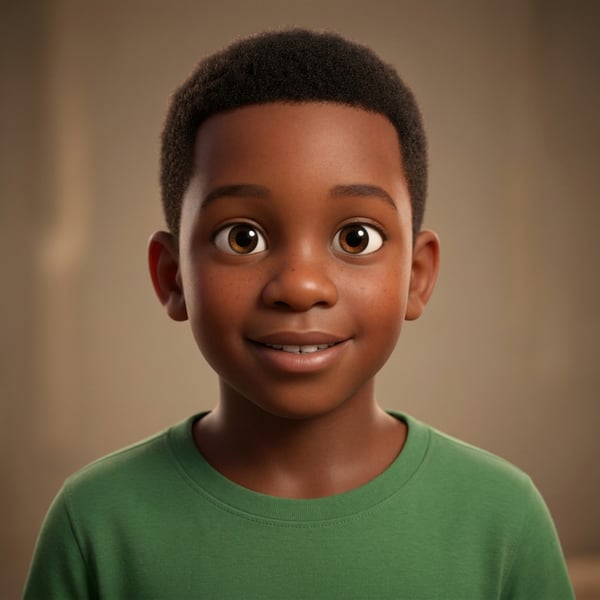 Deep brown skin, tightly coiled hair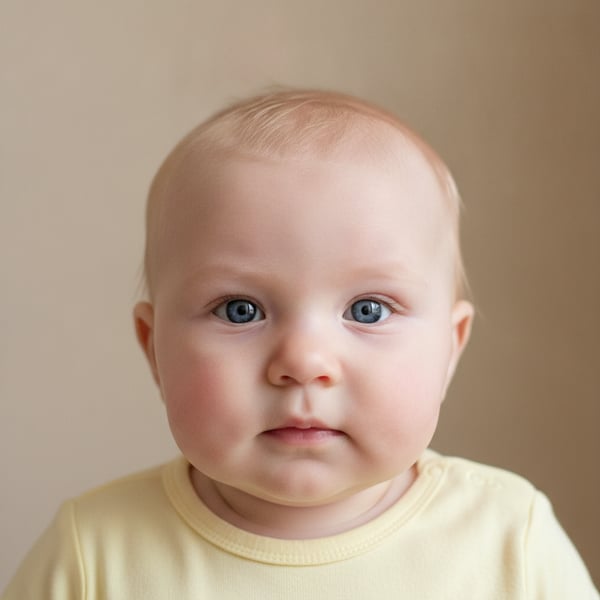
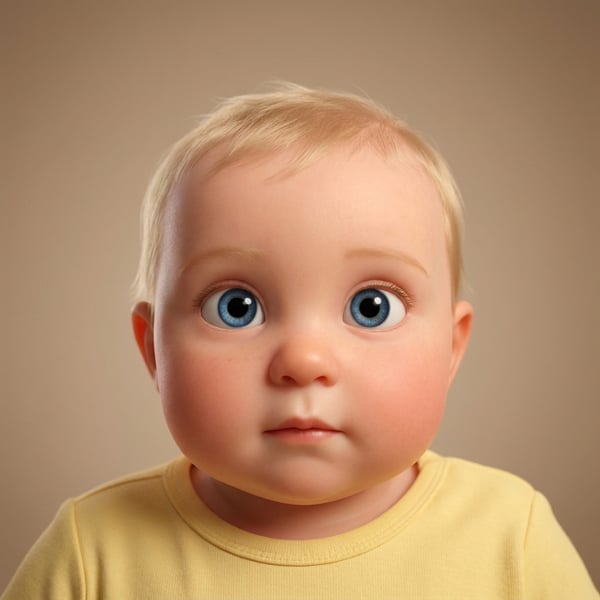 Fine, fair, barely-there hair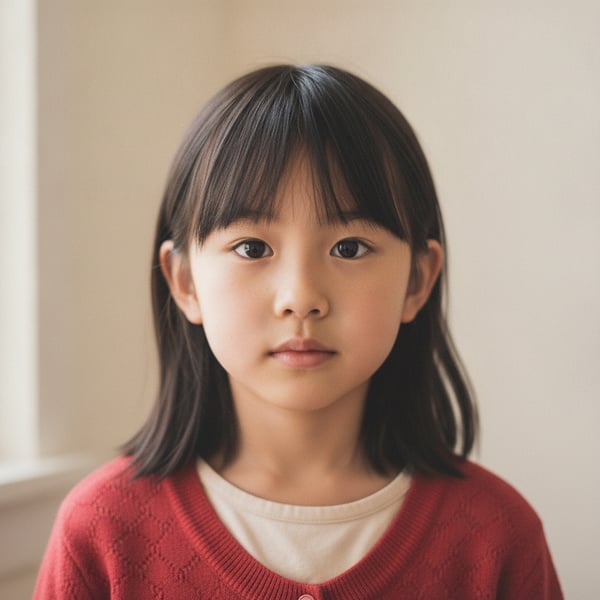
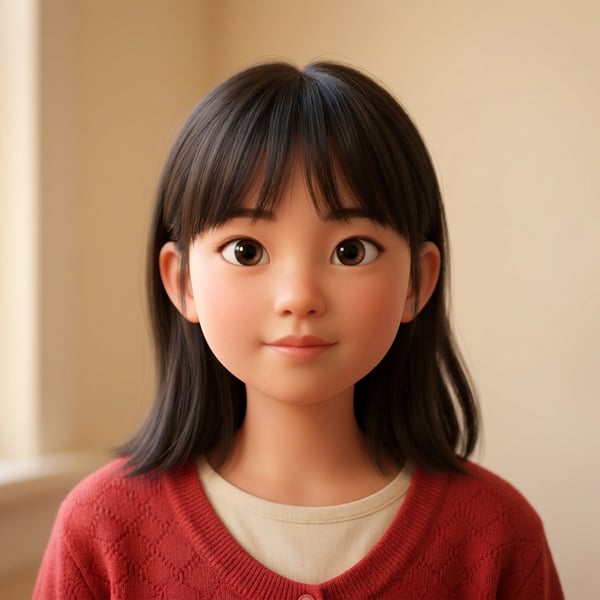 Straight black hair with a fringe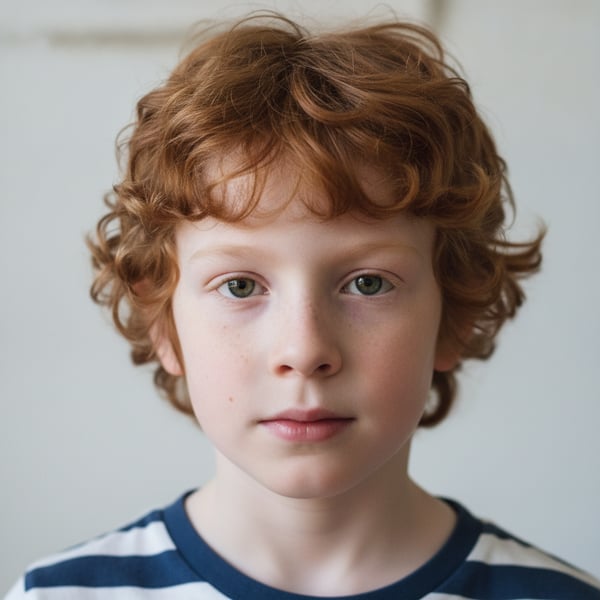
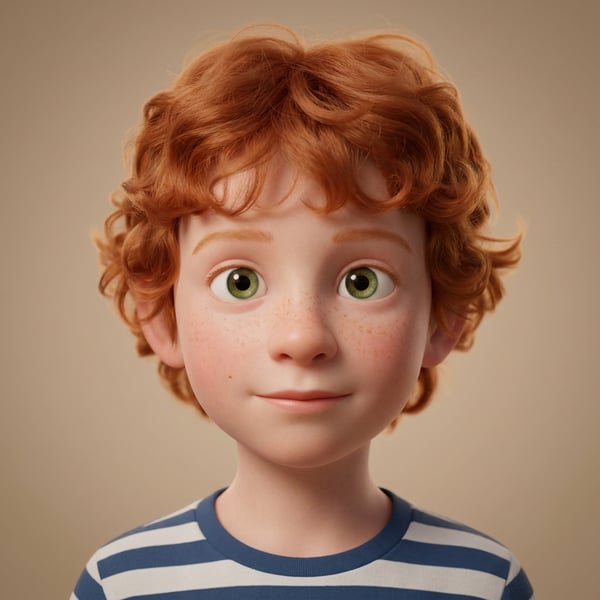 Curly ginger hair and freckles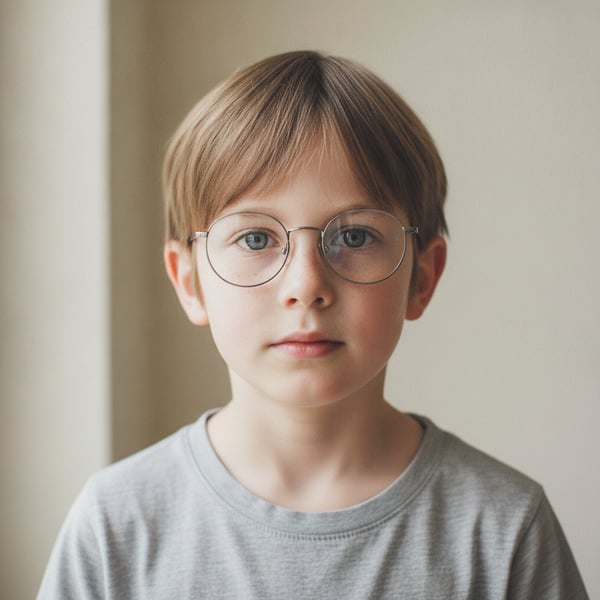
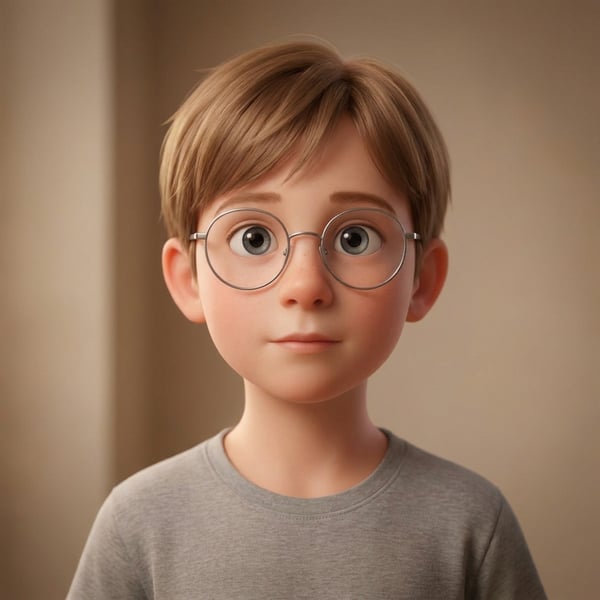 Round glasses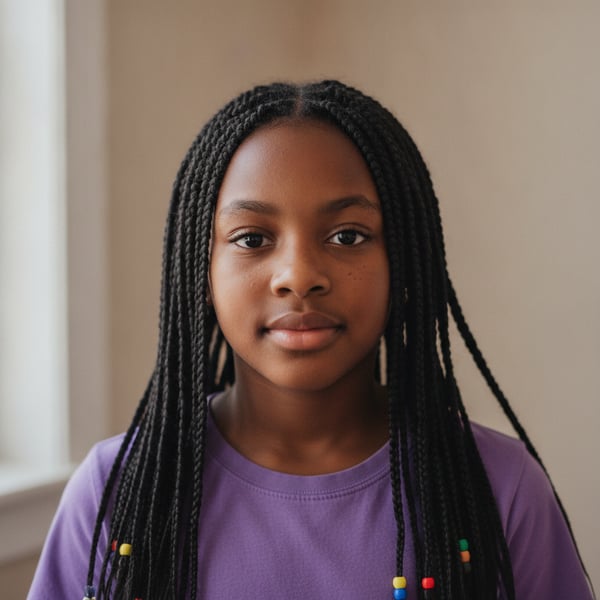
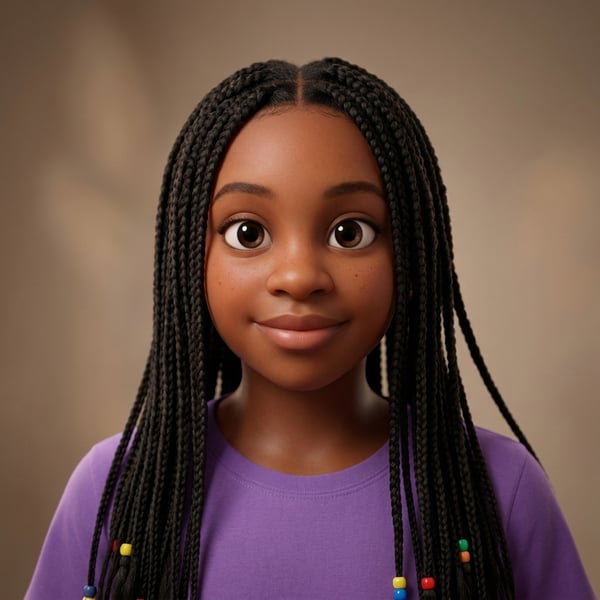 Long braids with beads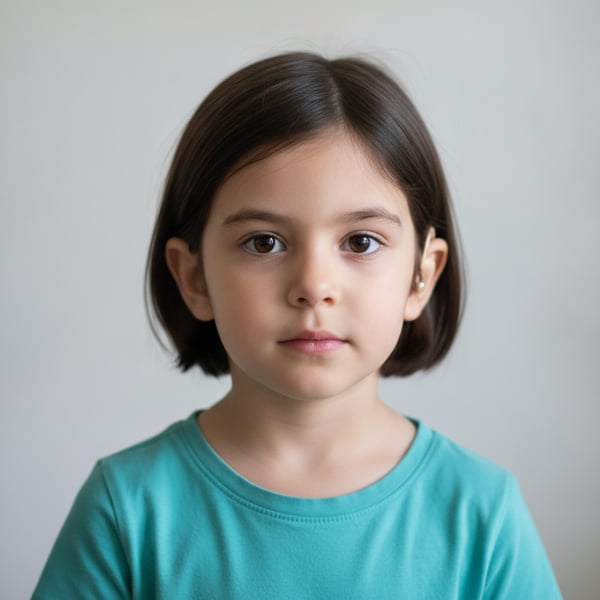
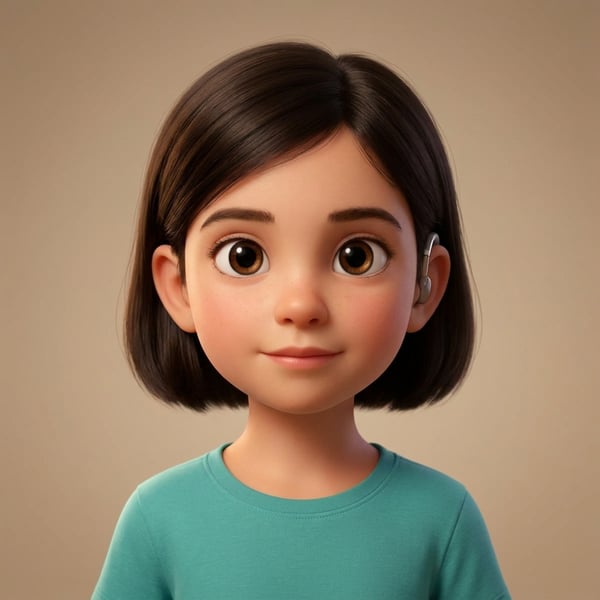 A visible hearing aid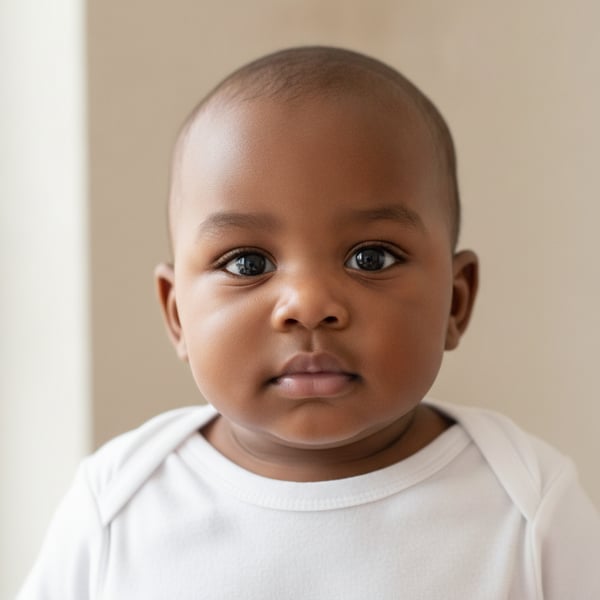
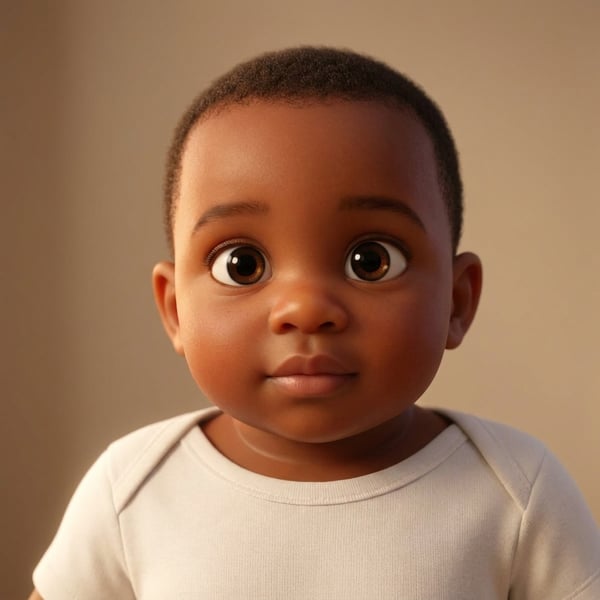 A baby with no hair
Skin tone, hair texture and freckles all carried through - including the cases most generators get wrong. See it up close
Last updated: