Board book
A board book is printed on paperboard rather than paper: each page is a laminated card several times the thickness of a normal page, with rounded corners and a wipe-clean surface. The pages are stiff enough that a one-year-old can turn them without tearing anything, which is the entire reason the format exists.
The format shapes the story rather than just the paper. Board books are short, usually eight to twenty spreads, because a book that thick becomes unwieldy quickly. That length suits the attention a toddler actually has, and it is why board books tend to be built around naming, rhythm and repetition instead of a plot with a middle.
The natural range is roughly nought to three. Below one, the appeal is contrast, faces and something to hold. Between one and two, the child starts turning pages themselves and the durability earns its keep. By three most children can handle paper pages carefully enough that a picture book offers more story for the same money.
Where board books stop working is around four. A four-year-old following a real story arc will finish a board book in two minutes and ask what else there is, and the thick pages that protected the book at eighteen months now just make it feel babyish. That is the moment to move to a full picture book.
For a personalized book specifically, the trade-off is worth thinking about before ordering. A board format is the right physical object for a baby, but it cannot carry twelve chapters, and much of what makes a personalized story special - a dedication, a name woven through a real narrative - needs more pages than the format allows.
You will see it written as board book and boardbook. Publishers and printers use two words; shoppers type either. Baby book usually means something different again - a fill-in record of a child's first year - so it is worth checking which one a shop means before ordering.
Common questions
What age is a board book for?
Roughly nought to three. The thick pages matter most between one and two, when a child is turning pages themselves but has not learned to be gentle. From about three or four, a picture book with a longer story is usually a better fit.
Why are board books so short?
Because paperboard pages are several times the thickness of paper, a board book with fifty spreads would be too fat for a toddler to hold or open. Eight to twenty spreads is the practical limit, and it happens to match the attention span of the age it is made for.
Can a personalized book be made as a board book?
Some makers offer it, but the format limits what the story can be. A board book has too few pages for a full illustrated narrative, so a personalized board book is usually a short naming or counting book rather than a story with chapters.
Are board books worth it if my child is nearly three?
Probably not, unless the specific book is one they already love. At nearly three most children can handle paper pages with reasonable care, and a picture book gives them considerably more story for the same outlay.
Will it actually look like them?
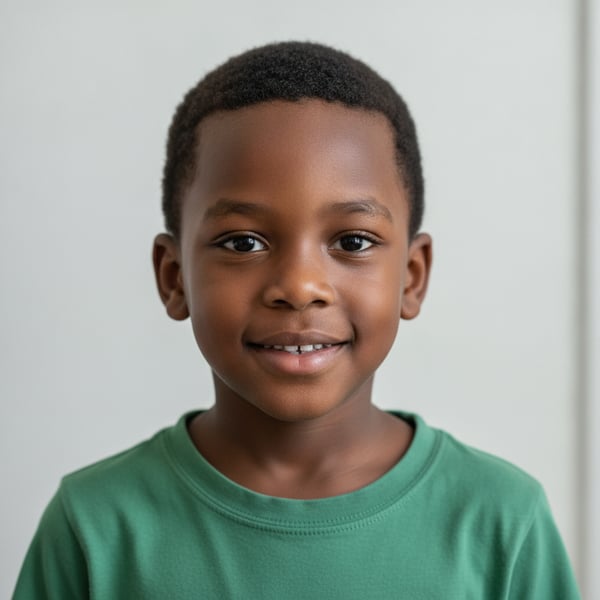
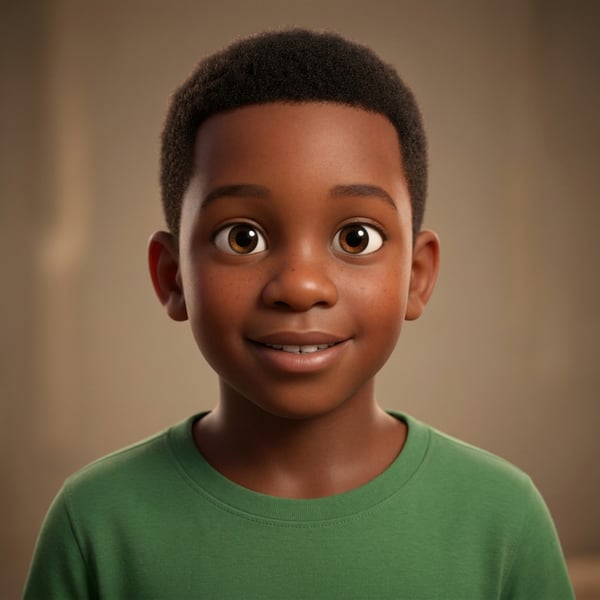 Deep brown skin, tightly coiled hair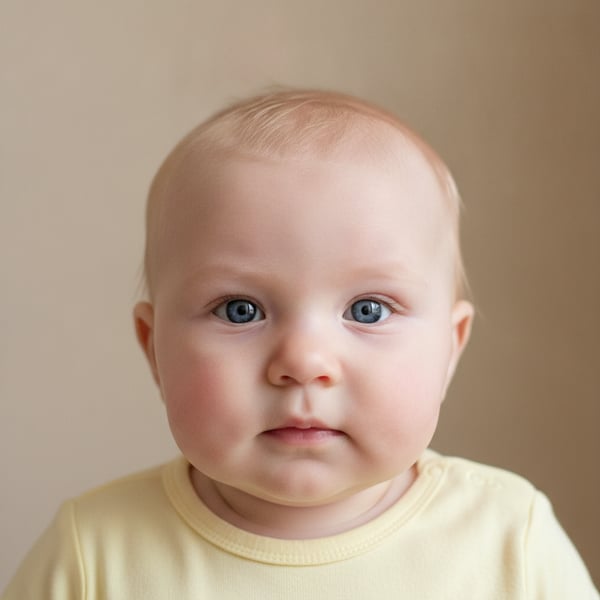
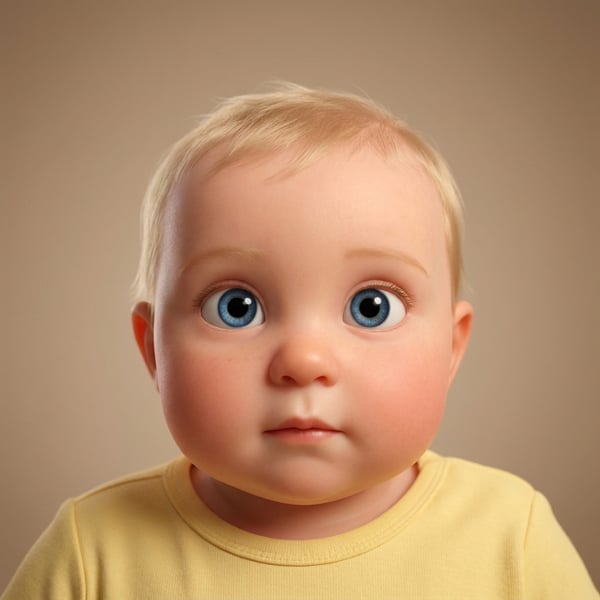 Fine, fair, barely-there hair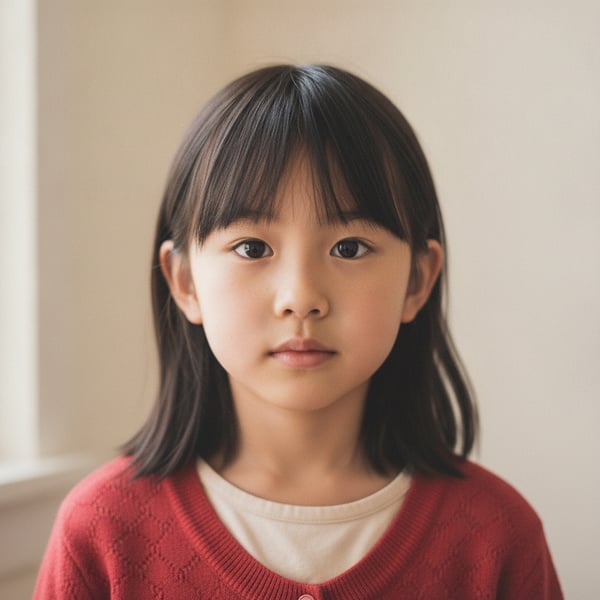
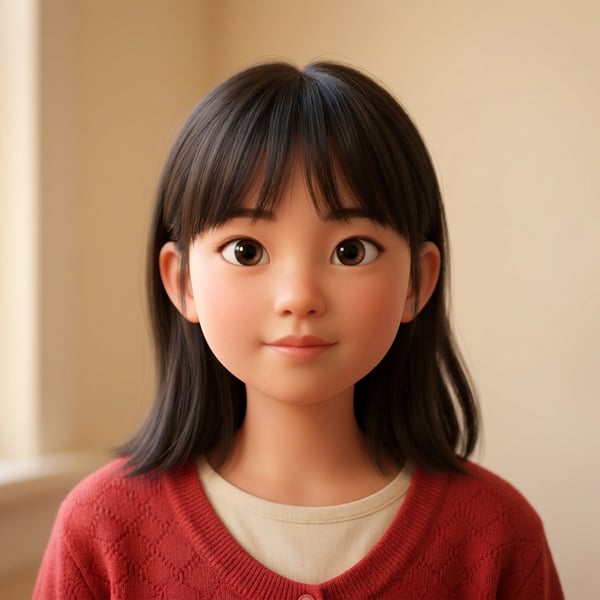 Straight black hair with a fringe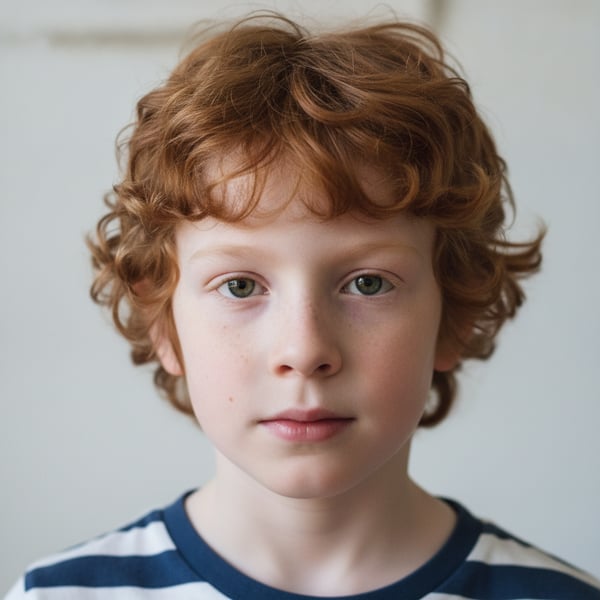
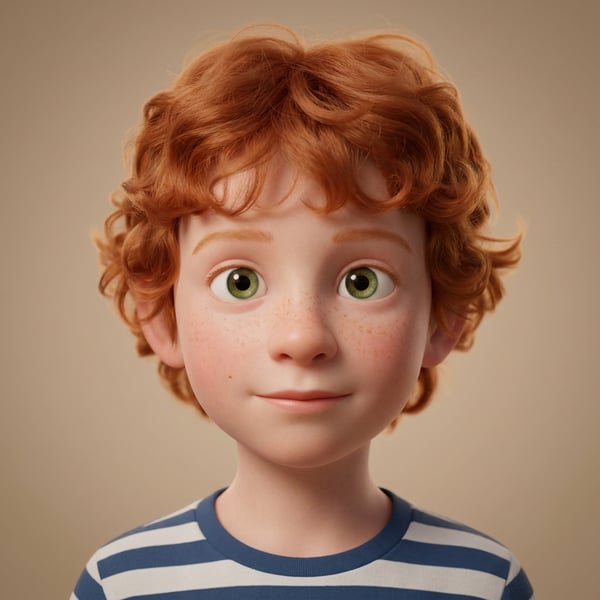 Curly ginger hair and freckles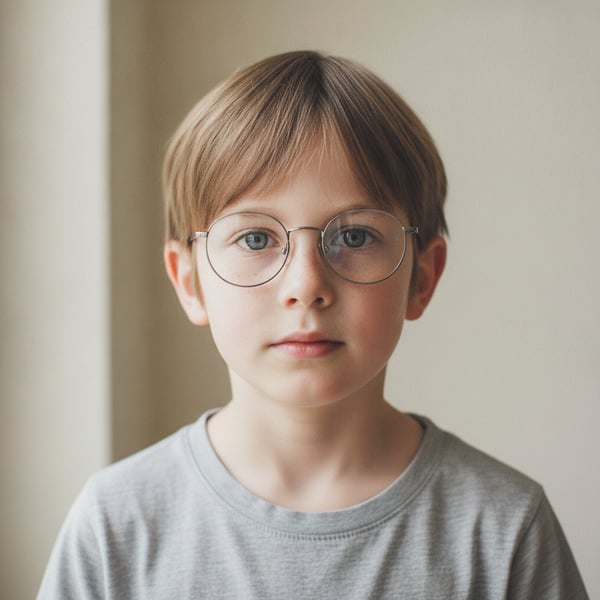
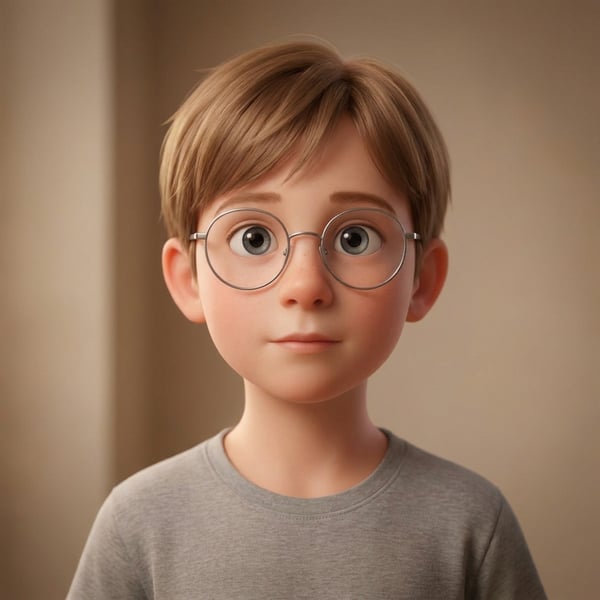 Round glasses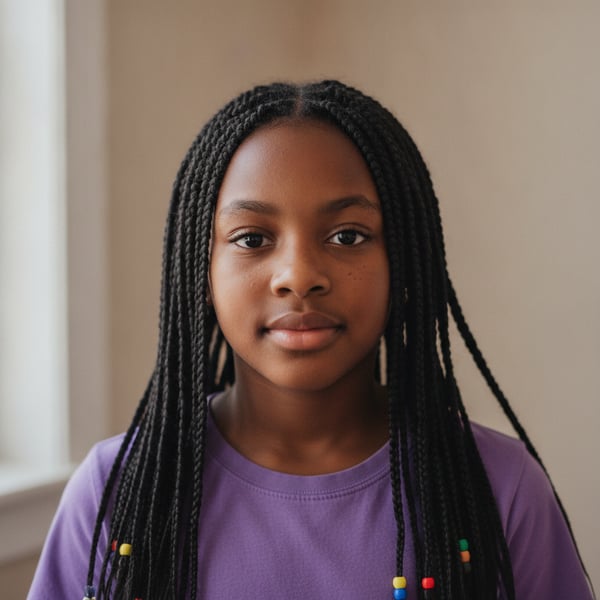
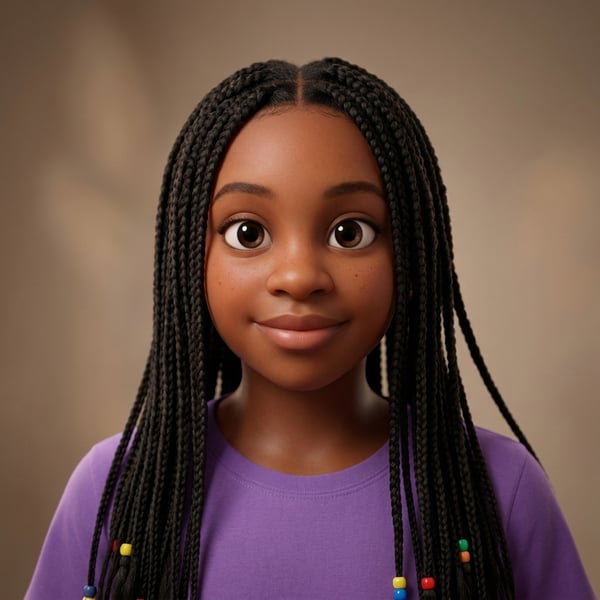 Long braids with beads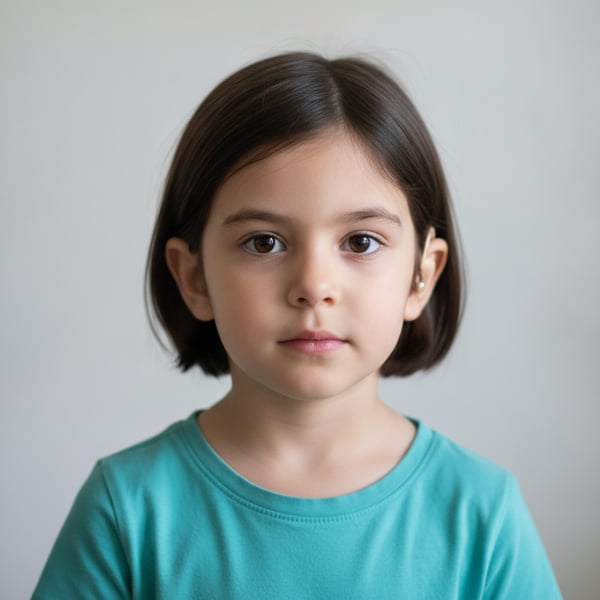
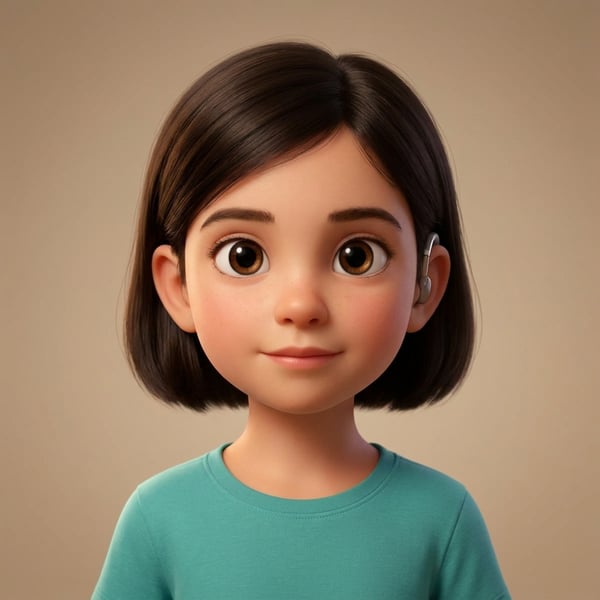 A visible hearing aid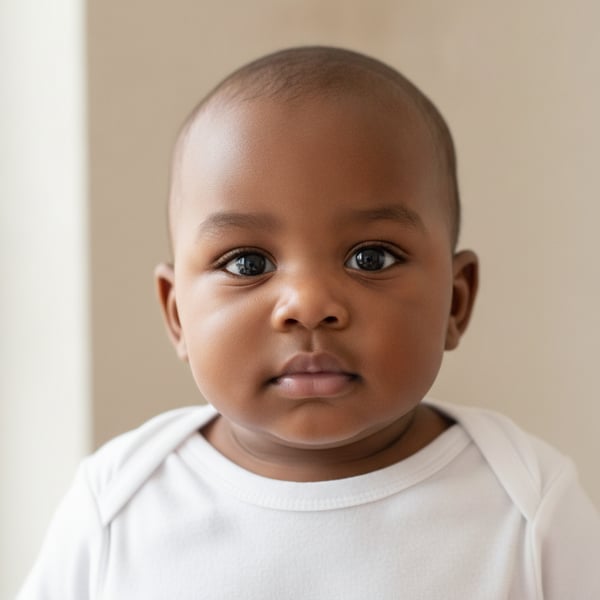
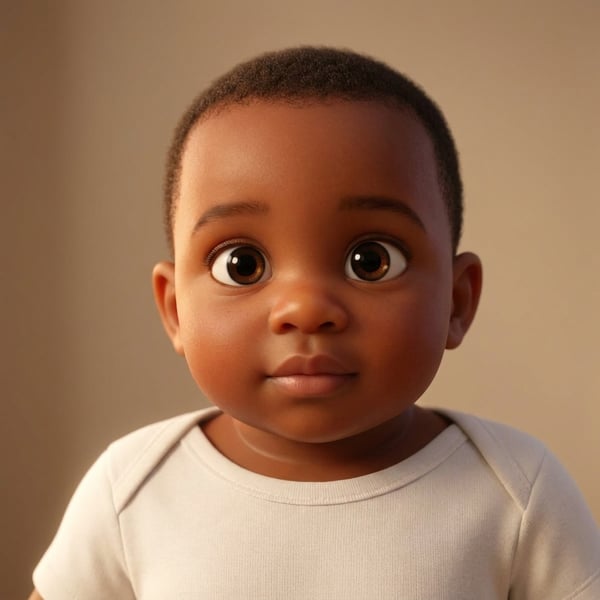 A baby with no hair
Skin tone, hair texture and freckles all carried through - including the cases most generators get wrong. See it up close
Last updated: