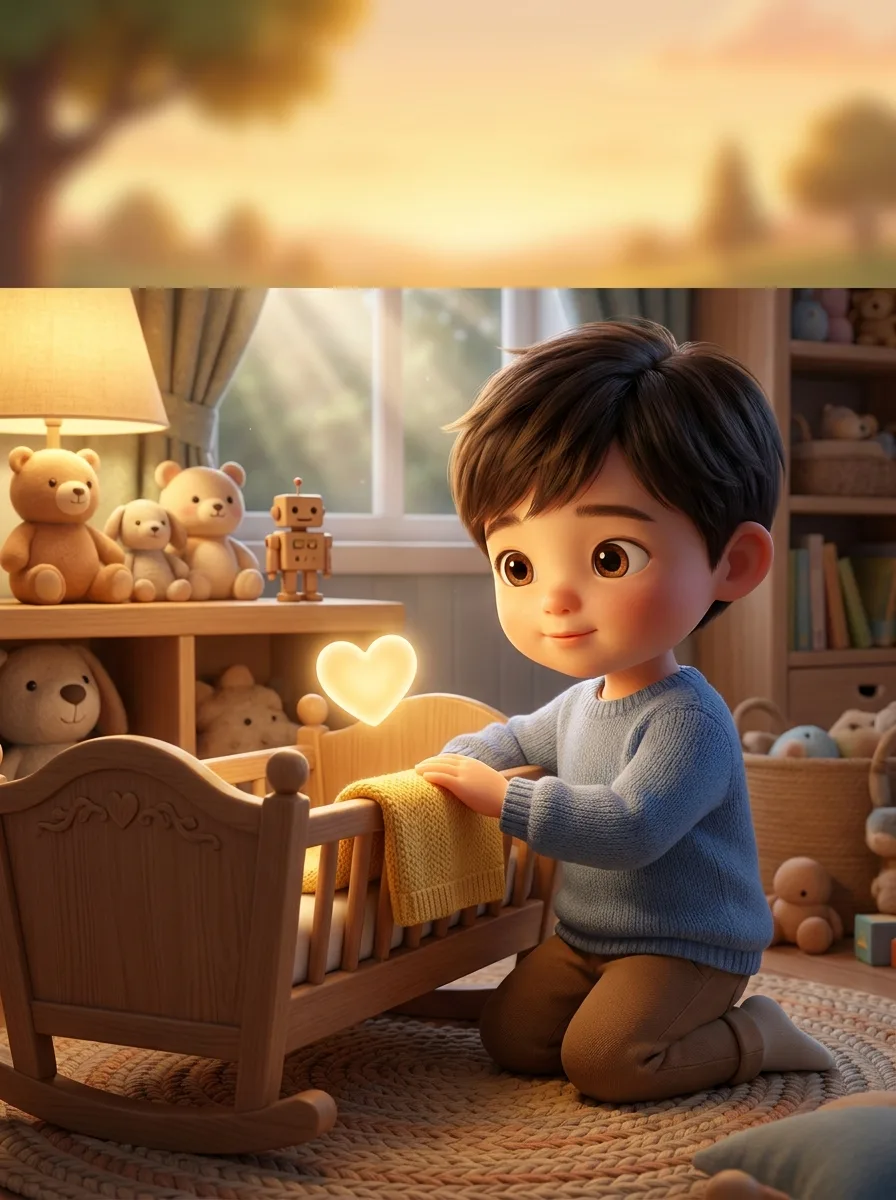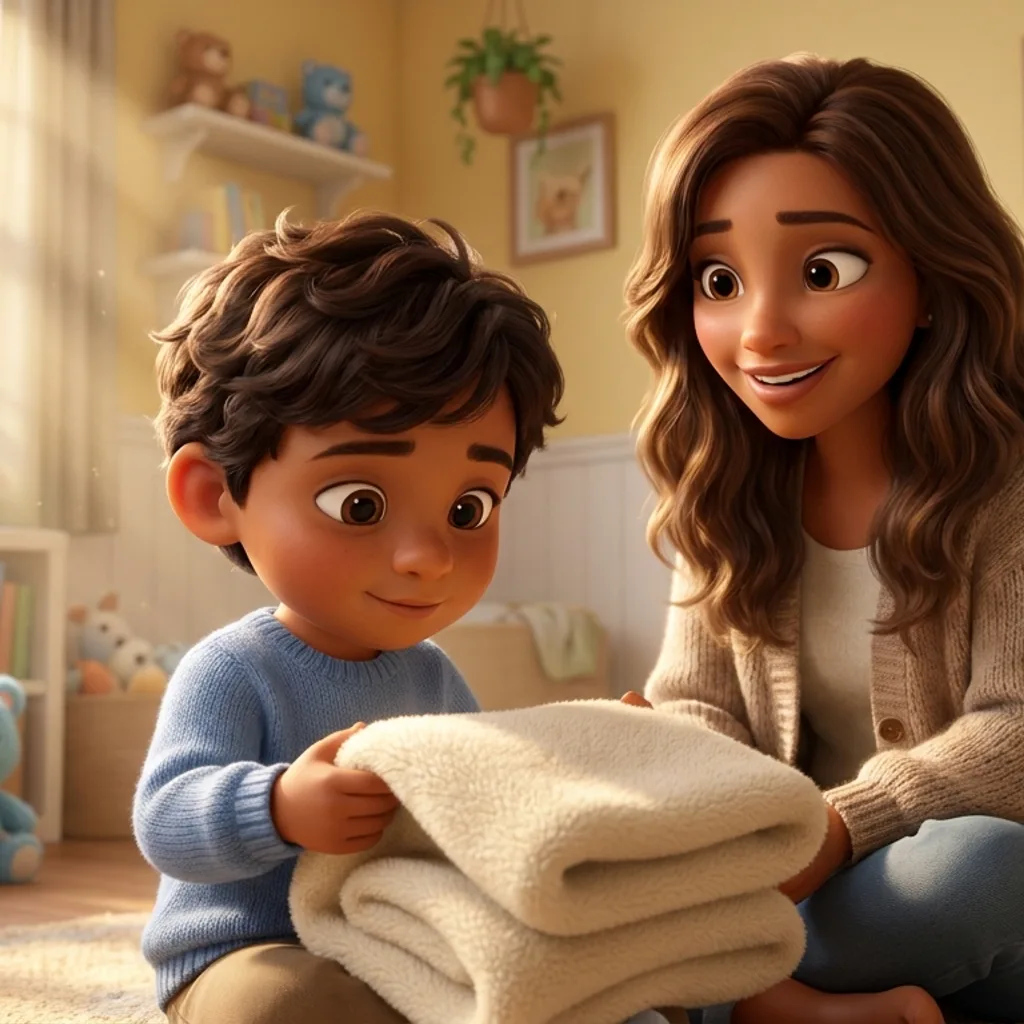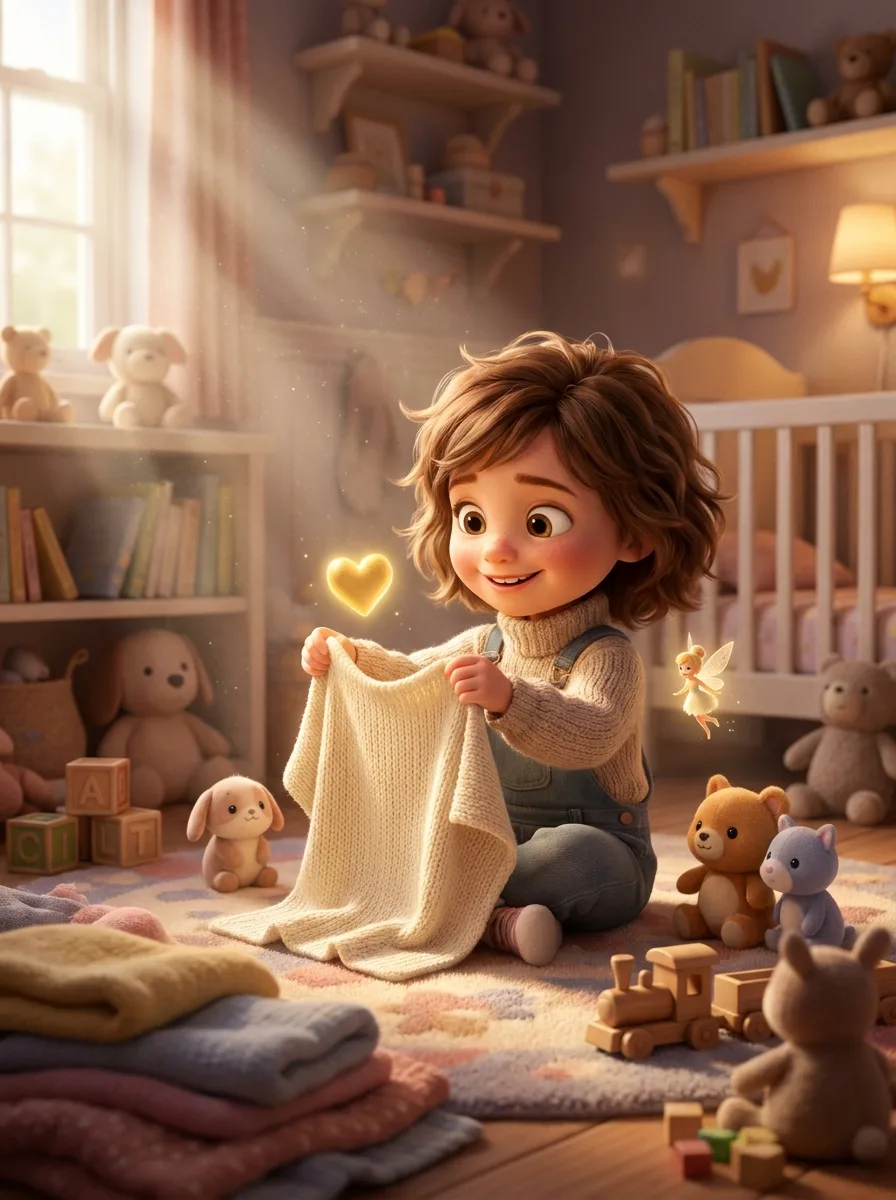

A tender story about your child getting ready for a brand-new role - big sibling - and discovering a heart that just keeps growing with more love to share.
Ages 0-8
From $14.90
What a big sibling book is for, which child it suits, when to start reading it in the weeks before the birth, and how to use it with the older child.
A big sibling book is a story in which the older child is the main character of the change, not a bystander to it. It does one narrow job: it gives you something to read together that makes the baby a topic you can talk about calmly. This page is about that book. The wider preparation has its own guide.
It is a picture story about becoming a big brother or big sister, read aloud before the baby comes. The child in it is learning what the new role is, and is usually shown with a mix of feelings rather than only delight.
A personalized one puts your own child in that role: their name on the cover and their face in the pictures. Ours has twelve chapters, and the hardcover is $42.90 for a book with one child in it.
The new-sibling page shows the book itself, with the cover and the first chapter free to look at. Take a look
The older child, from a toddler to about eight. A two-year-old mainly wants the pictures and the repetition. A six-year-old is more likely to be worrying about whether there will be enough love to go around, and a story that says so out loud lets them stop carrying it.
It is also for the parent. A book gives you a way into the subject that is not a question, and children will talk about a character's feelings long before they will talk about their own.
Start once the child knows the baby is coming, and read it several times rather than once. Familiarity is the point: by the birth, the story should be an old favourite and the change a known one.
Choose a calm moment, and bedtime works well because it is already shared time. Do not wait for the last week, when everything else in the house is also changing.
Keep a copy by the bed for the first days at home. Reading the same book again after the birth shows the child that some things have not moved.
When to tell them, which big changes to move out of the way and what the first fortnight is like are covered in the guide to preparing a toddler. Take a look
Some parents make the book the announcement itself: a pregnancy announcement book for the older sibling, opened together instead of a sentence over breakfast. It works because the first chapter of our big sibling story is the news, told to the child by name, so the book says it for you and then keeps going.
Give it soon after you have decided to tell them, and before a relative lets it slip. A toddler will not understand when the baby is coming, so expect the questions to arrive over the following weeks rather than on the night, and read it again each time they do.
The dedication page prints exactly as you type it, which makes it the place for the line you would have said out loud: "You are going to be a big sister. We wanted you to be the first to know."
Let them lead. Stop on a page they like, let them turn it, and answer what they ask before you carry on. Do not turn the reading into a lesson about being gentle.
If they say something unkind about the baby, take it as information and do not correct it. "Sometimes it is hard when someone new arrives" is a better reply than "you love your baby brother".
Treat the book as theirs. They can keep it, show it to visitors and read it to the baby later, which is a job rather than a demotion.
Becoming a Big Sibling is the one for before the birth. The Big One Now is for the day the baby comes home, The One Who Knows How is for the loud weeks afterwards, and Room for Two is for a shared bedroom. Most families only need the first.
No book prevents jealousy. It is a normal part of the adjustment, and the book is one small part of the preparation rather than a replacement for your attention.
If you have two children and are wondering about a book for each, this page explains how we handle two children. Take a look
A tender story about your child getting ready for a brand-new role - big sibling - and discovering a heart that just keeps growing with more love to share.
Ages 0-8
Yesterday your child was the small one.
Ages 0-8
The house is louder, the days are different, and your child is suddenly the big one.
Ages 2-6
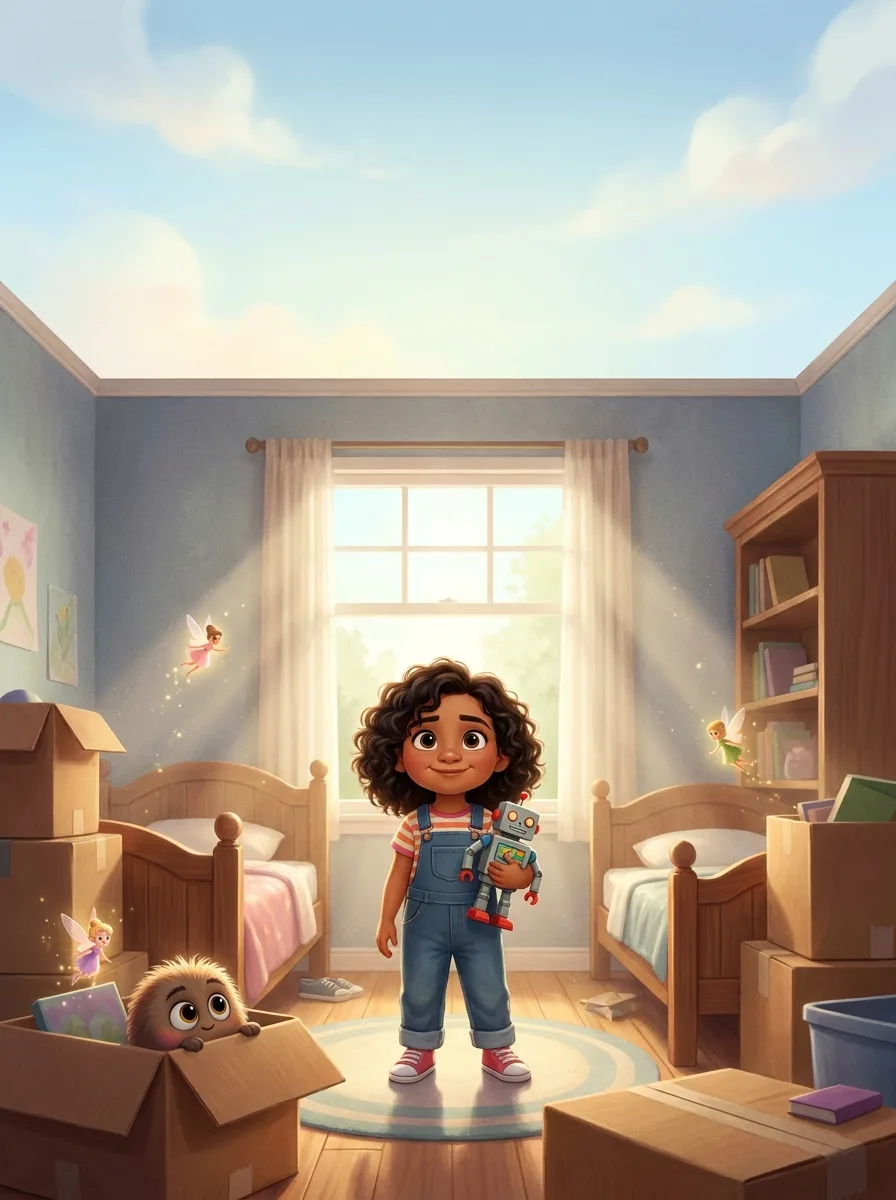
A second small bed arrives in your child's room, and at first there is no space for it anywhere.
Ages 2-8
Once your child knows the baby is coming. Read it several times in the weeks before the birth, so the story is familiar by the time the baby arrives.
Our big sibling story suits ages nought to eight. Younger children enjoy the pictures and the repetition; older ones respond to the words about love and feelings.
Yes. The first chapter of the story is the big news, told to your child by name, so it works as a pregnancy announcement for a sibling. Give it before anyone else tells them, and read it again as their questions come.
No. Jealousy is a normal part of adjusting to a new baby. A book gives you a calm way to talk about it, and that is all it claims to do.
The guide to preparing a toddler for a new baby covers timing, big changes and the weeks after the birth.
Last updated:
Read it at bedtime, several times, before the baby comes. Let your child choose the page to stop on.
Browse the collection