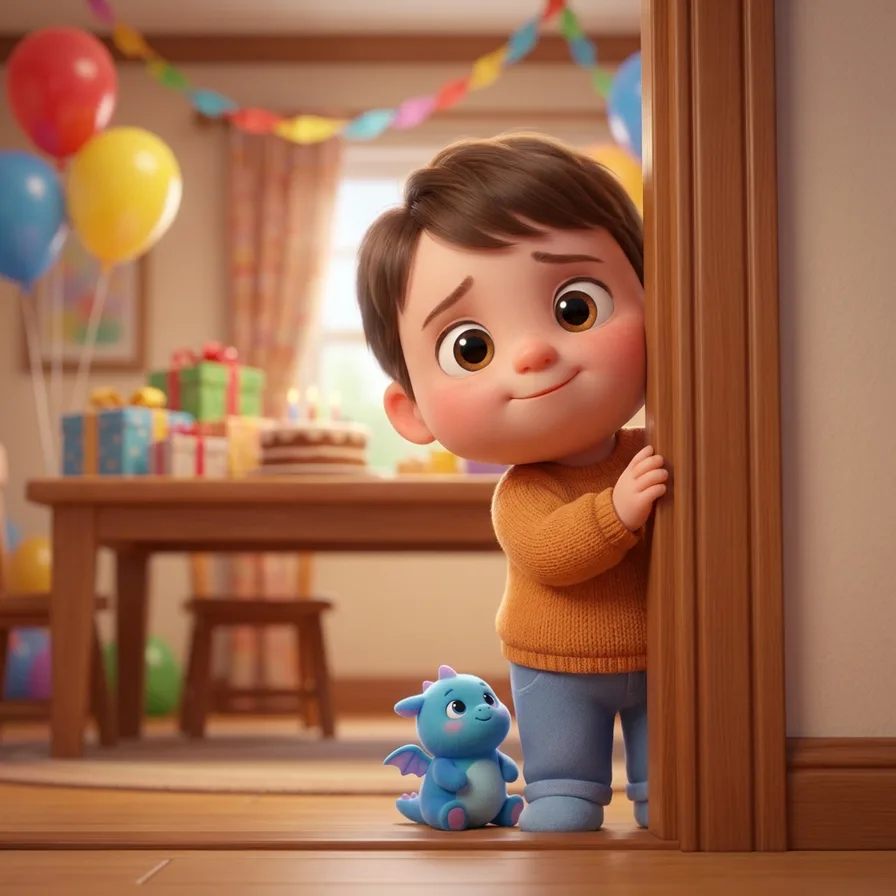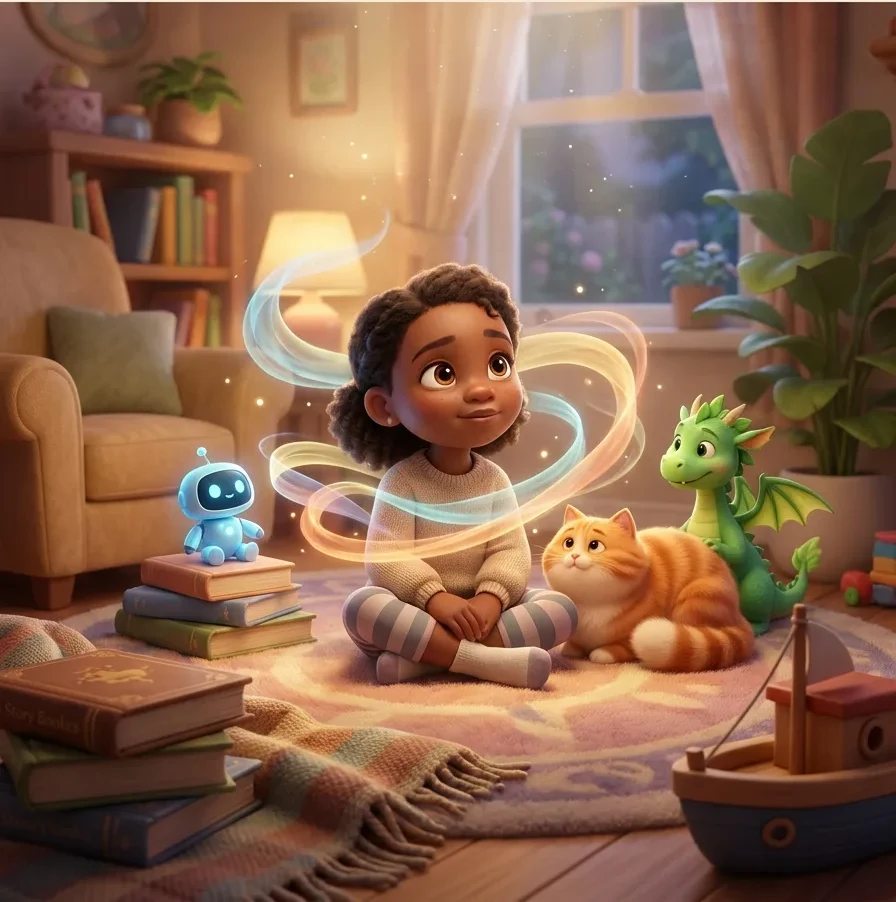
Sometimes your child's feelings feel too big to hold, and that is okay.
Ages 2-8
From $14.90
Why the glowing school report and the six o'clock meltdown are the same fact - and why it is not a verdict on your parenting.
You get a report saying your child is a delight, settled, no concerns. Then they walk through the door and the evening detonates. Most parents conclude one of two things: that the school is missing something, or that they themselves are the problem. There is a third explanation, it is well described in the autism literature, and it is the kindest of the three.
It is called masking, or camouflaging: consciously or unconsciously performing the behaviour expected of a non-autistic child. Controlling facial expressions, managing eye contact, holding still, suppressing the movements that would help them regulate, monitoring reactions to noise and light all day.
The National Autistic Society describes distressed behaviour as "often only expressed when it can't be held in any longer or when the individual feels safe enough". That is the whole mechanism in one sentence. School is where it is held; home is where it is safe enough to stop holding.
It costs enormously. One autistic person quoted by the NAS puts it as: "When I am masking the vast majority of my brain function is going to that masking." Six hours of that leaves nothing for the walk home.
The NAS is explicit that different behaviour at school and at home reflects masking rather than parental failure, and that professionals should avoid parent-blaming when they see that split. One professional quoted there puts it bluntly: masking "creates a dichotomy between home and school behaviours and leads to parent blame".
If you have sat in a meeting being told your child is fine here, and left wondering what you are doing wrong at home - that reaction is documented, it is common, and it is backwards. The collapse happens at home because home is the safe one.
Expect nothing of the first half hour. No questions about the day, no homework, no negotiations. The most useful thing you can offer is a period where nothing is required.
Ask nothing that needs a sentence. "Was it a good day?" is a demand for performance from someone who has just spent six hours performing. Sit near them instead.
Let the regulating behaviour happen. Movement, noise, the same programme again, the same food. What looks like regression is usually recovery.
Feed them early. A great many four o'clock collapses are also low blood sugar wearing a costume.
And say the thing out loud, once: "You held it together all day. You do not have to here."
The stories built around a big feeling arriving and passing, rather than around being talked out of it, are collected here. Take a look
A child who masks all day is a child whose difficulties are invisible to the people deciding what support they get. The NAS notes masking is a major barrier to being identified at all.
It is worth telling school what the evening looks like, in writing, without expecting them to have seen it themselves. You are not contradicting their observation - you are supplying the half they cannot see.
Nothing here needs a diagnosis attached to it. A child who is spending the school day holding themselves together deserves the accommodation whether or not anyone has written it down yet.
Sometimes your child's feelings feel too big to hold, and that is okay.
Ages 2-8
The party is loud and your child is not.
Ages 4-8
When the night light flickers out, your child discovers the dark is not empty at all - it is full of small, glowing, friendly things.
Ages 2-8
Your child lives one way, and someone who loves them lives a long way the other.
Ages 2-8
Usually not - they are describing what they see. A child who masks presents very differently at school from at home, and the National Autistic Society is explicit that this split reflects masking rather than a parenting problem. Both accounts are true at once.
Because you are the safe one. The NAS describes distress being expressed when it can no longer be held in, or when the person feels safe enough - which means the collapse happening in front of you is a statement about trust, not about your parenting.
That is not really a switch a parent can throw, and masking is sometimes protective. What you can do is make sure there is one place where nothing is required of them, so the cost is not being paid every waking hour.
The research on masking comes from autism. But an exhausted child who has been holding themselves together all day looks much the same whatever the reason, and nothing on this page requires a diagnosis to be useful.
This page draws on the National Autistic Society's guidance on masking, which cites the research literature on camouflaging and autistic burnout. Last checked on 11 August 2026. It is general information, not advice about your child, and it is not a diagnosis of anything.
Last updated:
If the evenings are hard, a story where they are already the hero is a gentle way to end one. That is what we make.
Browse the collection