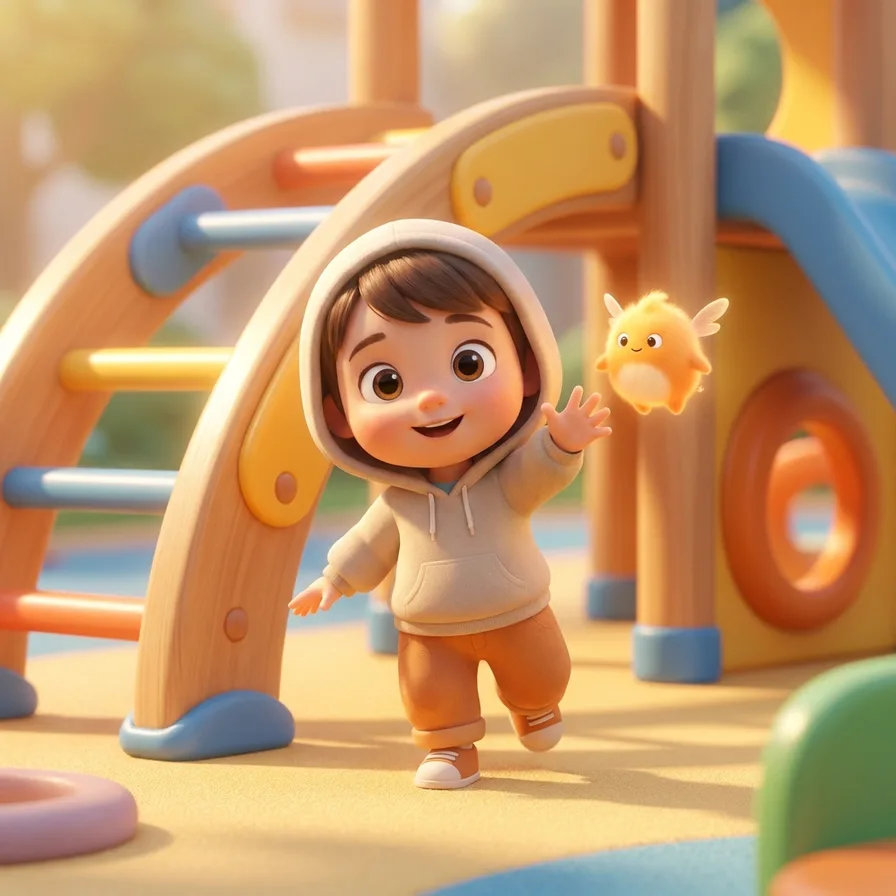
A new playground, nobody your child knows, and one small decision: be the one who says hello first.
Ages 4-8
From $14.90
What it means at four, at seven and at ten, what to say when they tell you, and the one question to stop asking at the school gate.
Most advice on this hands you a list of actions - join a club, arrange a playdate, role-play the conversation - which assumes the problem is a shortage of opportunity or skill. Sometimes it is. But the first thing that goes wrong in most families is not the friendships, it is that the child stops telling you about them, and that usually starts with a question asked with the best of intentions at three in the afternoon.
"Who did you play with today?" is the most natural question in the world and it is the one most likely to close the subject. The child is at their least resourced - hungry, depleted, still in the playground socially - and you have asked a direct question about the thing they feel worst about. Asked daily, it stops being a question and becomes a report card on their popularity, delivered to the person whose opinion matters most.
Ask later, sideways, and about somebody else. "Was anyone funny today?" "Did anyone get told off?" "Who is the kindest person in your class?" These get answered, because they are not about the child's standing, and the answers tell you nearly everything you were trying to find out - who they notice, who they avoid, where they sat.
And ask while doing something else. In the car, on a walk, at the side of a bath. Children disclose sideways, without eye contact, when the conversation can be abandoned without anybody losing face. A face-to-face question at the kitchen table is an interview.
Before deciding there is something to fix, work out whose distress you are solving. A great many children are entirely content with one reliable friend, and a parent - often one who was sociable at school, or who is watching a sociable sibling - reads that as a deficit. It usually is not.
The question to ask is not how many, but whether they are lonely. A child with one friend and no wish for more is fine. A child with no one to sit with at lunch and who minds about it is not, and the difference is not visible from the playground fence or from the class WhatsApp group.
The second question is whether it is stable. Friendships in the first years of school are proximity-based and turn over constantly - best friends on Monday, not speaking on Thursday, reunited by half-term. That churn is normal and not evidence of anything.
The stories on this site that put a child into a friendship they have to navigate themselves are gathered here, if a book is the right tool this week. Take a look
At four and five, most of what looks like friendship is proximity. They play alongside each other more than with each other, and "my friend" often means "the person who was there". A child with no named friend at this age is very often simply a child who has not been asked the right question.
By six to eight, groups form, and with them the first real exclusions - who is allowed to play, who is being kept out this week. This is where most parents first notice something, and it is also the age where the child becomes aware enough to be ashamed of it, which is exactly when they stop volunteering information.
From about nine, friendships become hierarchical and much more stable, which cuts both ways: a child who has found their people is usually settled, and a child who has not finds it harder to break in, because the groups have closed. This is the age at which a move of school is worth considering as a real option rather than a defeat.
Do not fix it in the first sentence. The instinct - "why don't you ask Ellie to play?" - reads to a child as the subject being closed and as a suggestion that they have not thought of the obvious. Say the boring thing first: "That sounds rubbish." Then stop talking. Most of what you need comes out in the silence after it.
Do not tell them it is because the other children are jealous, or that the others are stupid. It is not usually true, they know it is not, and it teaches them that telling you produces a comforting fiction rather than help.
Do say that it changes, because it does, and give the evidence rather than the promise: somebody they know now who they did not know last year. And say the sentence that most children in this position are waiting for, which is that there is nothing wrong with them. Say it plainly and only once. Repeated, it starts to sound like a thing you are trying to convince yourself of.
It cannot make your child friends. Anybody selling you a book on that basis, ourselves included, is selling you something else. No book has ever got a seven-year-old included in a game.
What it can do is two specific things. It gives the child words for the feeling - a character who is on the edge of a group is a way of naming something they have felt and could not describe, and children reliably discuss a character's problem long before they will discuss their own. Second, it gives you a way in that is not a question. Reading about it together, and talking about the character rather than about them, is the least confronting conversation available on this subject.
And the one thing a personalised book does differently: the child is the one in the story. That cuts both ways and is worth thinking about honestly. For a child who is quietly lonely, seeing themselves manage a first conversation can be a rehearsal. For a child who is being actively excluded and is raw about it, a book in which they are the hero of a friendship can read as a rebuke. You know which one you have; if you are not sure, an ordinary story about somebody else is the safer choice this month.
If the worry is about how a sibling is affected by all of this, that is a different problem and it has its own guide. Take a look
Some of what arrives dressed as "no friends" is something else, and it is worth being direct about which. If your child is being deliberately excluded, followed, or talked about by a group, that is bullying and it is the school's job, not a social-skills problem for your child to solve. Ask the school for their anti-bullying policy in writing and put your concern in an email so that there is a record with a date on it.
If they are distressed about going in, complaining of stomach aches on school mornings, or their sleep or eating has changed, treat that as the presenting problem and speak to the GP as well as the school.
And if the difficulty is consistent across every setting - not just school, but clubs, family gatherings, the park - and has been for a long time, it is worth a conversation with the class teacher or the SENCO about whether anything else is going on. Asking that question early costs nothing and is not a diagnosis.
In the UK, the YoungMinds Parents Helpline is free and is for you rather than for your child - 0808 802 5544, weekdays. It is the right call when you are worried and not sure whether you should be.
Childline is the other way round: it is for the child to contact themselves, free, on 0800 1111, for anyone under 19 in the UK. Telling an eight-year-old that a line exists which is theirs and not yours is a reasonable thing to do and does not mean you have been replaced.
Wherever you are, the first and most useful call is the class teacher, who can see the thing you cannot: what actually happens at lunchtime. Ask specifically - "who does she sit with, and who does she play with at break" - rather than "is she all right", which gets you "she is fine" every time.
A new playground, nobody your child knows, and one small decision: be the one who says hello first.
Ages 4-8
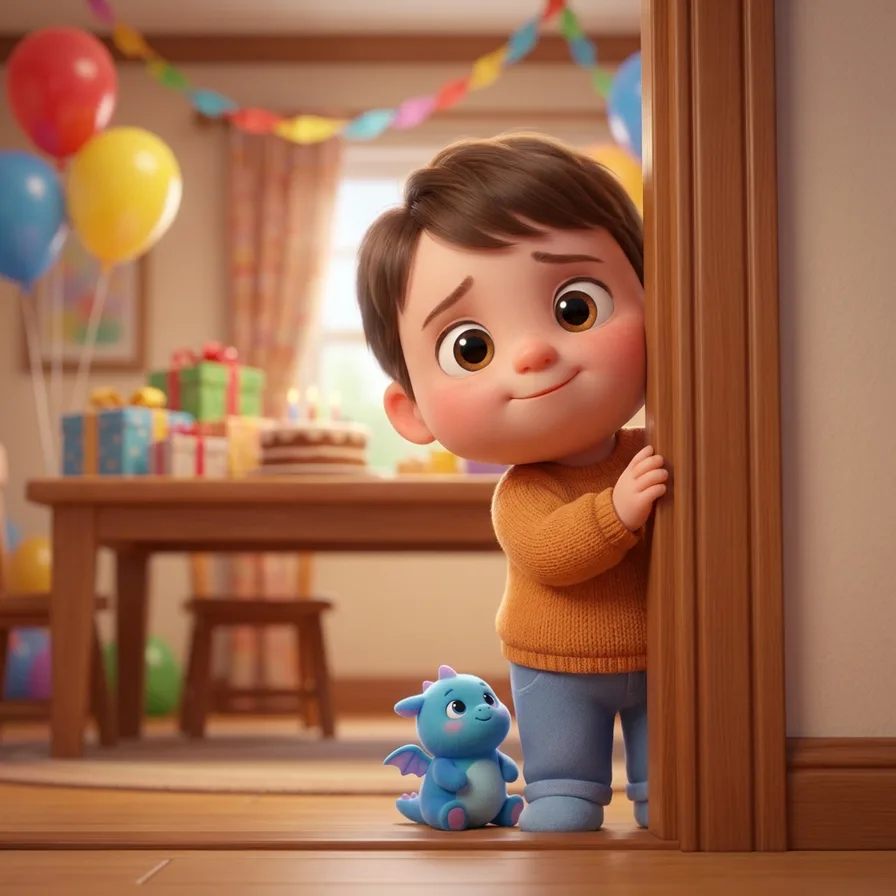
The party is loud and your child is not.
Ages 4-8
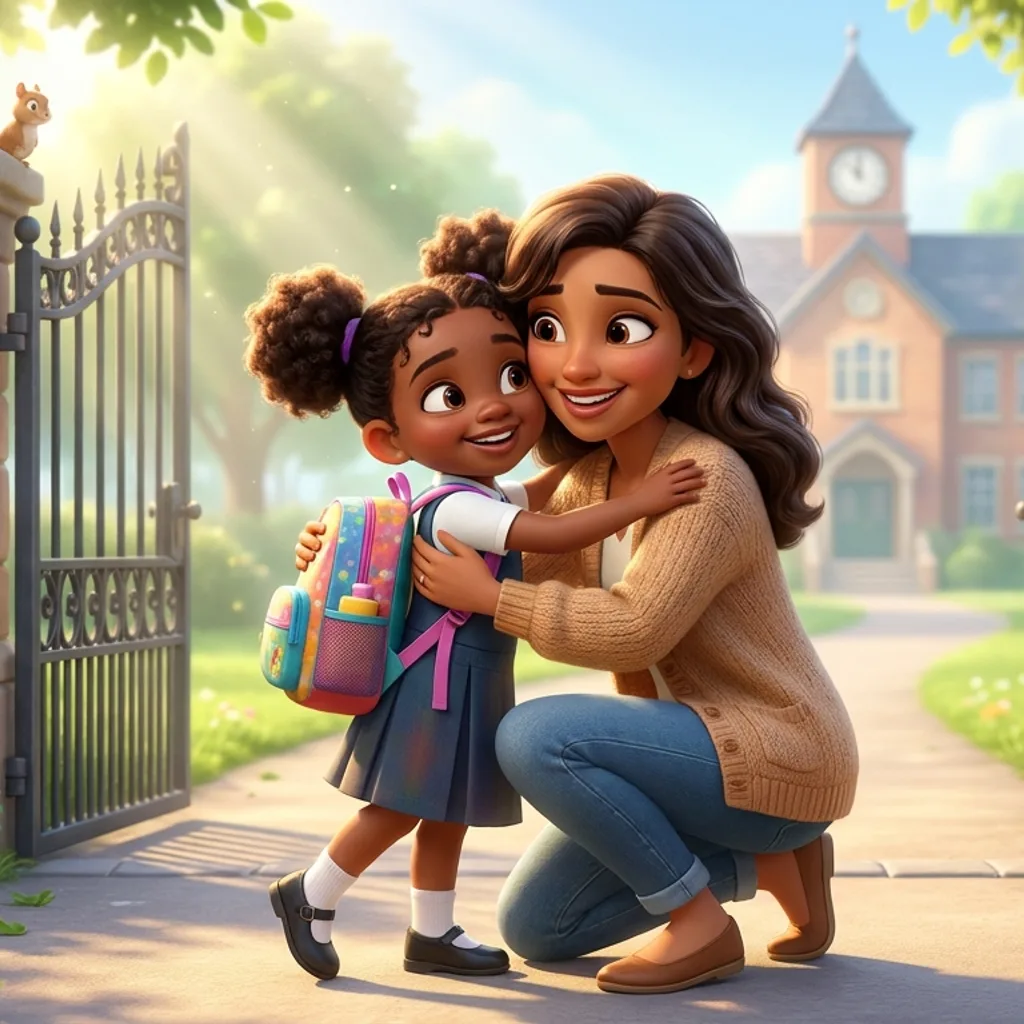
New shoes, a packed bag, and a gate that has to be walked through alone.
Ages 2-6
A warm-hearted story where your child discovers that the smallest acts of kindness can light up the whole world around them..
Ages 2-8
A rope swing, a dare, and a summer that neither of them will forget.
Ages 4-8
Ask whether they are lonely rather than counting friends. A child with one reliable friend and no wish for more is fine; a child with nobody to sit with who minds about it is not. In the first years of school friendships also turn over constantly, so a bad week is not evidence of a pattern.
"Who did you play with today?" at the school gate. It is asked at the moment the child is least able to answer it, about the thing they feel worst about, and daily repetition turns it into a report card on their popularity. Ask later, sideways, and about somebody else - "was anyone funny today?" gets answered.
Say "that sounds rubbish", and then stop talking. Do not solve it in the first sentence and do not tell them the others are jealous - they know that is not true, and it teaches them that telling you produces comfort rather than help.
Not with making friends - no book has ever got a seven-year-old included in a game. It can give them words for the feeling, because children will discuss a character's problem long before their own, and it gives you a way to raise it that is not a question. That is the whole of what it does.
If your child is being deliberately excluded or talked about by a group, that is bullying and it is the school's responsibility - ask for the anti-bullying policy in writing and email your concern so there is a dated record. If they are distressed about going in, or their sleep or eating has changed, speak to the GP as well.
In the UK, the YoungMinds Parents Helpline on 0808 802 5544 is free and is for parents rather than children. Childline, 0800 1111, is the child's own line for under-19s. The class teacher is the first call wherever you are - they can see what happens at lunchtime, which you cannot.
This guide was last checked on 16 September 2026. The helplines named are UK services and were verified against their own websites on that date; if you are outside the UK, your child's school remains the first and best call.
Last updated:
Ask the teacher who she sits with and who she plays with at break, rather than whether she is all right. The second question gets you "she is fine" every time.
Browse the collection