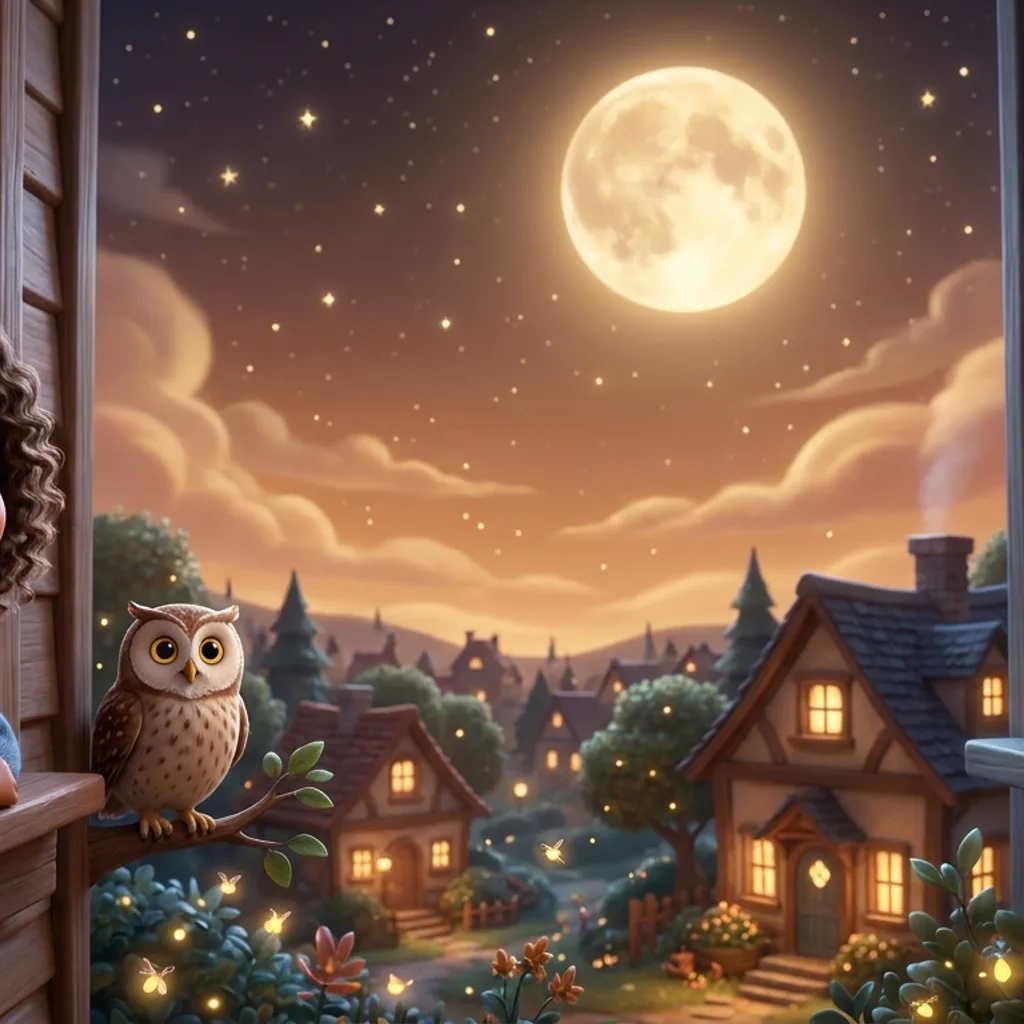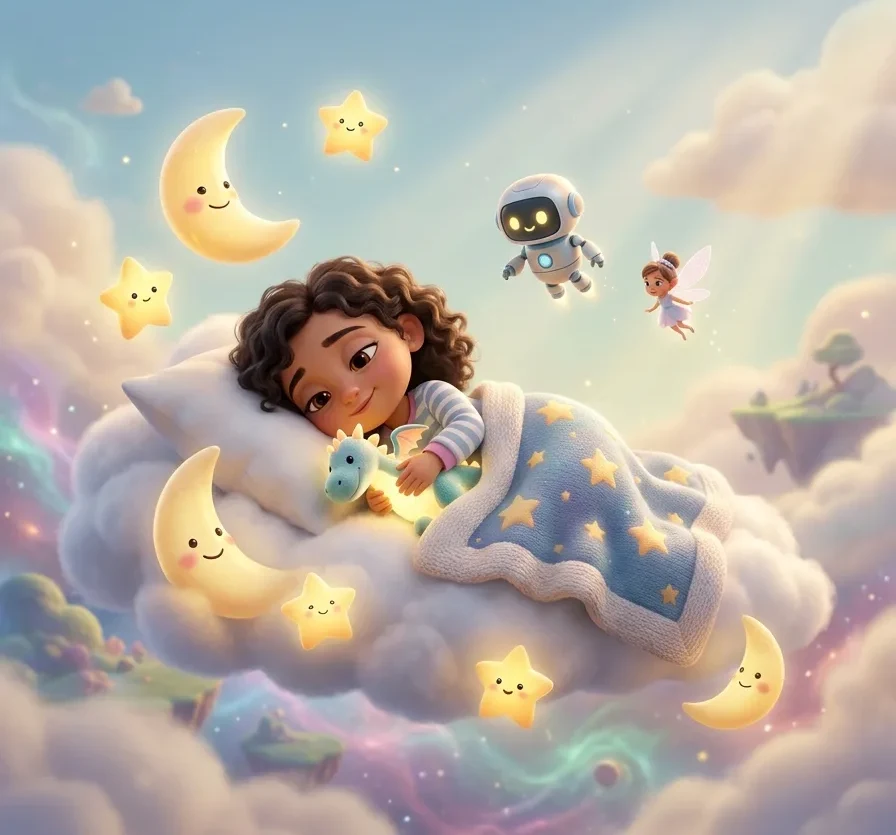
A slow, cozy journey to dreamland where your child says goodnight to the whole wide world.
Ages 0-6
From $14.90
What a baby gets from books at birth, at three months and at six - and why the parent who has not started yet is usually further along than they think.
Search for this and the first answer you will meet is "it is never too early", which is true in the way that is least useful to somebody running on three hours of sleep. It turns a nice thing to do into another thing you have fallen behind on. So here is the version with the guilt taken out, and it happens to be the more accurate one.
Penguin's own guidance for parents puts the best age to start reading books to a baby at three to six months, or once they can focus on something like a mirror or a toy. Not at birth. Not in the first week. If your baby is under three months and you have not opened a book with them, you are, by that measure, early.
And the thing a book does at that age is mostly done by you already. In the first weeks a baby responds to movement and focuses on your face. Talking to them while you change them, narrating the walk, singing badly in the car - that is the same material a book provides, delivered in the format they can actually take in.
So the honest answer to "when should I start" is: whenever it is pleasant for both of you. A book forced into a day that is already too full does less than a conversation that happens anyway.
Once they are older and demanding the same book every single night, that turns out to be one of the most useful things a child can do - and it has its own guide. Take a look
A newborn's eyesight is limited, which is why the HSE recommends high-contrast black and white books for this stage - large, single images, one to a page, that a baby can actually make out. A picture book full of soft pastel detail is, at this age, mostly a blur.
The more useful object is still you. Hold the book close, but understand that at this stage they are as interested in your face and your voice as in anything on the page. If they turn away, that is the end of the session, and a session of forty seconds counts.
The HSE makes one point worth underlining: while a baby is not yet moving around, you have a captive audience for reading aloud. It is the one period in their life when you can read whatever you like to them - the book you are reading yourself, the news, a recipe. They are listening to the rhythm, not the subject.
The sign to watch for is the one Penguin names: the baby can focus on an object, like their own reflection or a toy held in front of them. That is when a picture begins to be something they look at rather than past.
This is the age for books with photographs of real faces and everyday things. The HSE recommends photographs of early objects and people specifically because they help a baby connect what is on the page with the world around them. A picture of a face they know does that job better than a cartoon of one they do not.
Keep the sessions short and let the baby set the length. A good book at this age is one they reach for, not one they sit through.
By around six months, the HSE says, babies begin exploring, and books become one of the best toys they have. In practice exploring means grabbing, turning, shaking and chewing, and every one of those is a baby learning what a book is.
This is why board books exist. Thick pages survive teeth and let small hands turn a page without tearing it, which is a real milestone in its own right. Books with textures to touch or sounds to find earn their keep here too.
Do not rescue the book every time it goes in their mouth. A book that has been chewed is a book that has been used.
What actually makes a board book a board book, and why the thickness matters, is explained here. Take a look
Most parents assume reading to a baby means reading the text, start to finish, in order. It does not. The HSE is explicit that you might look at just one page or the whole book, and that a baby may need time to explore a page and decide what they are interested in.
So point and name instead. "Dog. That is a dog. Big dog." is a complete reading of a page for a nine-month-old, and a better one than the printed sentence, because it is aimed at them. Follow where they look rather than where the story goes.
And leave pauses. The HSE calls it watching and waiting: give the baby a moment to look, reach or make a sound before you move on. The gaps are where the conversation happens.
From birth: high-contrast black and white, one large image per page. Sturdy, close up, short.
From about three months: photographs of faces and familiar objects, bright colours, and short, simple sentences - the HSE lists all four. Faces the baby recognises are worth more than faces they do not.
From about six months: board books, textures, flaps, anything that survives being explored with the mouth.
A long illustrated story - including a personalised one like ours - is not a book a baby follows, and it is honest to say so. It is read TO them, for the sound, and kept for the years when the story starts to matter. That is a perfectly good reason to give one, but it is a different job from the books above.
If you are choosing a book to give a new baby rather than to read today, the guide to new-baby gifts is honest about which ones get read in the first year and which get kept for later. Take a look
In England, Wales and Northern Ireland, BookTrust runs Bookstart, which gives families books and resources for reading with young children, including Bookstart Baby, which is gifted to every baby. If you have not had yours, ask your health visitor or your local library.
Libraries are the other answer, and the HSE points to them too, along with charity shops, for books and baby events. Baby rhyme sessions at a library are free, warm, and full of other people who are also running on three hours of sleep - which, for a first-time parent, is sometimes the more useful part.
A slow, cozy journey to dreamland where your child says goodnight to the whole wide world.
Ages 0-6
Your child lives one way, and someone who loves them lives a long way the other.
Ages 2-8
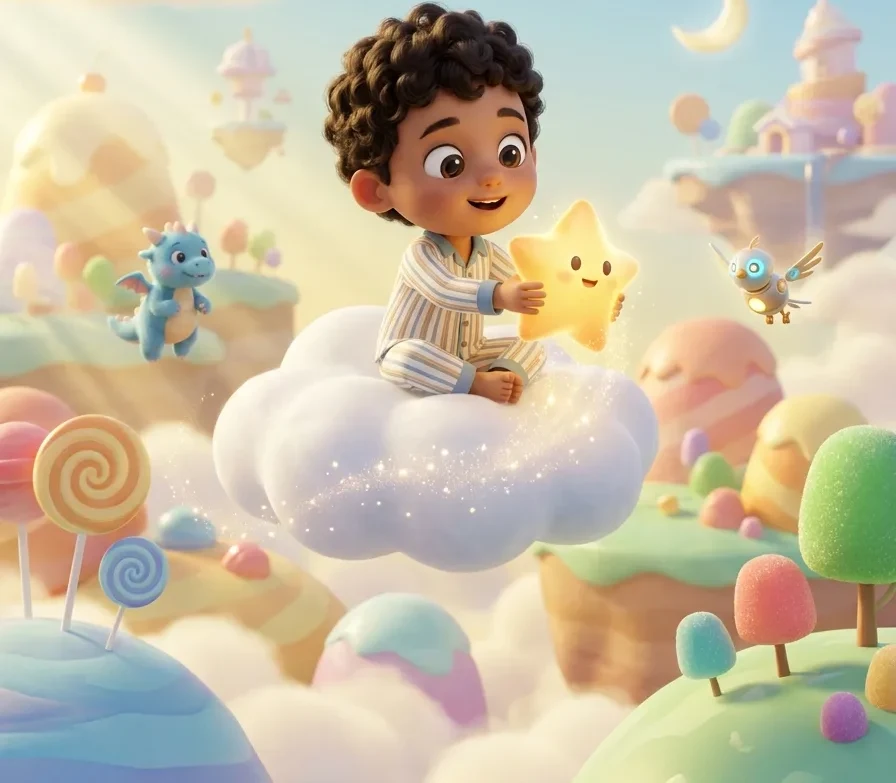
The moment your child falls asleep, a whole world of dreams swings open.
Ages 2-6
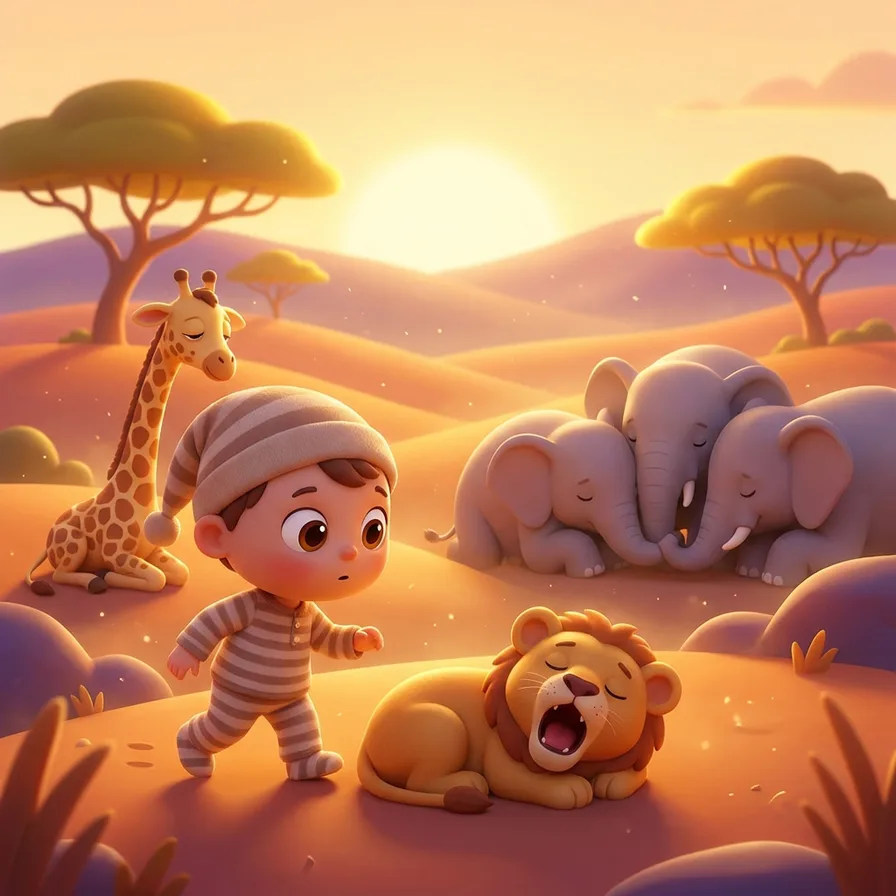
One by one, every animal on the warm golden plain settles down to sleep - and so, at the very end, does your child.
Ages 0-4
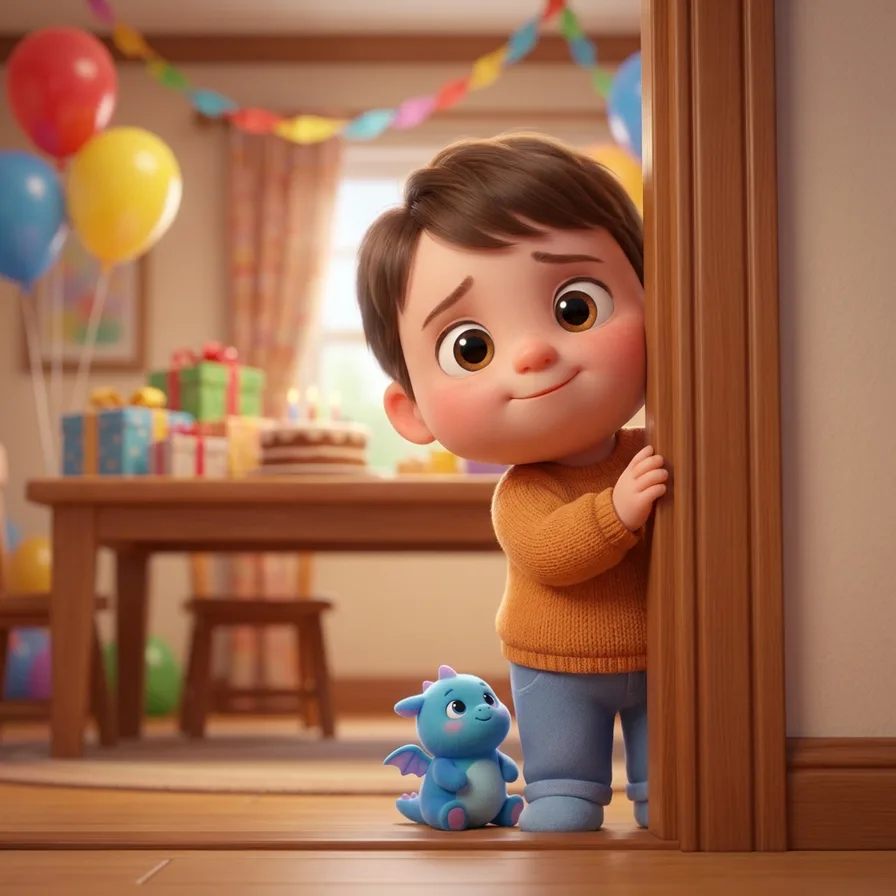
The party is loud and your child is not.
Ages 4-8
Penguin's guidance puts the best time to start reading books at three to six months, or once your baby can focus on something like a mirror or a toy. Before that, talking to them and letting them watch your face does much of the same work. Start whenever it is pleasant for both of you.
No. By the most common guidance you are right at the beginning of the window, not past it, and a baby who has been talked to and held has not been missing anything a book would have given them.
Yes, and you can read them anything - they are listening to the rhythm of your voice rather than the story. If you want a book they can see, the HSE recommends high-contrast black and white ones, because a newborn's eyesight is limited.
High-contrast black and white from birth; photographs of faces and familiar objects, bright colours and short sentences from about three months; and board books that survive being chewed from about six months.
No. The HSE says you might look at one page or the whole book. Pointing at a picture and naming it - "dog, big dog" - is a complete and better reading of a page for a baby than the printed sentence.
In England, Wales and Northern Ireland, BookTrust's Bookstart programme gifts books to babies - ask your health visitor or library if you have not had yours. Libraries also run free baby rhyme sessions.
This guide was last checked on 16 September 2026. The developmental points are taken from Penguin UK's guidance for parents and the HSE's page on sharing books with babies; the Bookstart details are from BookTrust's own site. Each was read on that date.
Last updated:
Start when it is pleasant, stop when they turn away, and name what they point at. At this age that is the whole method.
Browse the collection