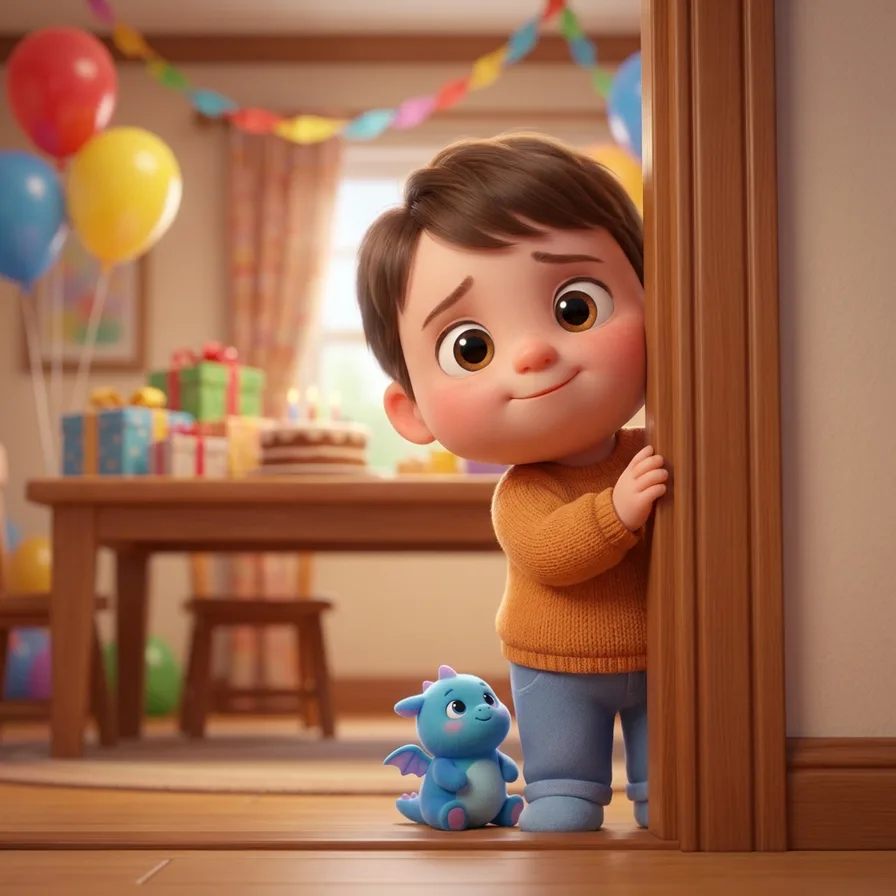
The party is loud and your child is not.
Ages 4-8
From $14.90
Cover finish, paper weight and the noise a page makes decide whether a book gets opened - and almost no listing mentions any of them.
For a child who finds the world loud, bright or scratchy, a book is an object before it is a story. A glossy cover under a ceiling light, a page that crackles, a stiff new spine that snaps - any of those can end it before the first line, and none of them appear in a product description. This page is about the physical thing, because that is the part that decides whether the story ever gets a turn.
A gloss-laminated cover is a mirror. Under a ceiling light or a classroom strip light it throws a bright patch across the artwork that moves as the book moves, and a child who is sensitive to visual glare has to work around it constantly. Matt lamination scatters that light instead of bouncing it.
It is the easiest thing to check and the hardest to find written down. If a listing does not say, a photograph of the cover taken at an angle usually gives it away - gloss shows a hard white highlight, matt does not. For what it is worth, ours are matt-laminated, which is a decision about how the book photographs and reads rather than anything we set out to do for sensory reasons.
Thin paper is loud. It crackles when it bends, it flexes as a page is turned, and it creates the fluttering sound that a child with sound sensitivity will notice long before an adult does. Heavier stock turns quietly and predictably, and it stays where it is put.
Weight is quoted in gsm and is worth looking for: ours is 170 gsm coated silk, which is roughly double a typical magazine page. Board books are heavier again and are the quietest of all, which is part of why they keep working for children well past the age the format was designed for. There is nothing babyish about preferring a page that does not rustle.
A hardcover gives a firm, predictable page turn and lies flat, which suits a child who wants the object to behave the same way every time. It is also heavier, and a heavy square book held in two hands on a lap is a lot for a small child.
A softcover is lighter and more forgiving to hold, and its pages bend rather than resist. It also creases, which for some children is the problem - a book that starts looking damaged is a book that starts causing distress. There is no general answer here; there is only which of those two failure modes matters more for your child.
That choice turns out to hinge on who will be holding the book in three years rather than on price, which is worth thinking through separately. Take a look
Smell. A freshly printed book has a strong ink-and-coating smell for the first days, and some children object to it far more than adults expect. It fades. If a book is for an occasion, unwrap it a week early and leave it somewhere open, which costs nothing and removes a whole category of refusal.
Novelty finishes. Foil, glitter, embossing, spot-gloss and textured panels are added to catch a browsing adult's eye and are exactly the surfaces a touch-sensitive child flinches from. The same goes for sound modules, which cannot be turned off and are startling by design.
Ribbon markers, cut-outs and flaps are worth a thought too - not because they are bad, but because they are extra things to have an opinion about, and every one of them is another chance for the book to become the problem.
It does not change how a child processes sensory information, and nothing on this page should be read as saying otherwise. There is no such thing as a book that helps with sensory processing, and a company selling you one is selling you something.
All of the above changes one much smaller thing: whether the object in your hands is tolerable enough to open. That is a low bar and it is also the bar that most books fail at for these children, which is why it is worth the five minutes.
Where the hard thing is not a book at all but a room your child has to sit in on a date somebody else chose, what helps is a rehearsal rather than a purchase - and the three-night plan for a first dentist appointment is free to use whether or not you ever buy anything from us. Take a look
Format is only half of it. If a child will pick a book up and then not stay with it, that is a different problem with different answers - interest rather than length, hi-lo titles where the reading age and the interest age have come apart, audiobooks and graphic novels - and it has its own guide on this site rather than a paragraph here.
The party is loud and your child is not.
Ages 4-8
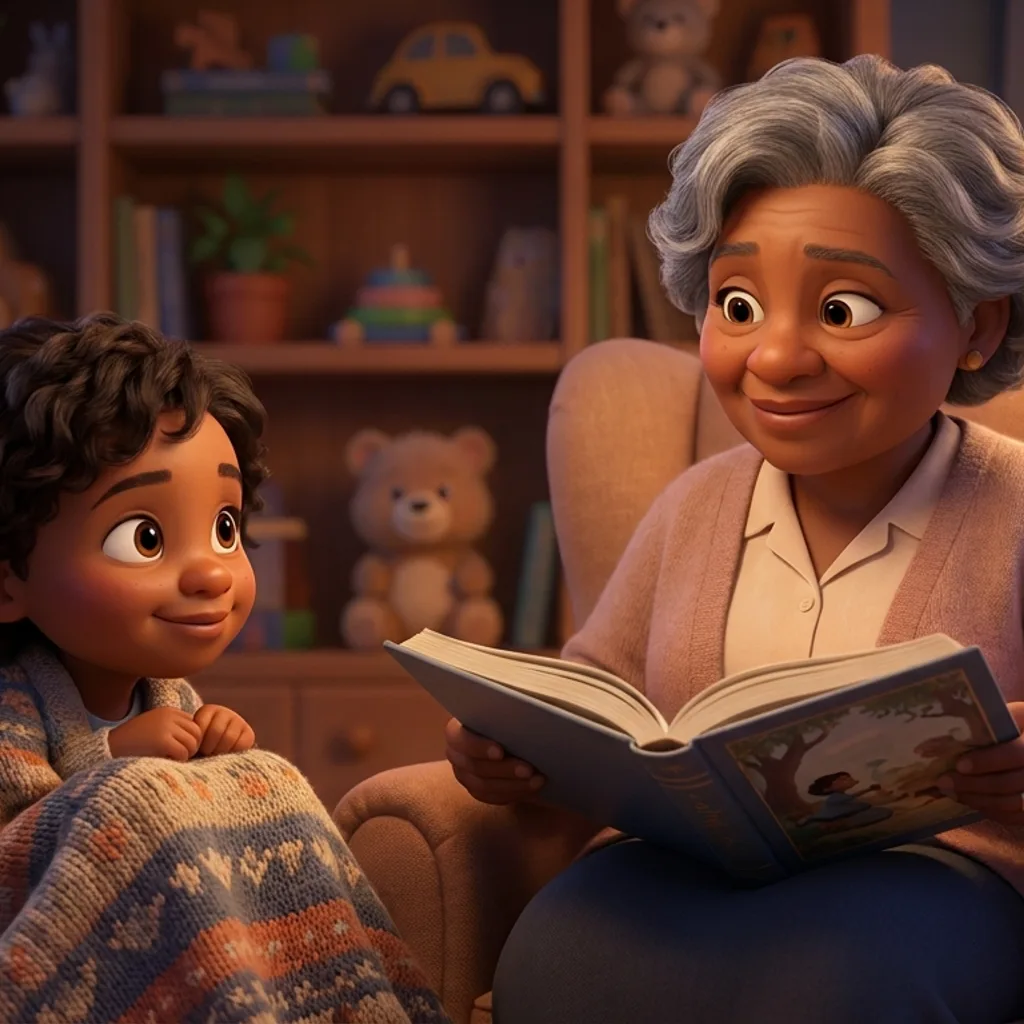
There is one chair, one blanket, and one voice that makes the dark feel smaller.
Ages 0-6
Your child plants one tiny seed and learns the quiet magic of patience.
Ages 2-8
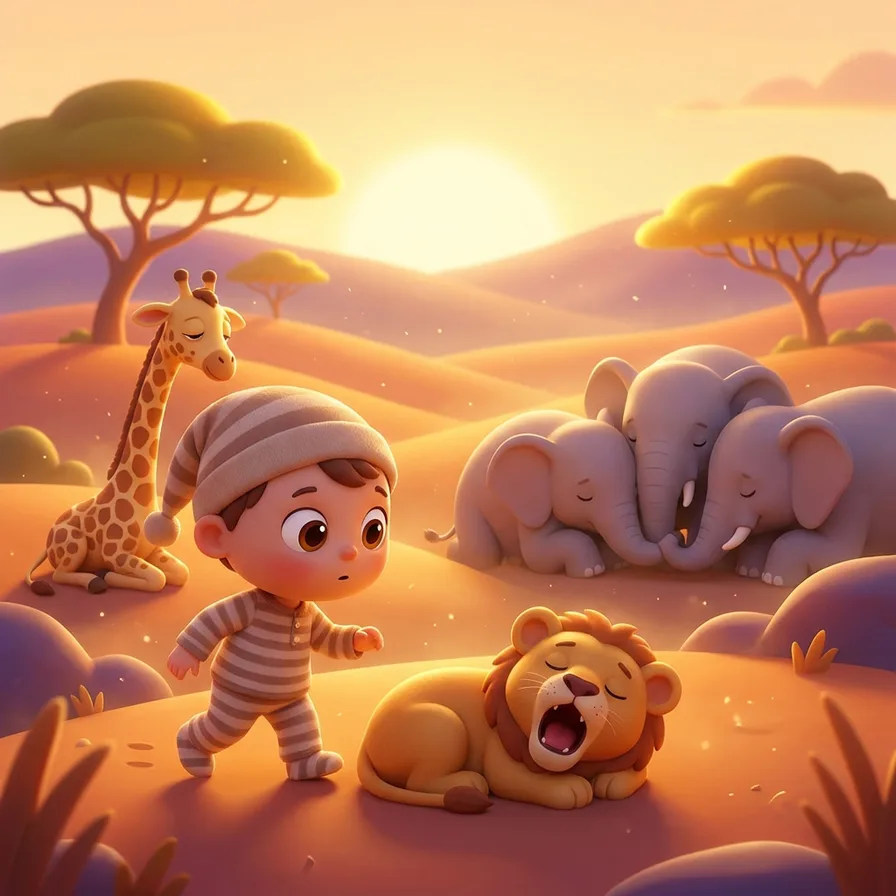
One by one, every animal on the warm golden plain settles down to sleep - and so, at the very end, does your child.
Ages 0-4
Mostly physical things nobody lists: a matt rather than gloss cover so it does not throw glare, heavy paper so the pages do not crackle, and no foil, glitter, embossing or sound modules. Weight and format matter too, but which way depends on the child.
There is no general answer. Hardcover turns predictably and lies flat but is heavy; softcover is light and forgiving but creases, and a book that starts looking damaged distresses some children more than any amount of weight. Pick the failure mode that matters least for your child.
Not at all, and it fades within days. Unwrap it early and leave it out somewhere open rather than sealed in a bag, and by the time it is given the smell has largely gone.
No, and we would rather say so plainly. A book is not a therapy or an intervention. What the choices on this page change is whether a book is comfortable enough to hold and open, which is a smaller and more ordinary thing.
The printed edition is 8 by 8 inches, 28 interior pages on 170 gsm coated silk paper, with a matt-laminated cover - roughly double the paper weight of a magazine page, so pages turn quietly and the artwork does not show through. There is a digital edition too, which sidesteps the physical question entirely.
Last checked on 12 August 2026. This is general information about the physical properties of books, written by a company that prints them - it is not advice about your child, and it is not occupational therapy. For sensory processing itself, your GP, health visitor or a paediatric occupational therapist are the people to ask.
Last updated:
If a screen is easier than paper on a given week, the digital edition is the same story without any of the above.
Browse the collection